by Pete Barba
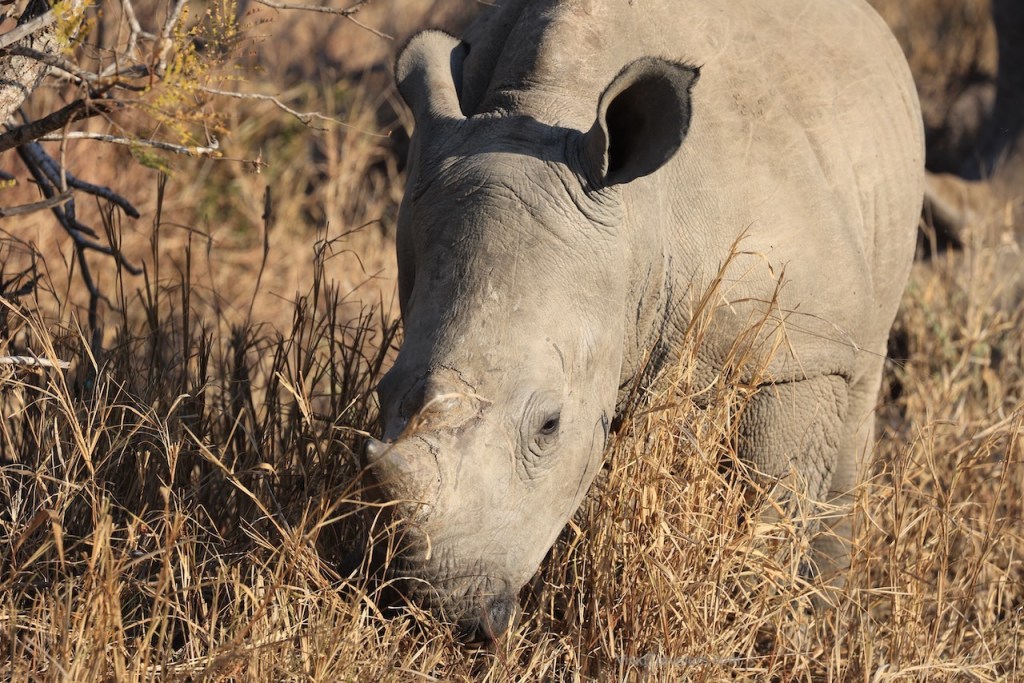
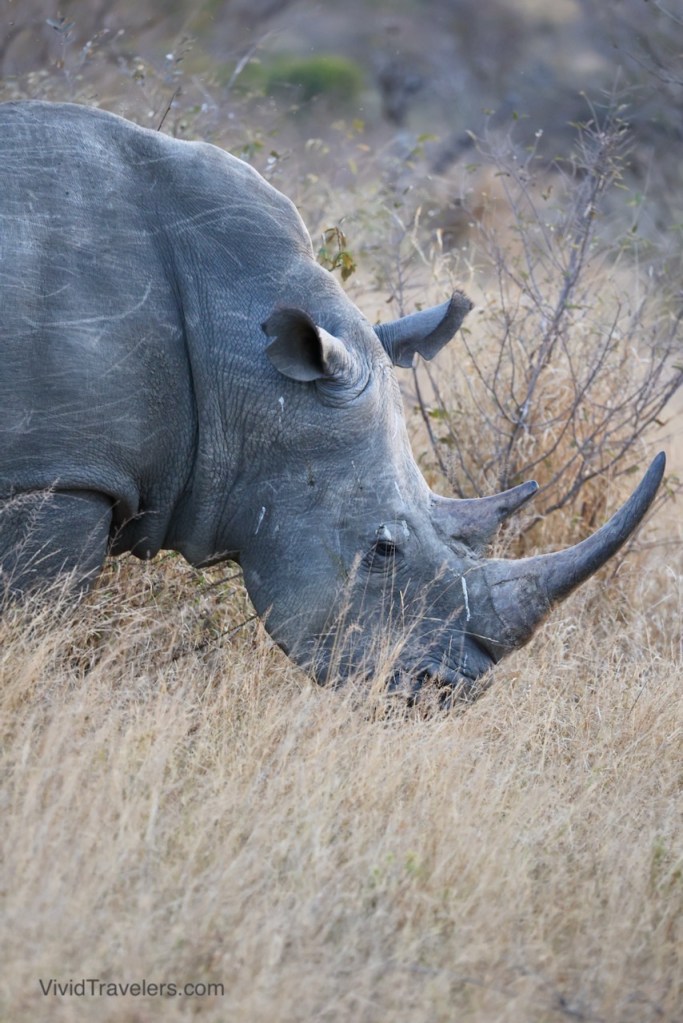
“The rhinos will all be gone in 5 years” says the founder of Umlani, our safari camp. Their horn is thought to have medicinal properties in East Asia, and even though trade is illegal, poaching remains a massive problem. One horn alone will fetch $250,000 on the black market. My family and I were lucky, we saw rhinos both in Botswana and South Africa. My grandchildren won’t have that privilege. Just this past summer, the head warden in the conservation park we stayed in had been murdered in his home by poachers.

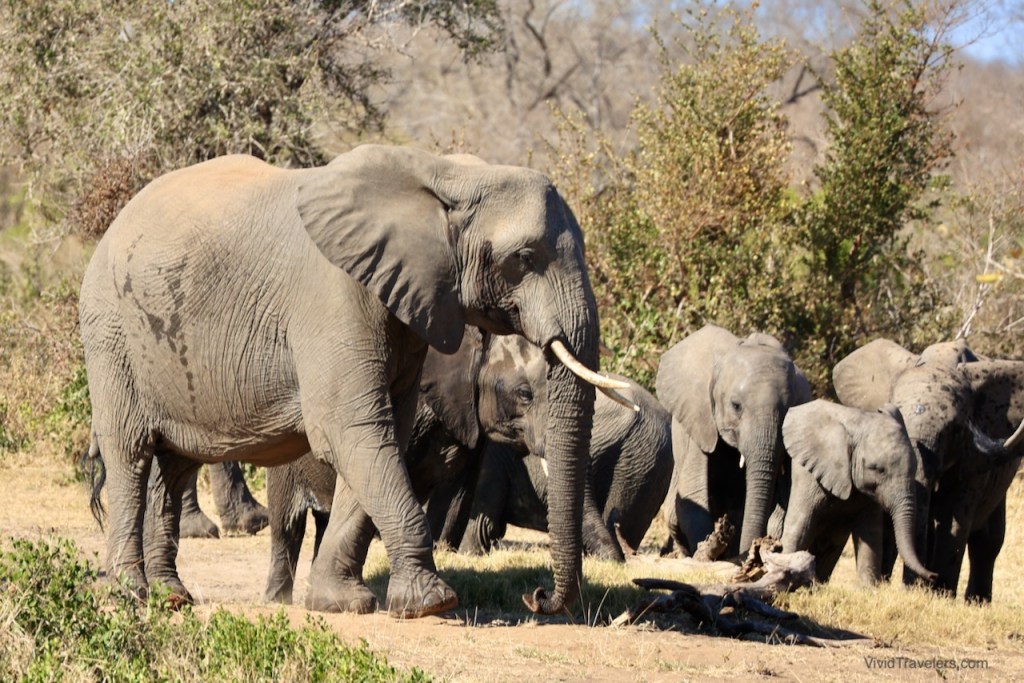
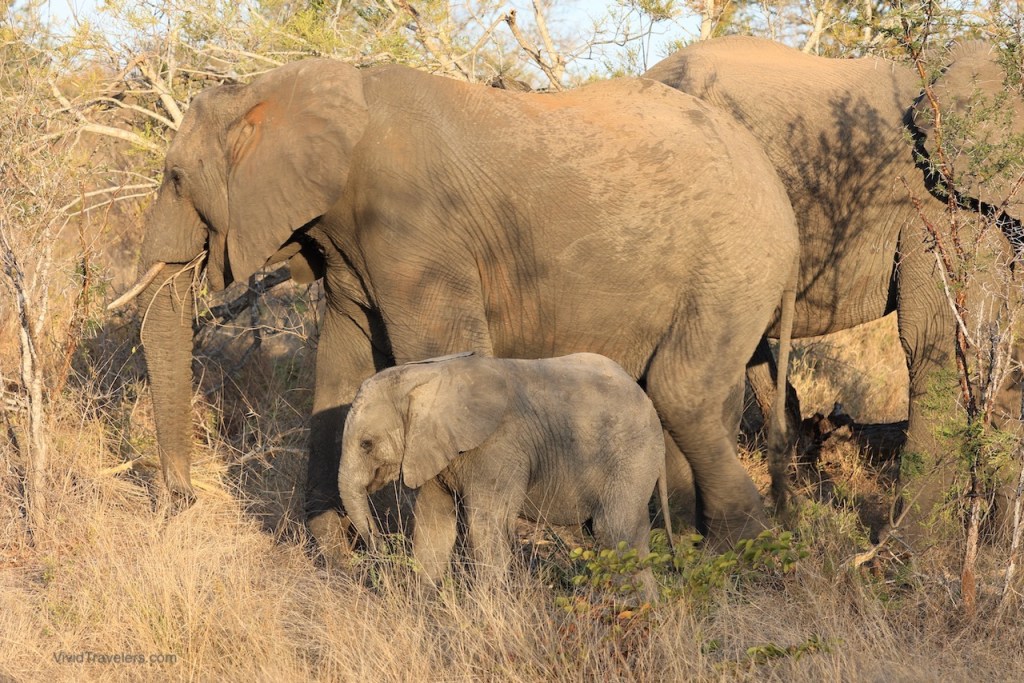
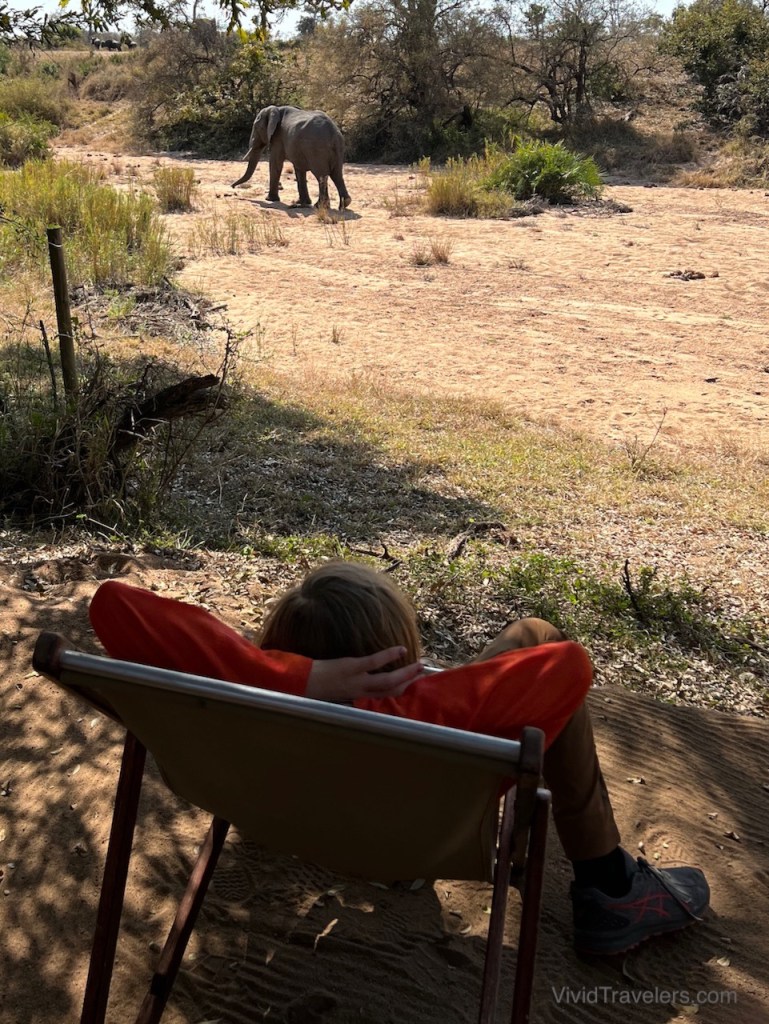
Elephants, my favorite animal, have also been decimated over the past 40 years, from 2-3 million animals in 1980 to less than 500 thousand animals in 2016. Their meat will feed a village for a month, their ivory will fetch hundreds of thousands of dollars on the black market, and their range is being limited due to human population growth.
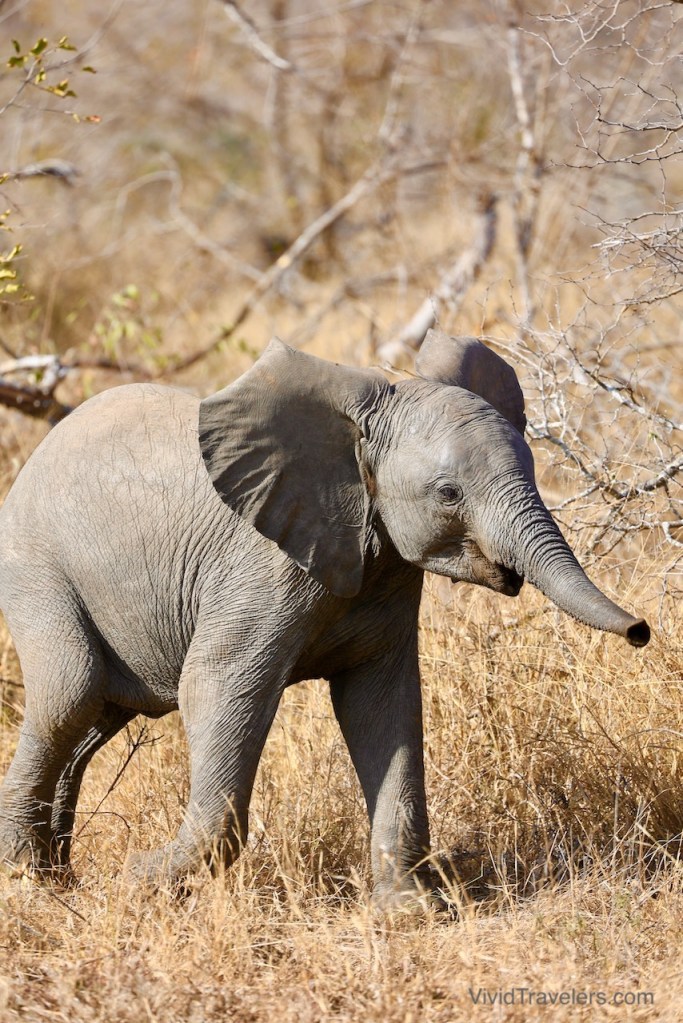
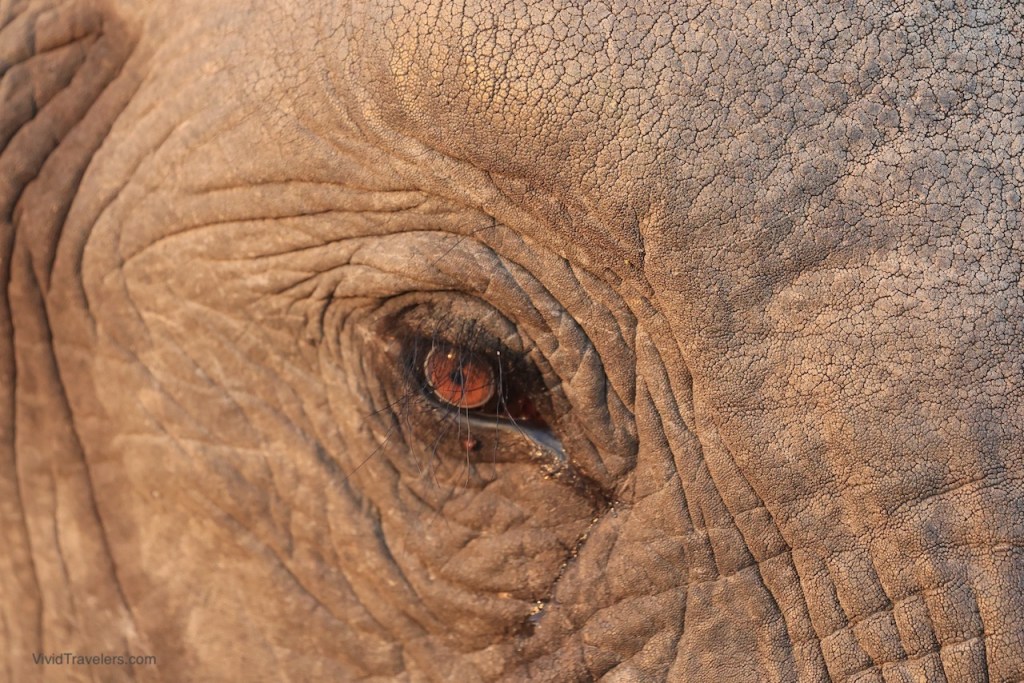
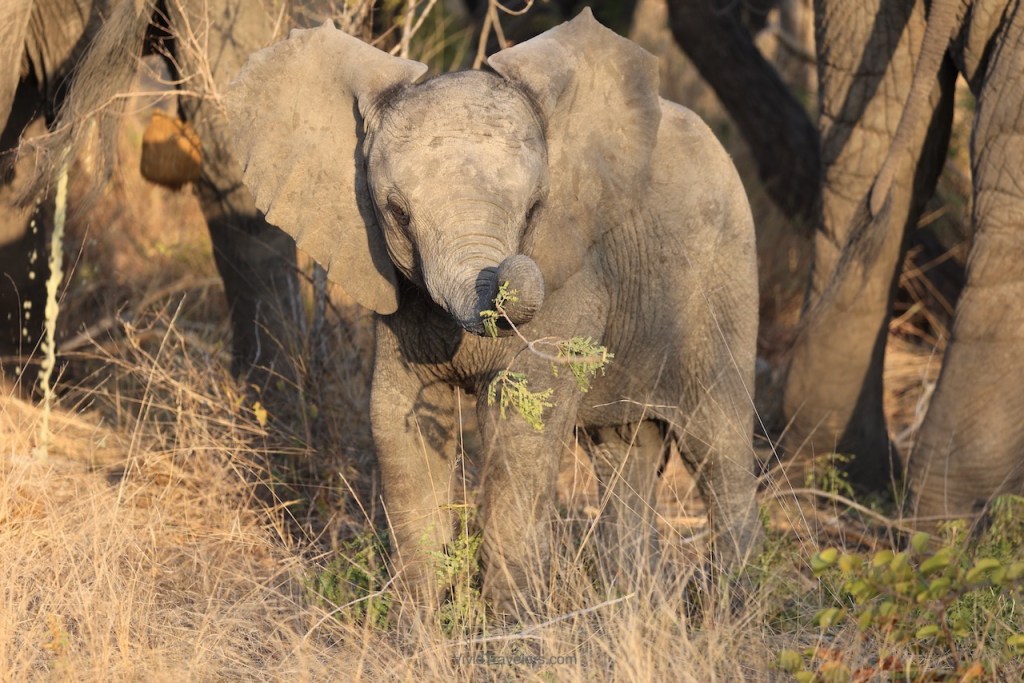
When I started our adventures, I read the book, Eye of the Elephant, by Mark Owens, which discusses the challenges of poaching and conservation in Africa. To put it simply, it’s complex. Imagine, you’re a young man with a family. You live in poverty, in a land you know well. Your family often doesn’t have food on the table, if you even have a table. You can’t afford clothes or a house. There is no escape to your situation. Then one day, someone offers you more money than you have ever imagined, to show them where the elephants or rhinos are. You know this land like the back of your hand, you know these animals, and you don’t have enough education to know that these creatures are being hunted to extinction. You balance the equation in your head, feed your family and earn enough money to escape your situation by helping someone kill a wild animal, or say no and watch your family starve.

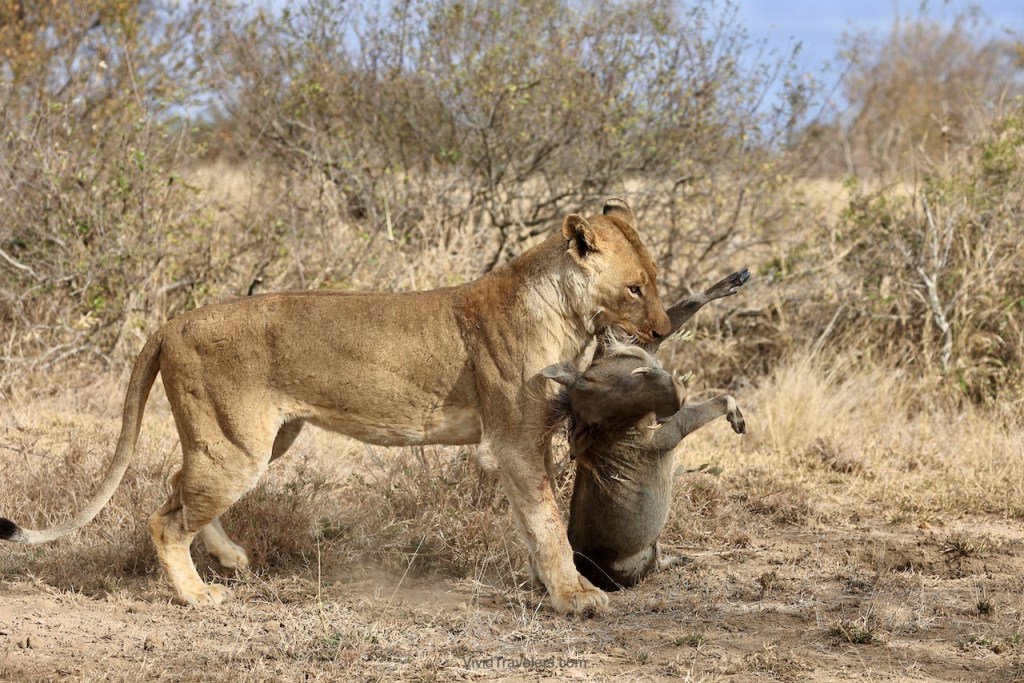

I’m not trying to create sympathy for those who poach or help poachers, but rather trying to point out the challenges of stopping poachers. You can arrest the poor young men who help the poachers, but until the head poachers and traders, who literally have armies and governments under their control, are brought to justice, the poaching will continue. The clock is ticking and it doesn’t look good for rhinos and maybe elephants. The surprising solution may be tourism, which provides a different source of income and a reason to protect the land and wildlife.
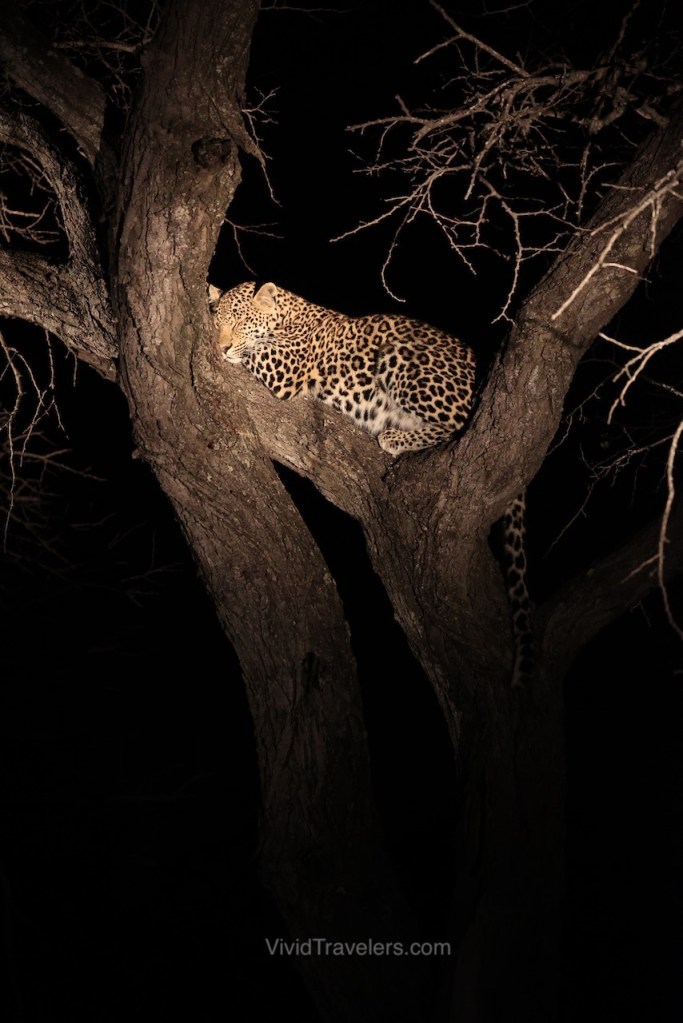
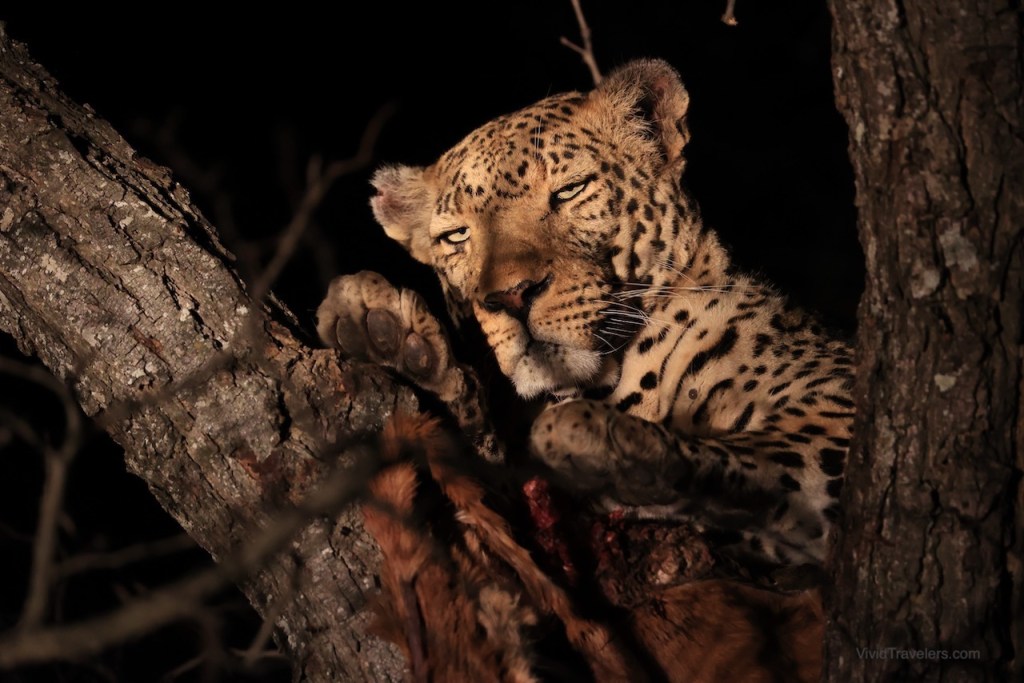
Umlani Bushcamp
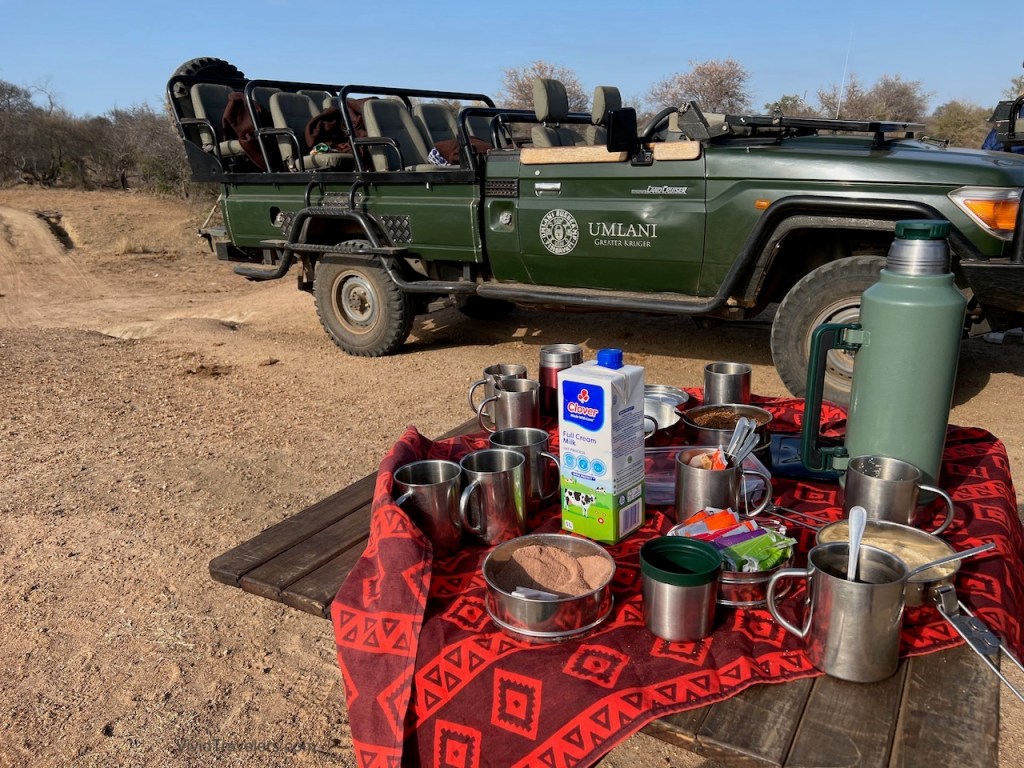
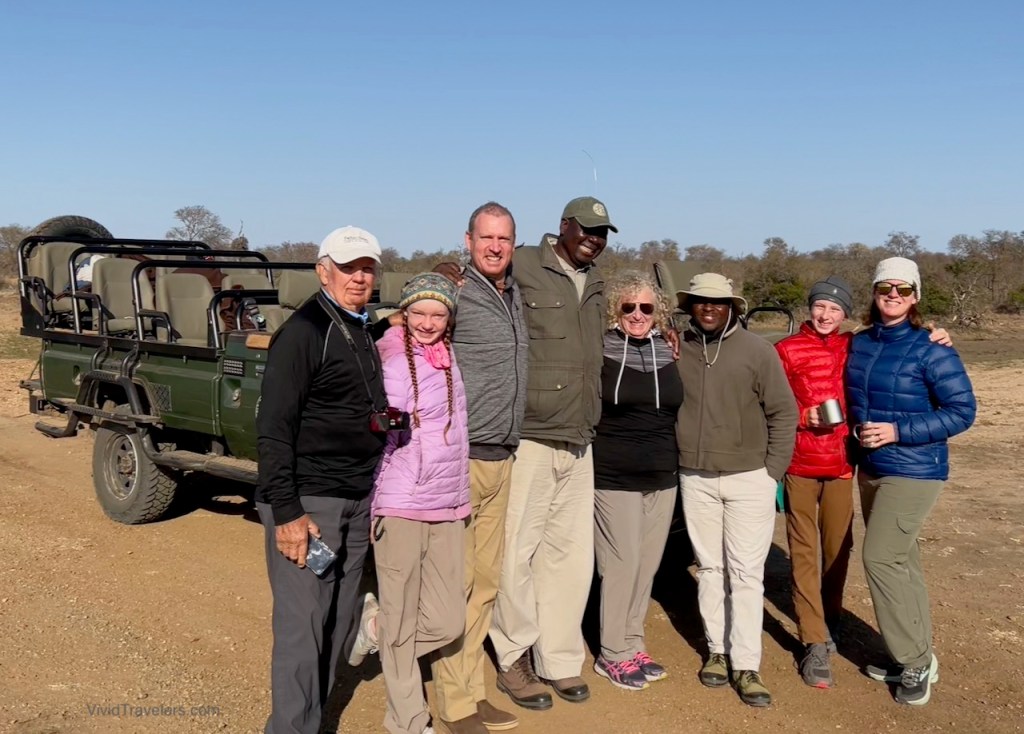
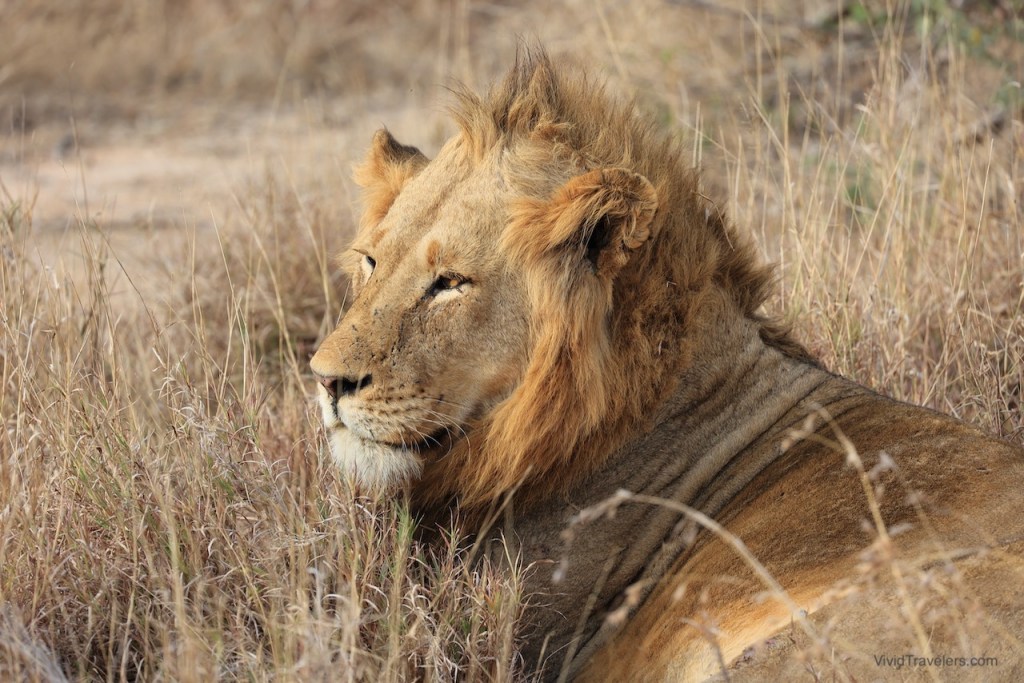
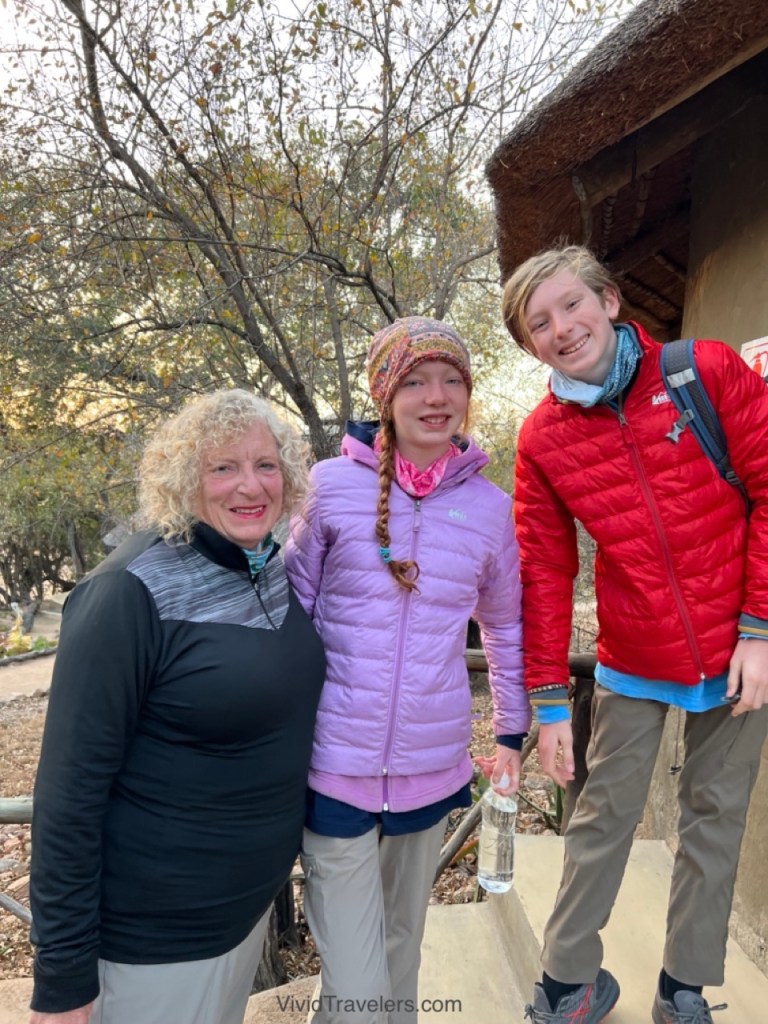
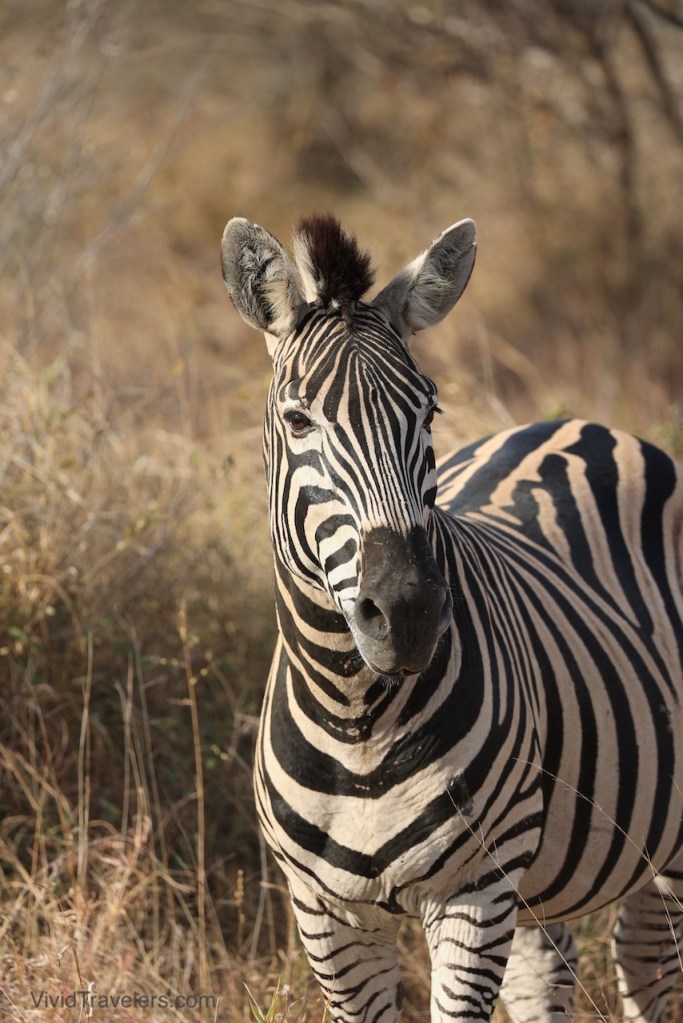
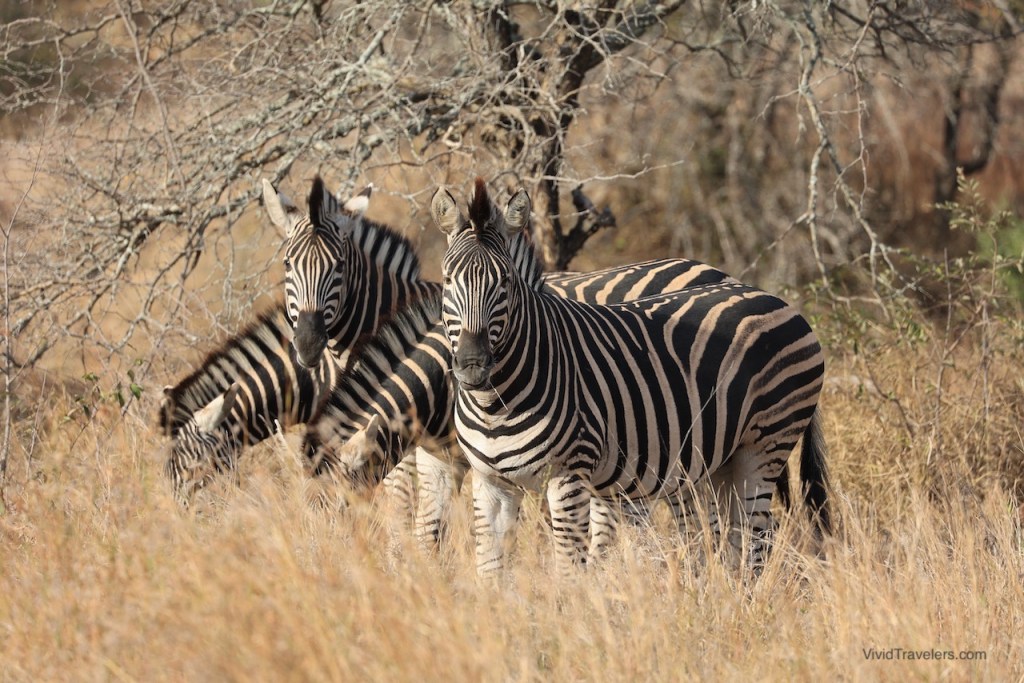
Which brings us to Umlani, the safari camp just outside Kruger National Park where we spent 4 magical days, along with my mom and stepdad. It was everything you imagine a safari experience should be and then some. Imagine – thatched roof huts with outdoor showers and honey badgers knocking on your door at night. Knowledgeable and friendly rangers that expertly navigate the preserve to track the animals for education and photos. Sun-downers set upon a portable table, with fine gin and ginger beer while watching the sun set over the African plains. Meals that are ridiculously plentiful and delicious. Hot water bottles under your covers at night and on your lap during sunrise game drives. A tree house overlooking a watering hole, with elephants trumpeting at night while you sleep under the brilliantly bright milky way. Then there are the legendary animals – leopards in trees with their fresh kills, prides of lions with bellies so full they lazily sleep in the grass, herds of elephants with babies in tow, and herds of Cape buffalo, zebras, rhinos, and antelope.
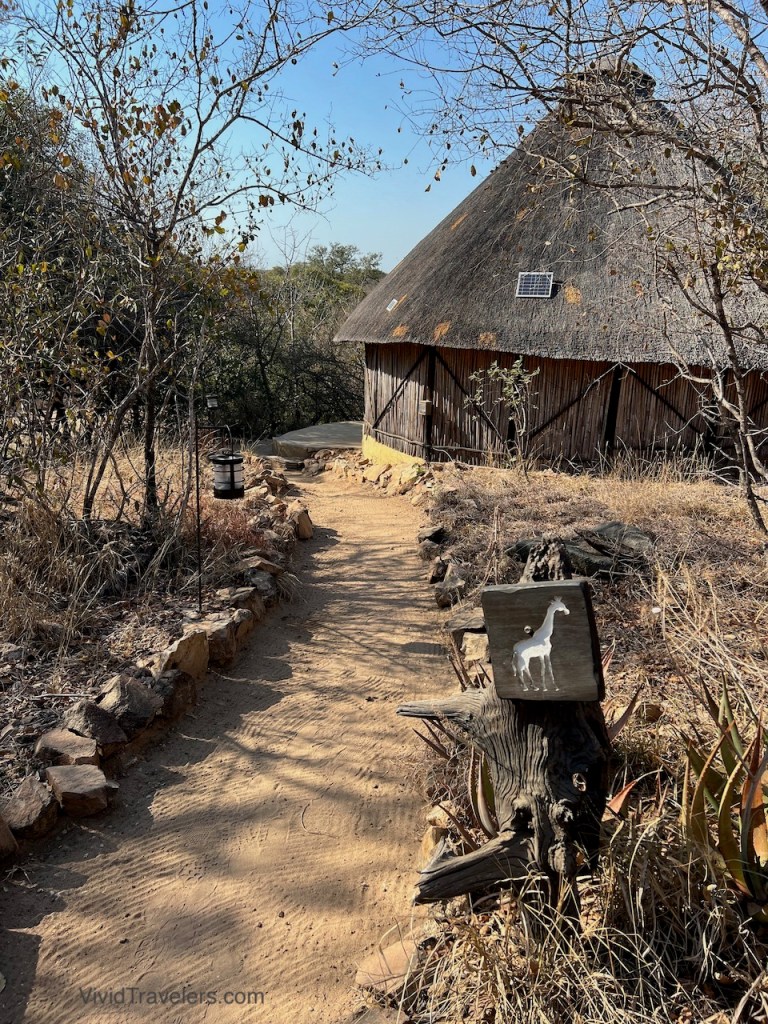
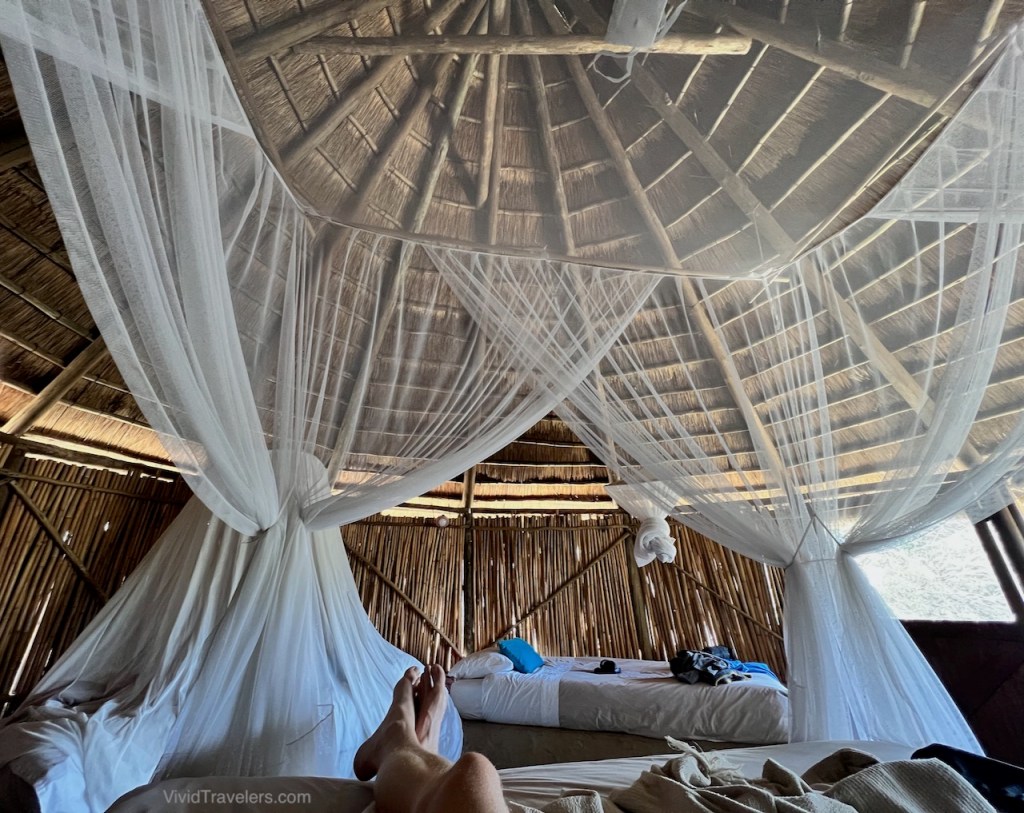

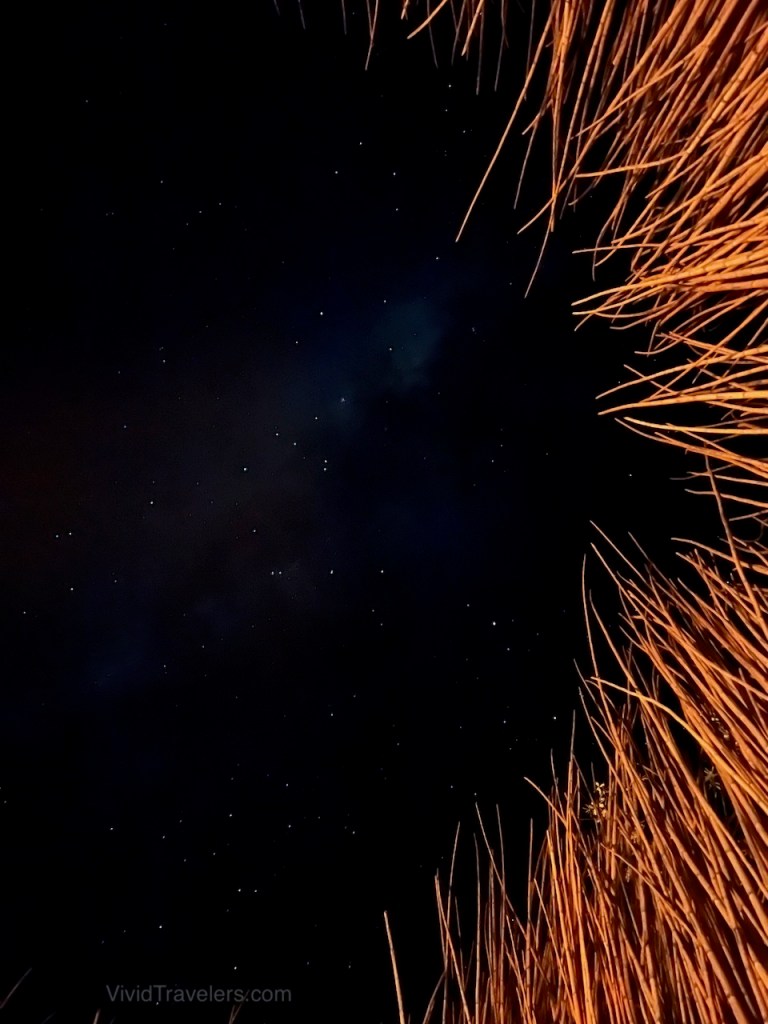
If I had one wish, it would be that everyone could experience what we did. You don’t know the butterflies in your stomach until you see a lion in the wild, 5 feet from your safari vehicle, with nothing between you and them. Or the overwhelming sense of love you get when you watch a baby elephant nurse from its mother, who is the matriarch and has more wisdom about their land than we could ever imagine. Or feeling the power of a herd of buffalo, knowing that if you were outside your vehicle, you wouldn’t last 30 seconds without being trampled. Or the awe of pure majesty watching a rhino family, knowing they are the kings and queens of the savannah.
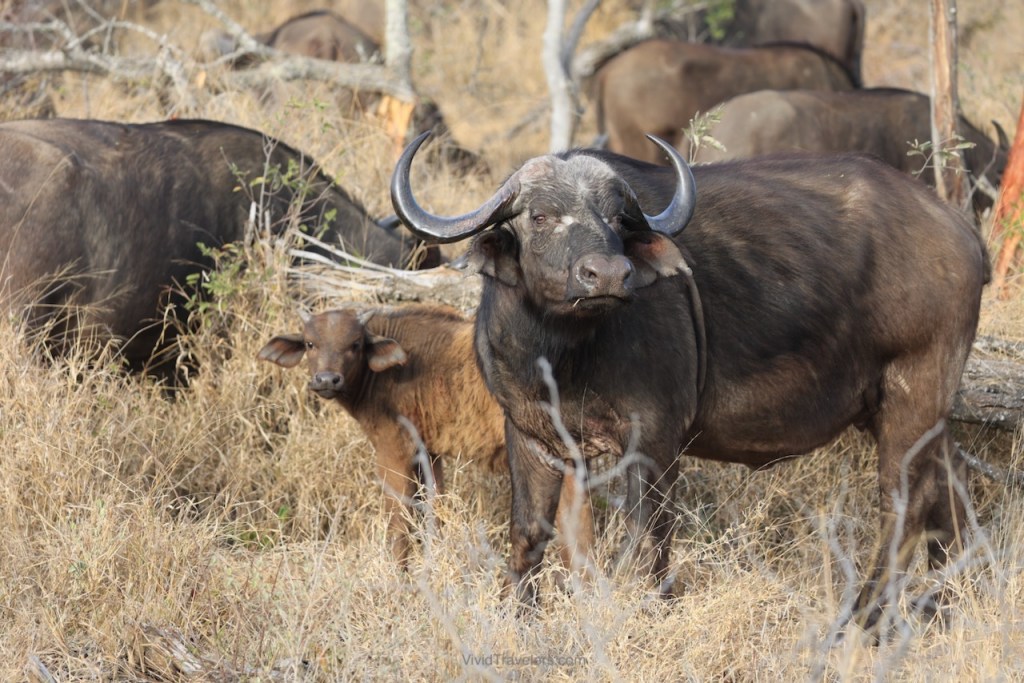
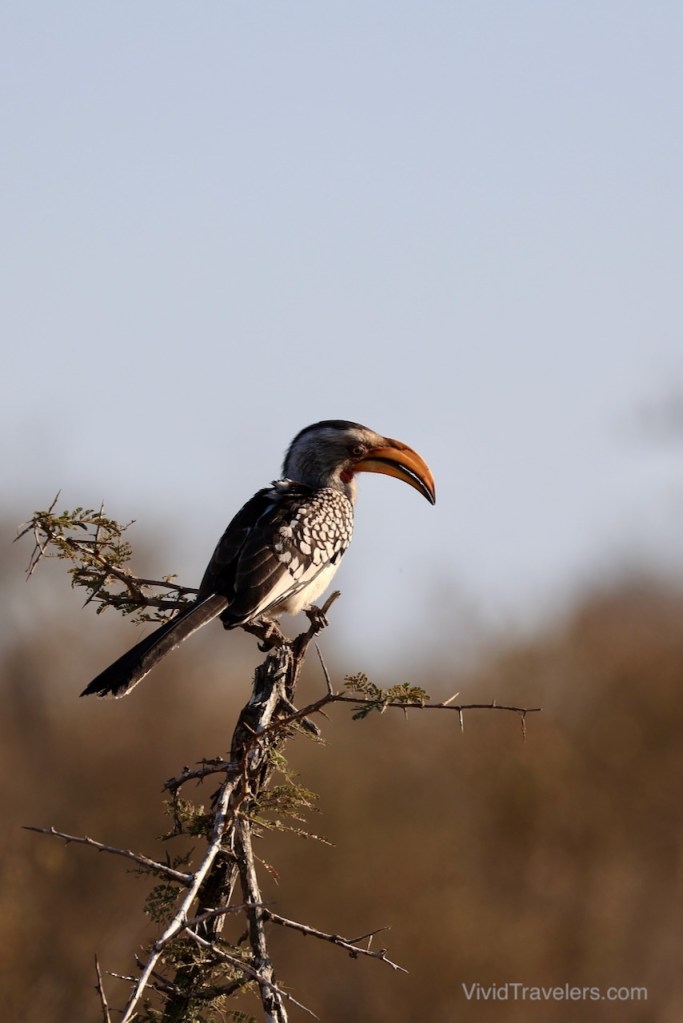
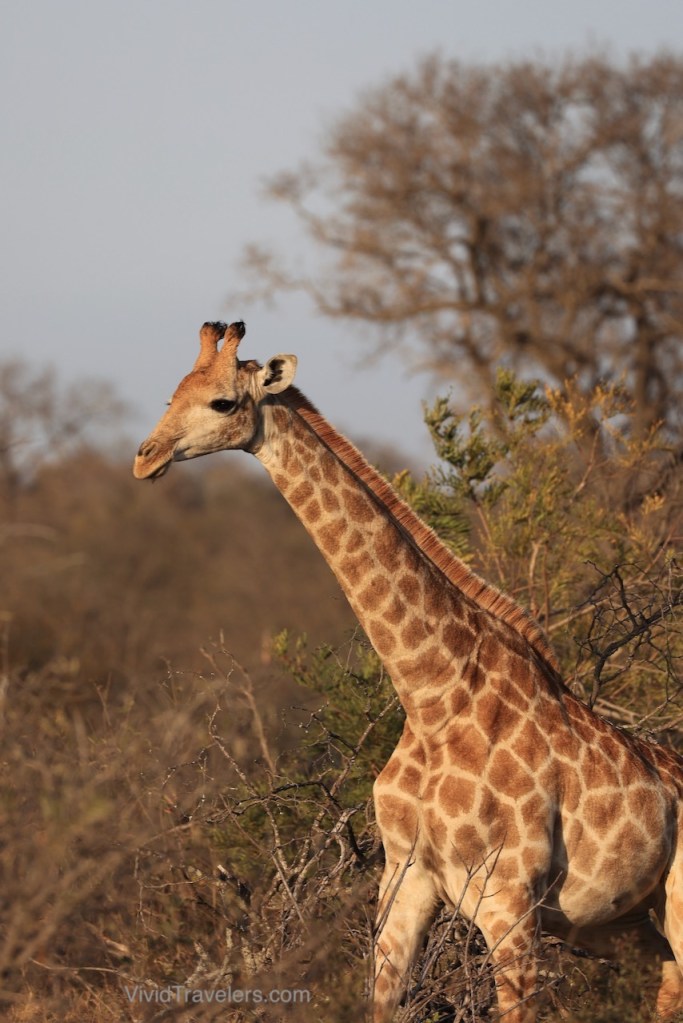
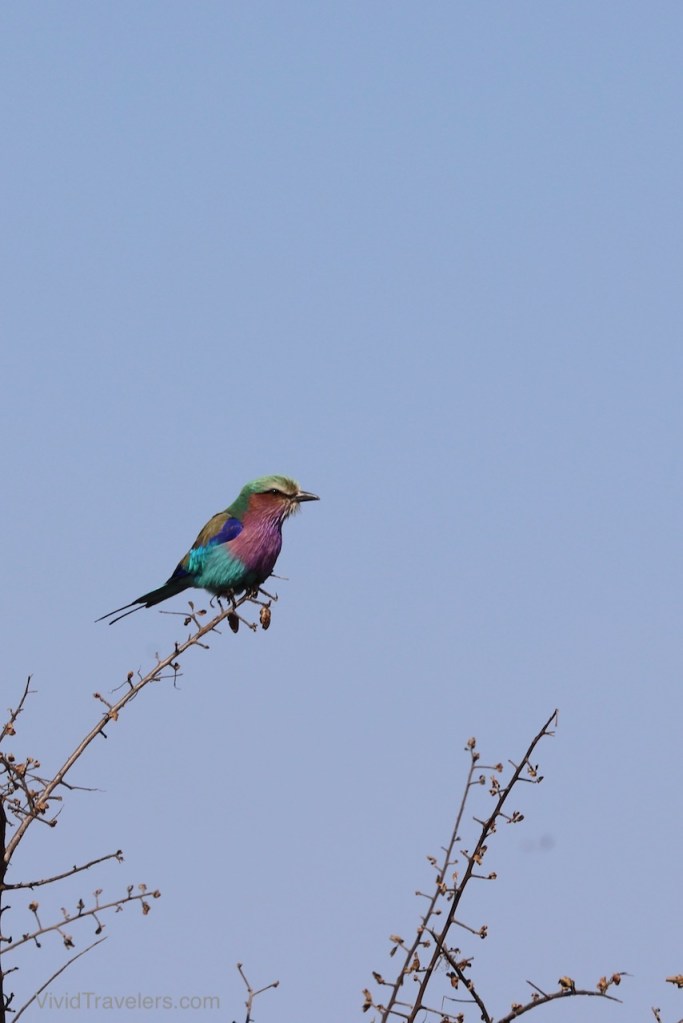

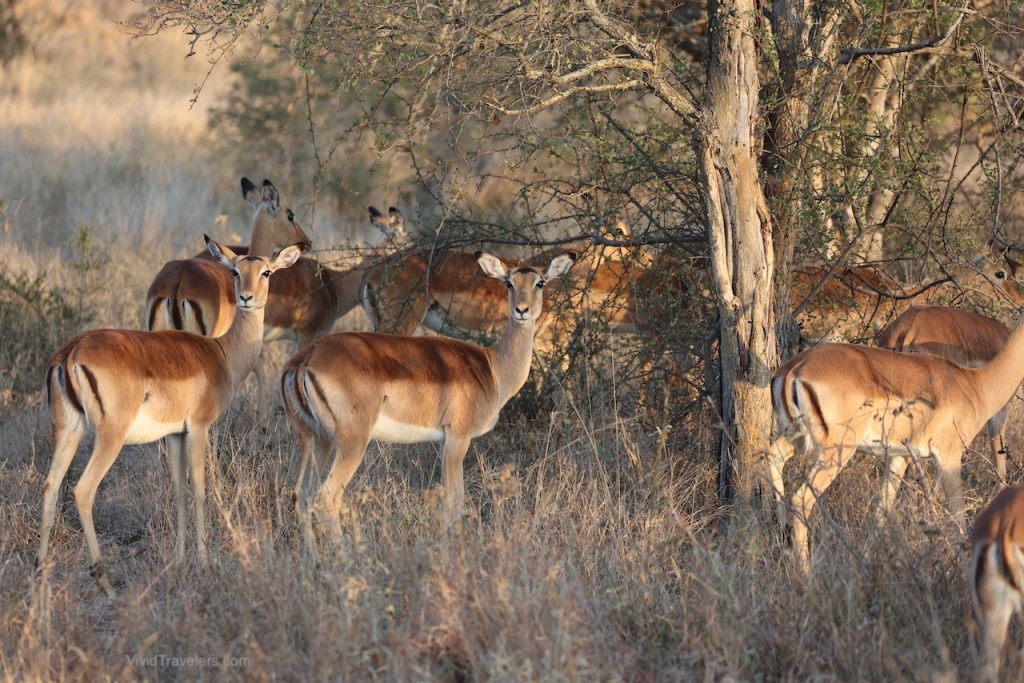
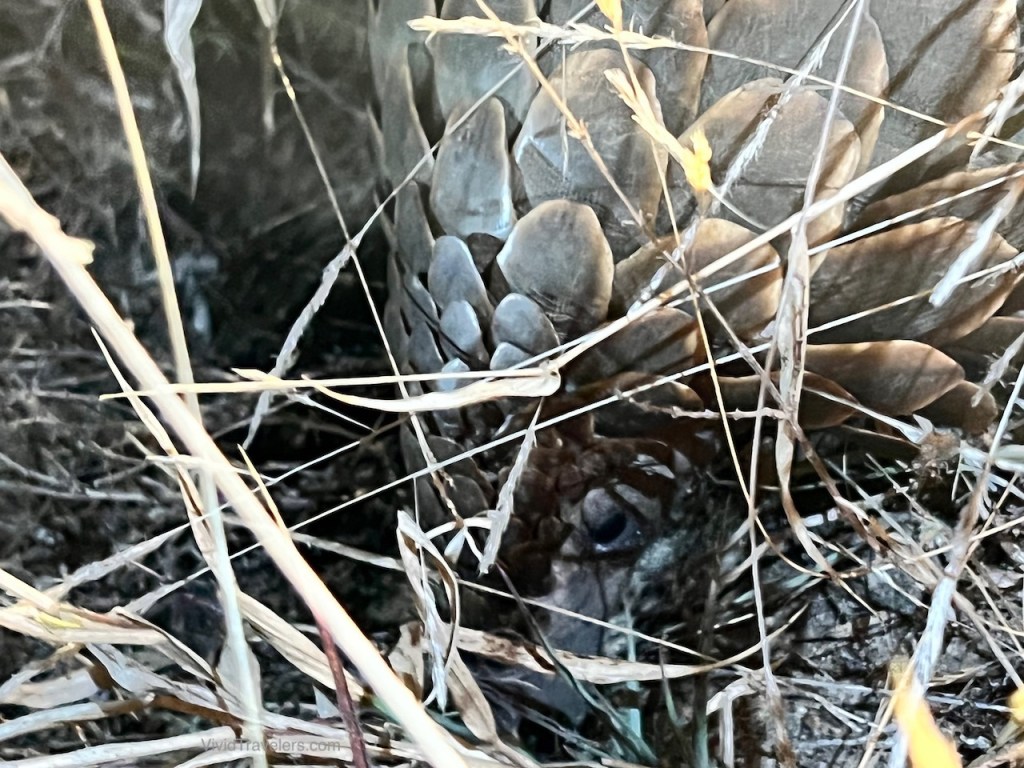
If you can, go to Africa and see these magnificent creatures before it’s too late. (It’s not too expensive, see below). Only through tourism dollars will they be saved. When they are worth more alive to the local economy than they are for their horns or tusks, poaching will cease. If you can’t go, donate to a reputable charity like the World Wildlife Fund. You can even give an animal adoption to a loved one. What better gift for a child in your life than helping save these magnificent creatures?
How to do a safari in Africa?
Flights – The hardest part of the trip is getting there, flights either go direct from the east coast (Newark or Atlanta) to Johannesburg, or via Europe. From the west coast you should plan on a full 24 hrs of travel.
Lodging – We stayed both at an Airbnb and also a traditional safari lodge. They were both exceptional and unique in their own way.
Self guided/airbnb option – Kruger is one of a few national parks in Africa that you can drive yourself. I assure you, it’s far easier than you think (read more about our experiences in the linked stories). Rent a car in Johannesburg, drive 5 hours to southern Kruger, get an airbnb in Marloth Park ($100/night), get food from a local grocery store (dirt cheap) and eat meals at home, do self driving tours in Kruger ($80 per day for a family of 4). South Africa is relatively safe, there is minimal language barrier and the driving is easy (except you’re on the left side of the road).
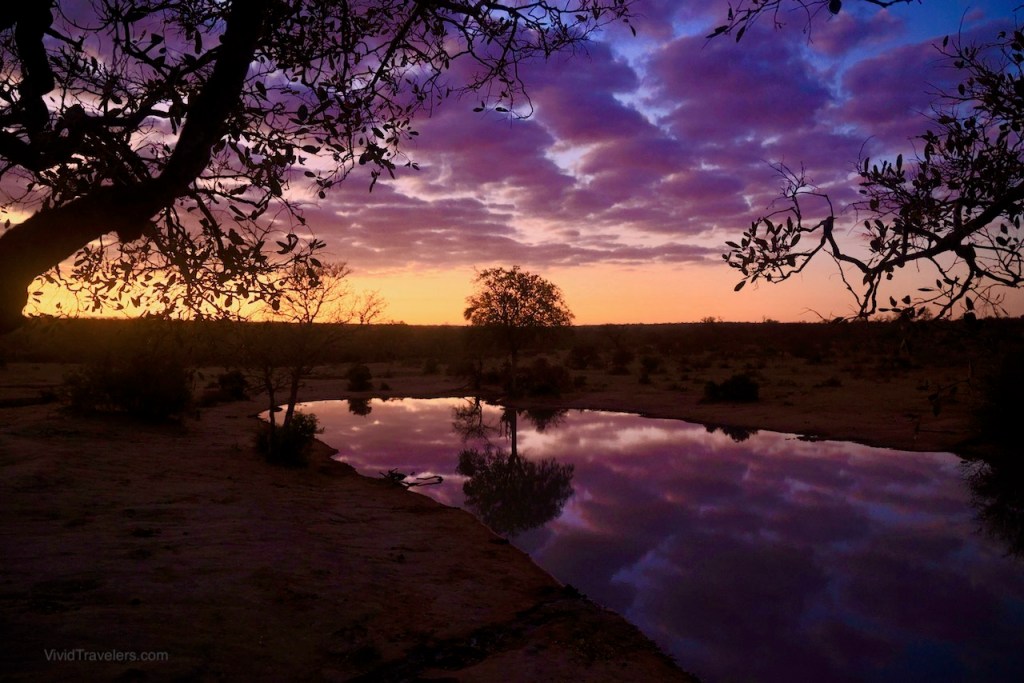
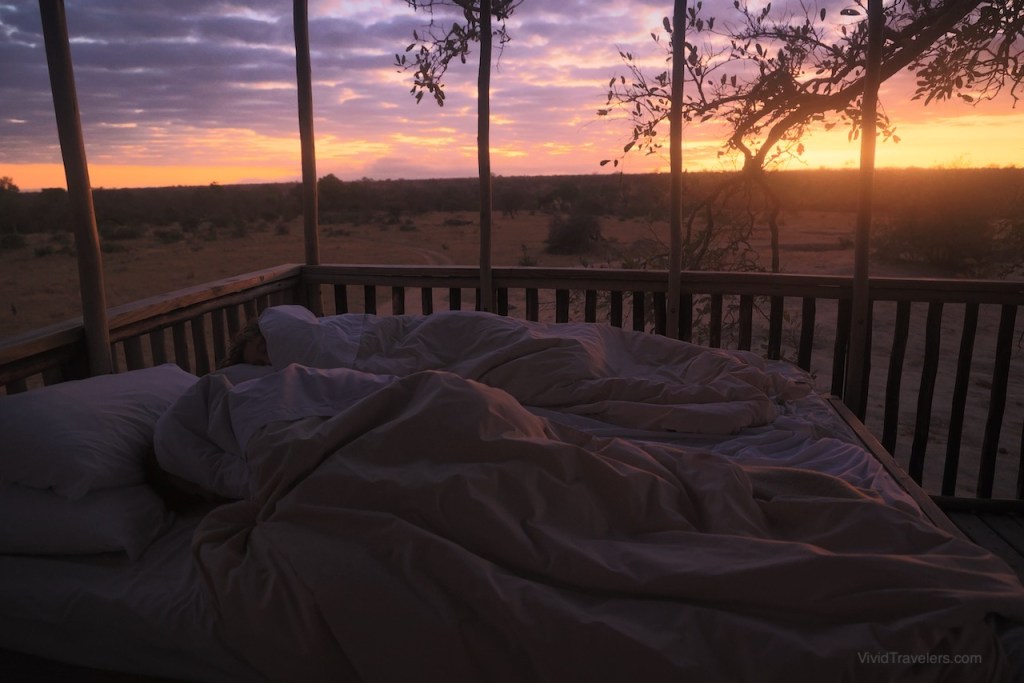
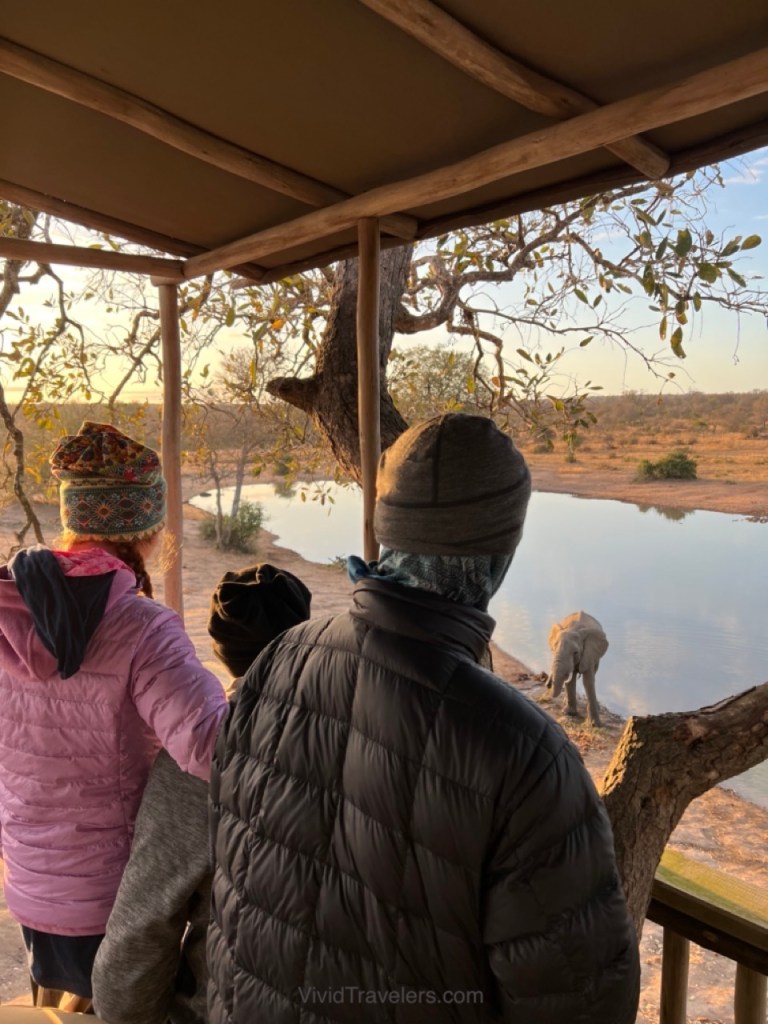
Safari lodge – We can’t say enough good things about Umlani and if you can afford it, we highly recommend going on safari with them. Other safari companies may have fancier huts or more luxurious pools, but the service and friendliness are what sets Umlani apart. Check out their website here if you want a once in a lifetime safari experience. Many thanks to the whole Umlani team!

Thanks for reading to the end! Next up: Cape Town…our last stop in southern Africa. Don’t forget to check out our past stories and subscribe for future articles as well. Find us on Facebook and Instagram for bonus content! As always, if you are planning a trip to any location we visit we are happy to provide more details and opinions, so feel free to contact us.
 Vivid Travelers