by Pete Barba with Drew Barba
Country of Contrasts
After leaving Argentina we were headed to Bolivia. We were originally supposed to go from Peru to Bolivia overland but with the closure of Peru, we were half a continent away in Buenos Aires, so once again we had to country hop to get to our destination. After a very quick overnight in Chile (Country #23), we caught an early morning flight to Bolivia. Despite hundreds of sleep-deprived call nights in residency, I’m not sure I’ll ever get used to getting up at 2am to catch a flight. After a brief 3 hr flight we landed in El Alto (La Paz) Bolivia, feeling tired, grumpy, and generally unwell. El Alto (“The High”) is one of the highest commercial airports in the world at over 13,000 feet.
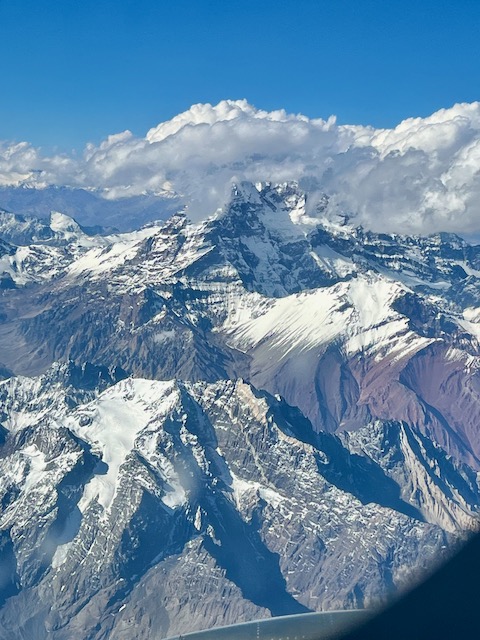
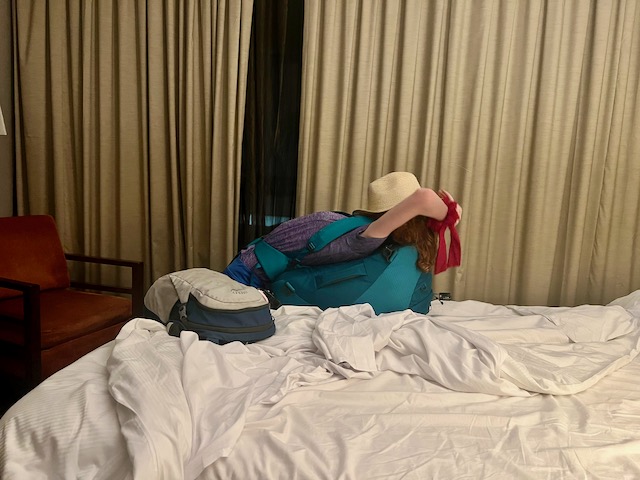
This is Bolivia’s first contrast, its elevation. About half of the country lies on a high mountain plateau in the Andes, with elevations from 10,000 – 21,000 feet; the other half is in the Amazon basin at less than 1000 feet. To put this in context, El Alto Airport is similar in elevation to the tallest mountains in the continental US. On our short flight, we had gone the equivalent change in elevation between the Seattle waterfront and the top of Mount Rainier in 3 hours. Normally, that change in elevation should be done over 3 days to prevent altitude sickness. It’s not so bad if you’re driving up and back down, but we stayed that high for weeks! If we had gone via Peru, we would have acclimatized more slowly. Bolivia Tip: acclimatize before getting to La Paz if possible.
Immigration
Nevertheless, we arrived in Bolivia (Country #24) tired and altitude sick. In addition to feeling horrible, we were immediately stymied by immigration. Luckily for us, this was our first immigration problem in all our travels. Unluckily for us it was also the first time we felt so out of sorts upon arriving in a foreign country. We knew that we needed a visa and everything we read online said we could get a visa upon arrival as we have in several other countries. All we thought we needed was digital proof of a tour, lodging, and a ticket out of the country…plus $160 per person in US dollars. What we actually needed was paper copies of everything and US dollars that were freshly minted without any defects. While our bills were given to us by a bank in Chile, they were apparently not up to Bolivian standards. The immigration official went over each bill with immense focus, running his finger down each edge, looking for microscopic tears and studying each bill for creases or blemishes. Of our $800 in US cash, only $140 was acceptable. I was marched like the unprepared idiot I was by an armed immigration official to the currency exchange where they too wouldn’t take my money in exchange for newer bills. As the fatigue, altitude induced headache and situational stress set in, I started to lose my patience and thought we were headed out of the country. Just then an angel appeared and her name was Julia.
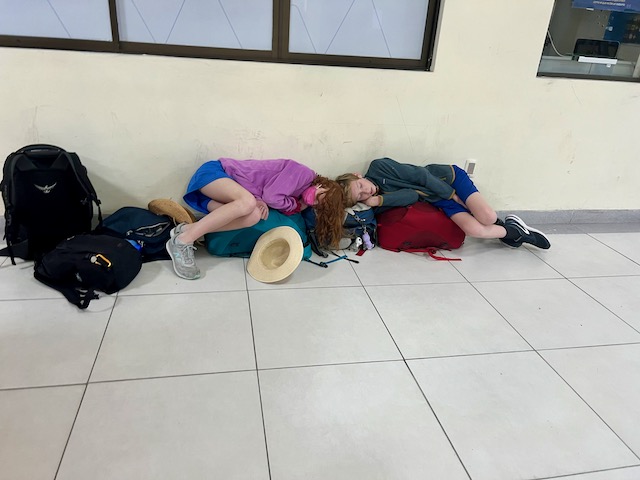
Julia, our angel, was our Intrepid Travel guide and she came prepared with crisp bills to save us. Our hero! With new bills in hand, I was marched back to immigration where the kids had melted into the luggage, succumbing to the fatigue and altitude while Kate was negotiating with the immigration official about our lack of paper documents needed for our visa. That’s when our second angel appeared, a LATAM airlines representative, who went out of her way to help us. Using her personal devices, she downloaded our itinerary and found a printer to print everything out for the immigration official. I would be remiss here to not recognize the immigration official, he was truly doing his best to let us in his country but rules and regulations were standing in his way. Between his minimal English and our middle school Spanish, we were able to communicate and no one lost their cool. After two grueling hours, we were finally through immigration. Not the best start to our Bolivian Adventure but mercifully that was the last of our trials for the next two weeks. Bolivia Tip #2: get the online visa well ahead of time and/or take the time to get and protect crisp bills from the bank and print everything. (Note: this has never been necessary before, but we fully understand that we messed up by leaving it to arrival.)
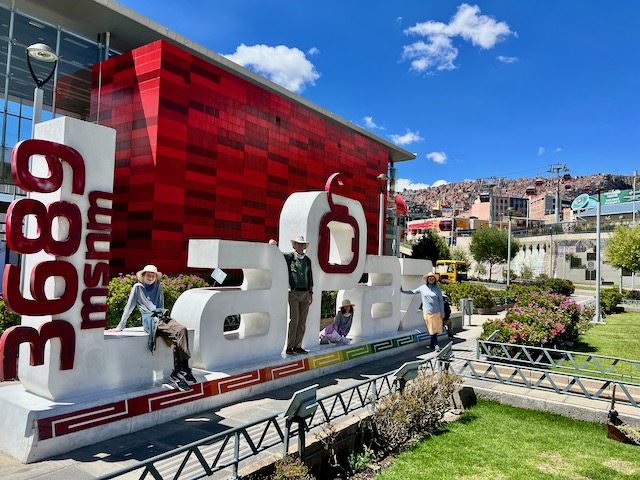
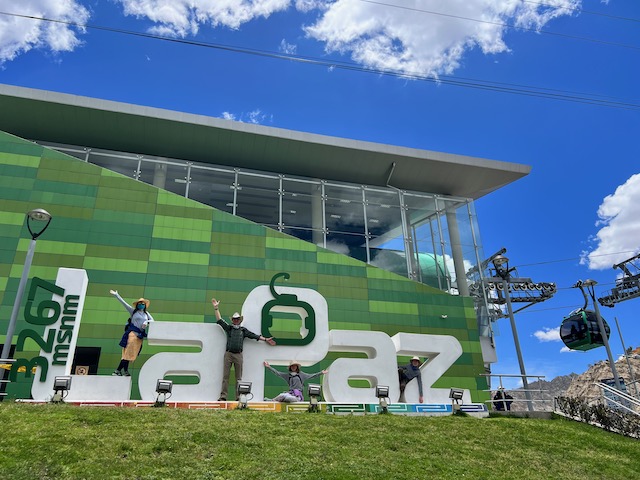
La Paz area
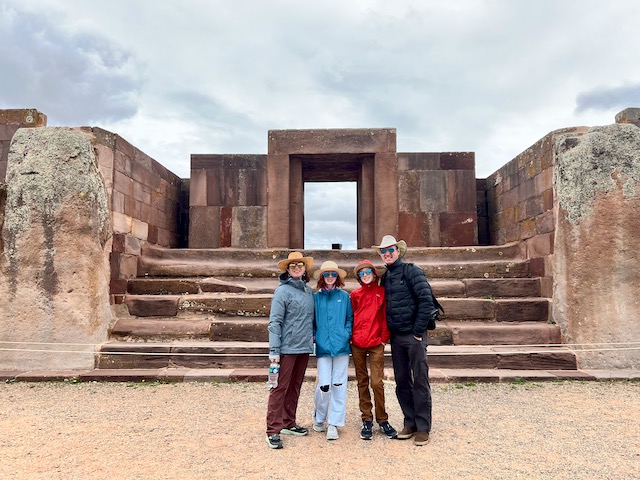
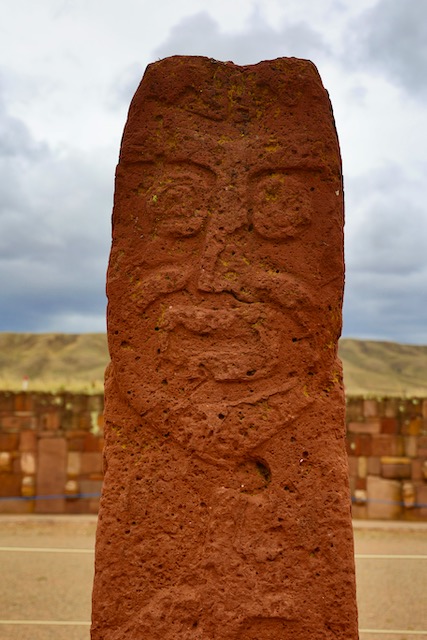
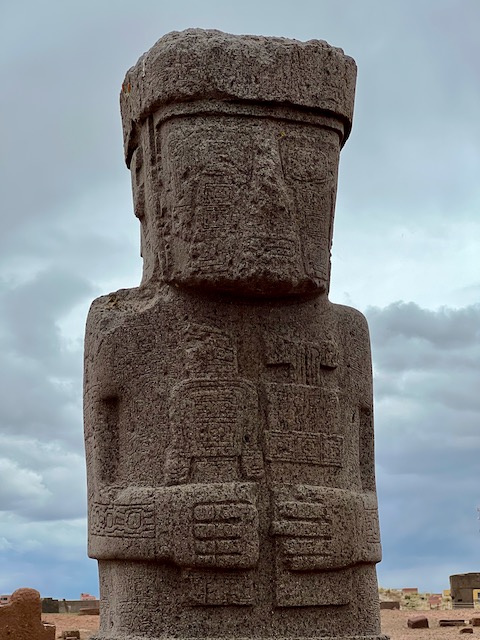
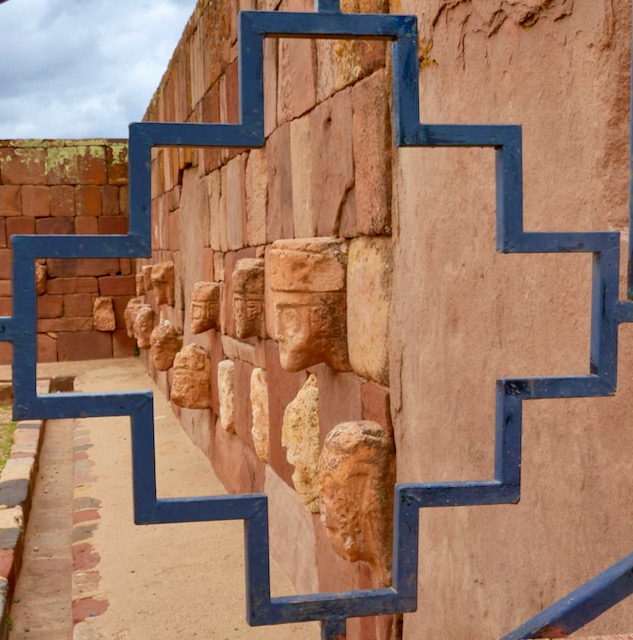
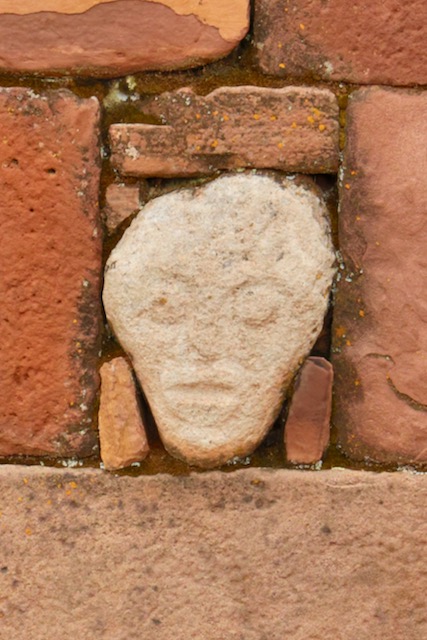
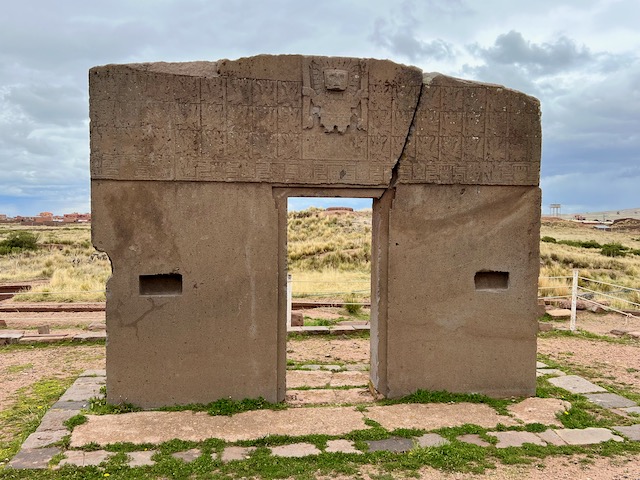
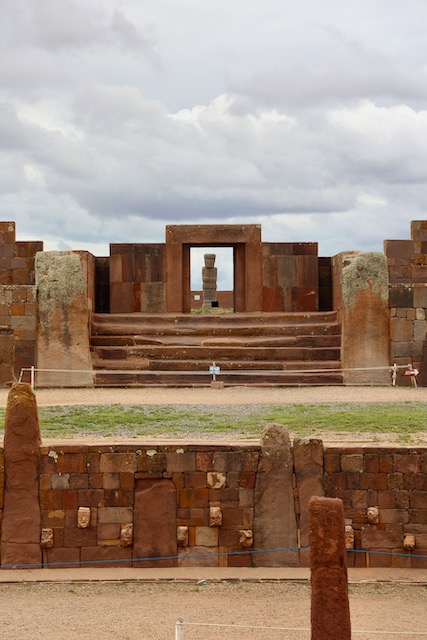
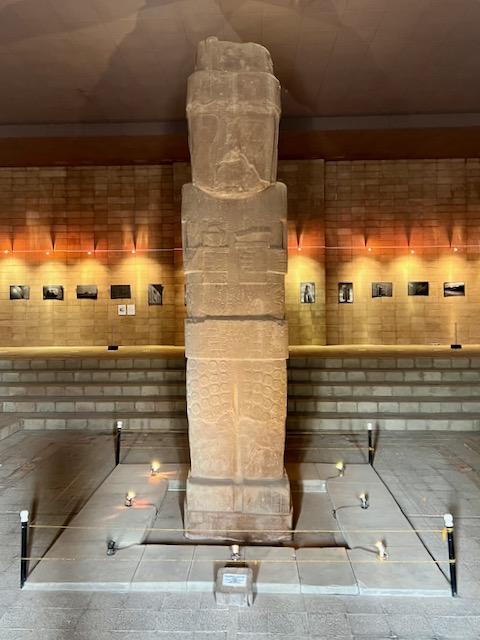
Once clearing the airport, we hopped in our white llama (our term for our van, we’ve had a white rhino in Southern Africa, a black camel in Egypt…) on our way to Tiwanaku, an archeological site of a pre-Incan city. Once again we traveled back in time, exploring ruins dating back over 2,000 years. Similar in age to the height of Petra and Rome, we once again marveled at the engineering and craftsmanship done by a civilization we knew nothing about prior to this trip. The hand carving of the blocks was precise, creating walls without visible gaps or the need for mortar. The statues, which weighed tens of tons, stood impressively over the citadels, with their watchful eyes monitoring our every step. The faces carved into the walls even showed signs of trading with distant civilizations as far away as the Middle East (and perhaps even out further beyond, with an “alien” face protruding from the rock).


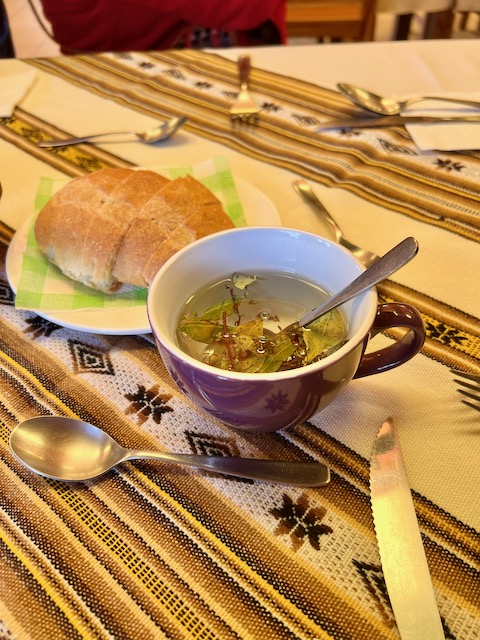
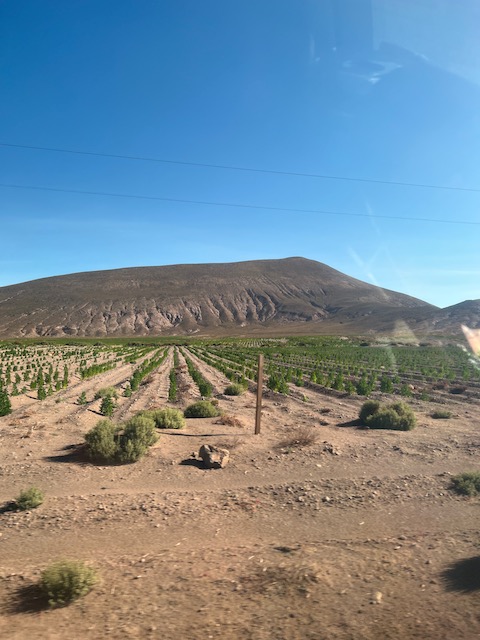
For lunch, we stopped for a typical Bolivian meal of quinoa soup and mate. Quinoa is ubiquitous in Bolivia. This plant tolerates the arid climate, extreme altitude, excessive UV exposure and extremes of temperature; it thrives where nothing else will grow. A staple of the Bolivian diet for millenia, this super grain is packed full of fiber, carbs and protein, sustaining the Bolivian people in an environment where not much else grows. Our soup was accompanied by mate (tea) made with local plants including coca and a local mint, both of which help with altitude sickness. While I normally wouldn’t advocate for giving children a plant which produces an illegal drug (cocaine comes from coca), the minuscule amount of cocaine in coca is well known to help a lot with altitude sickness. Revived and nourished, we moved onto La Paz, the presidential and legislative capital of Bolivia, and its largest city.


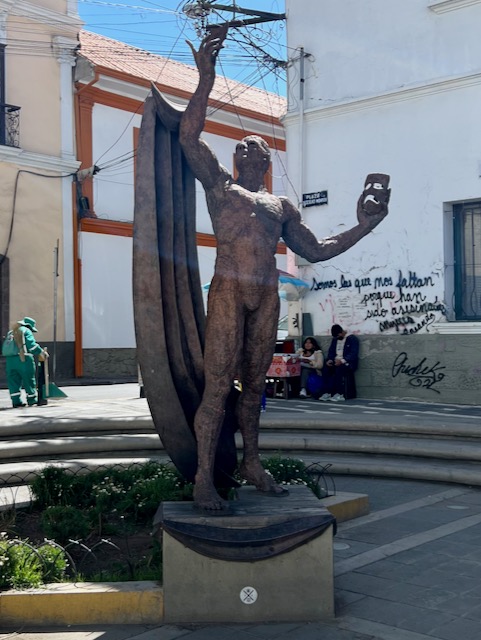
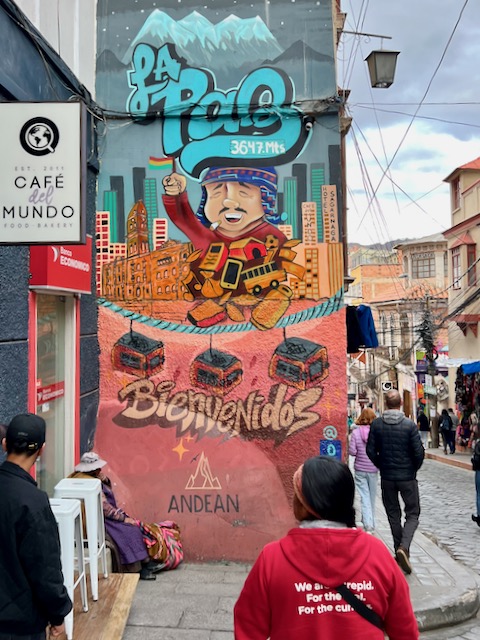
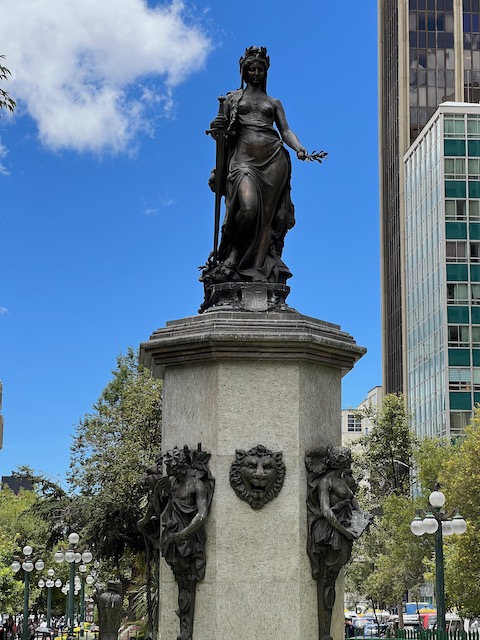
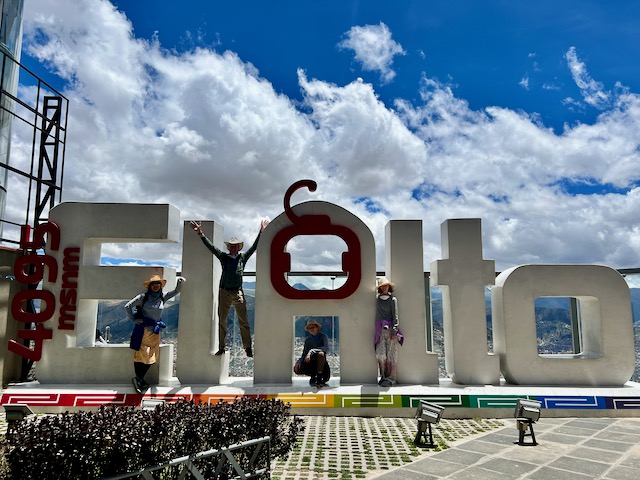
The next day and a half were spent exploring La Paz. Imagine a metropolitan area of two million people, perched on the walls and floor of a river canyon, surrounded by mountains. That is La Paz. The city spans 3,000 vertical feet, from the embassies and financial district at the lower elevations to the indigenous neighborhoods at the higher elevations. Unlike most other places in the world, here the rich live low and the poor live high, another of the unusual contrasts of Bolivia. In such a challenging environment, subways and other common forms of public transportation don’t work. Instead the city has ingeniously installed gondolas, like you’ve seen at ski resorts, for its primary means of mass transit. With 10 color coded lines connecting the city, gondolas make it easy to get around this city built high in the mountains.
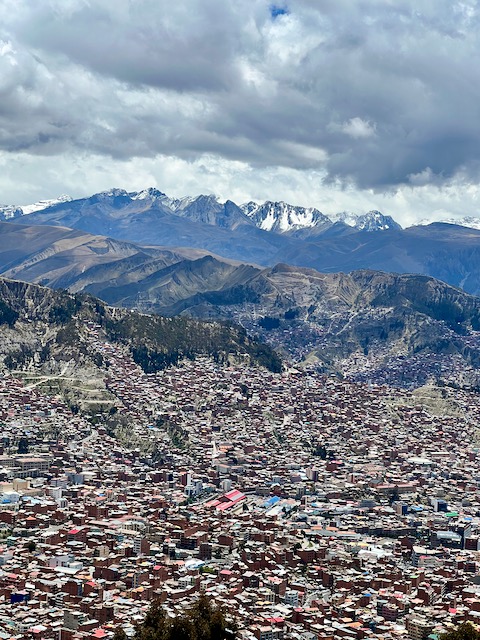
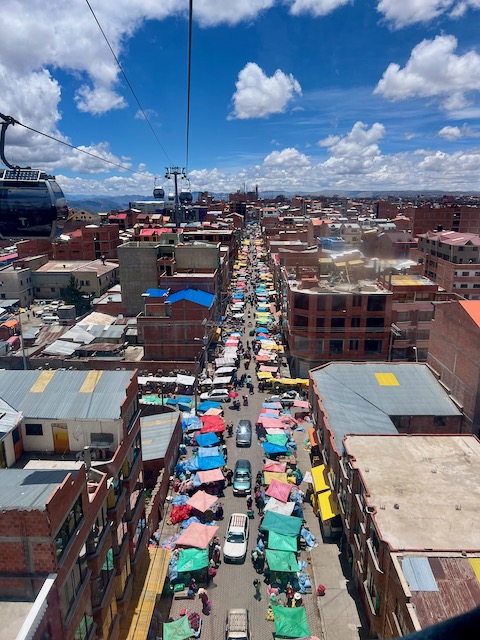
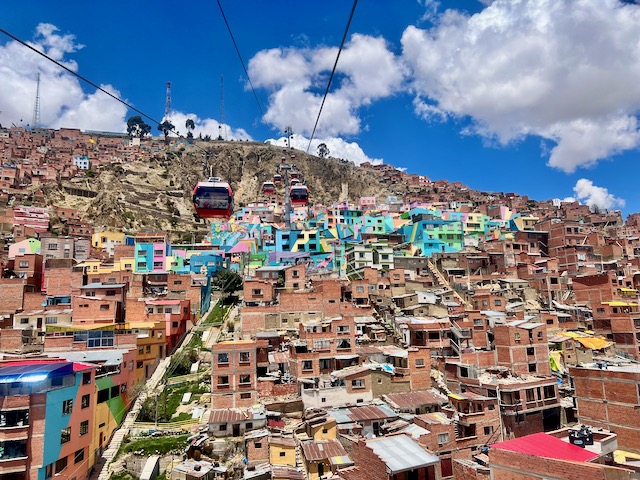
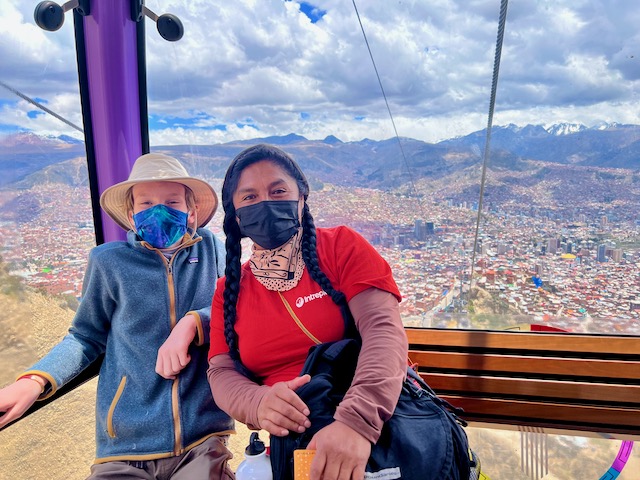
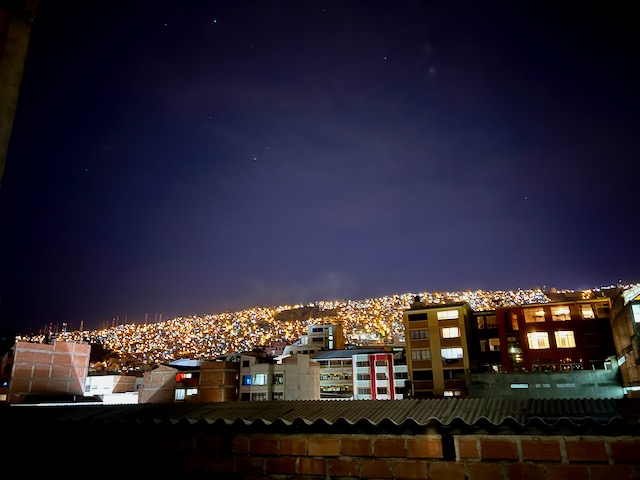
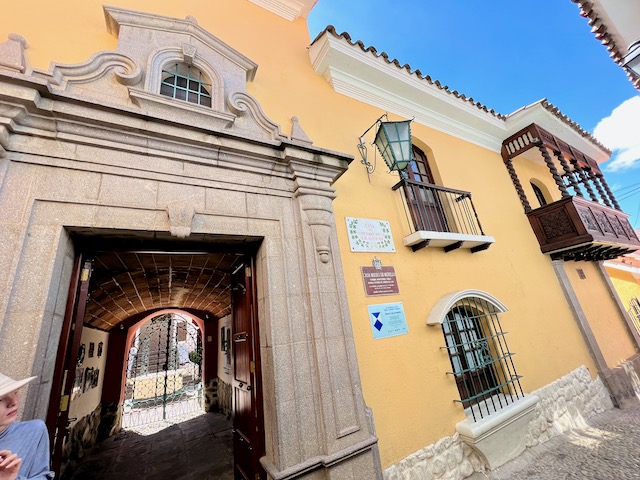
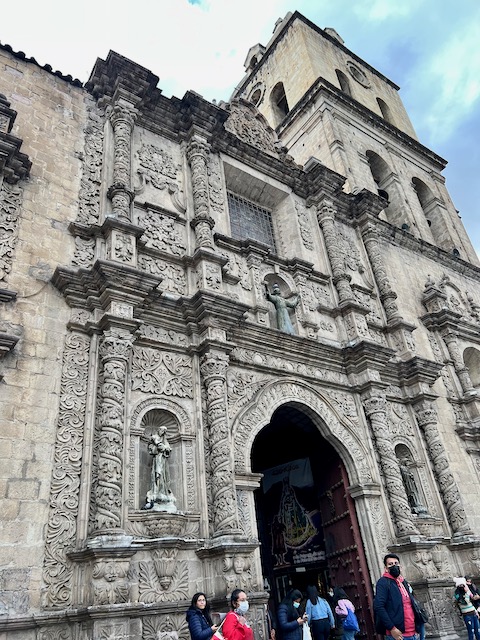
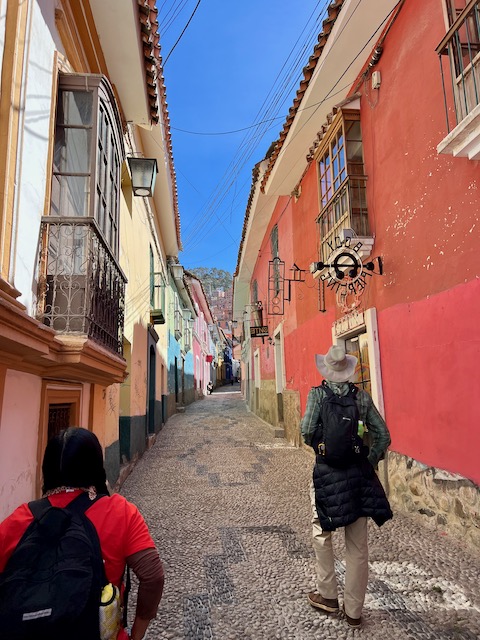
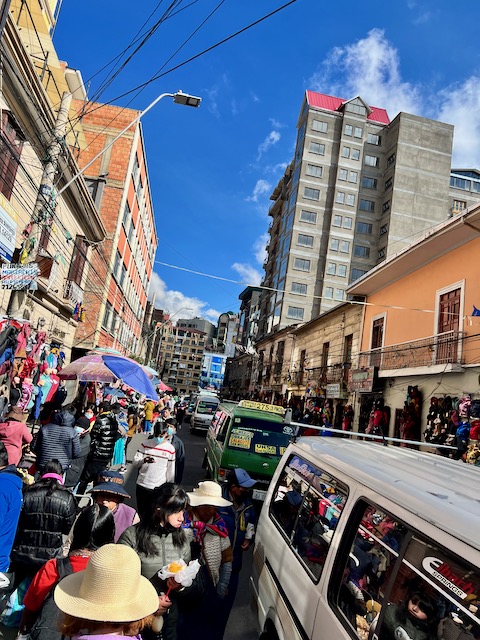
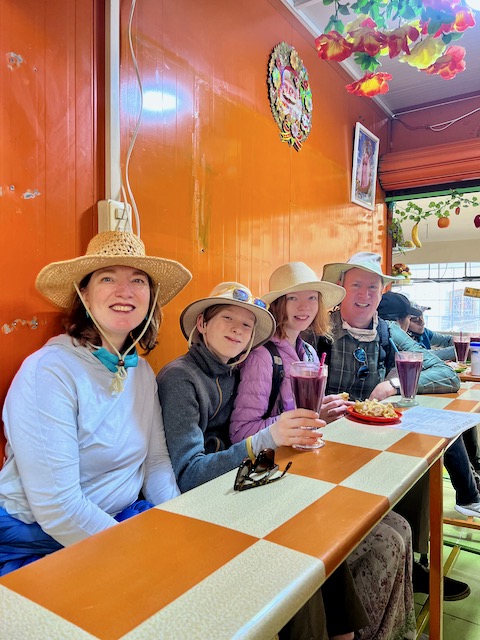
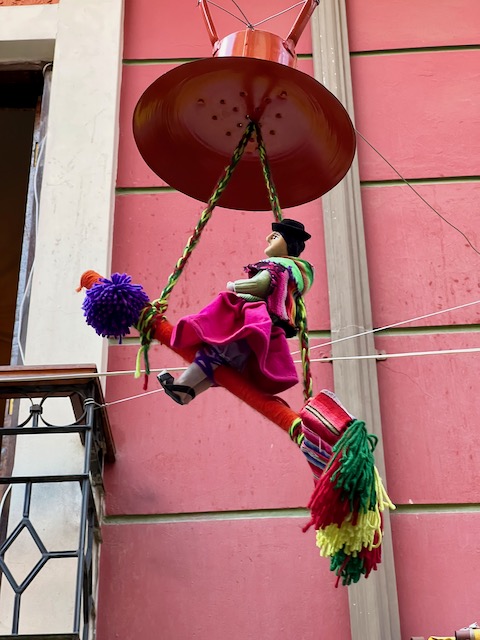
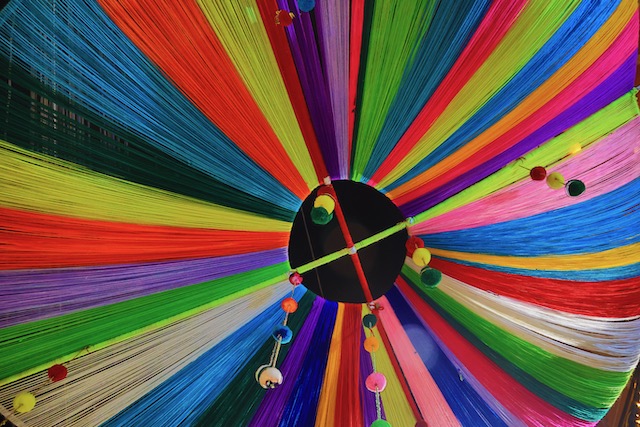
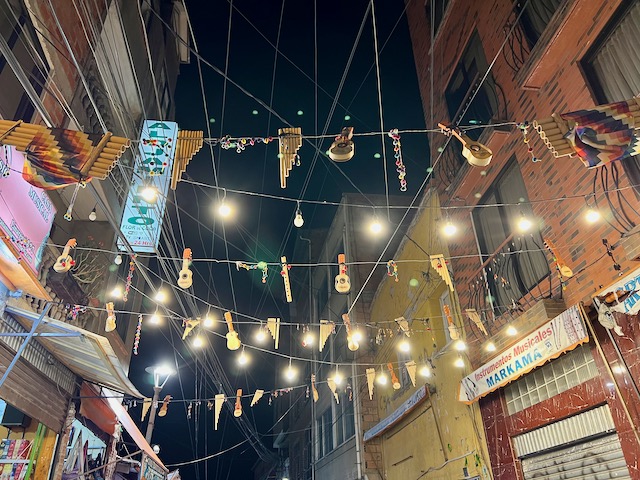
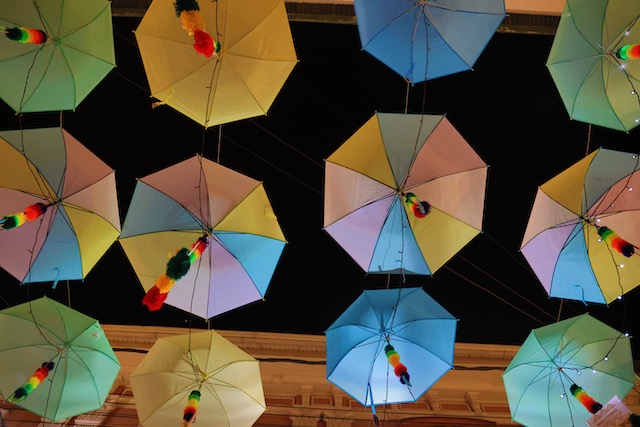
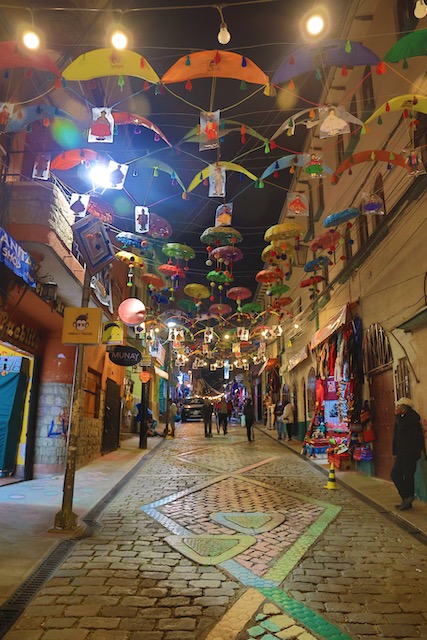
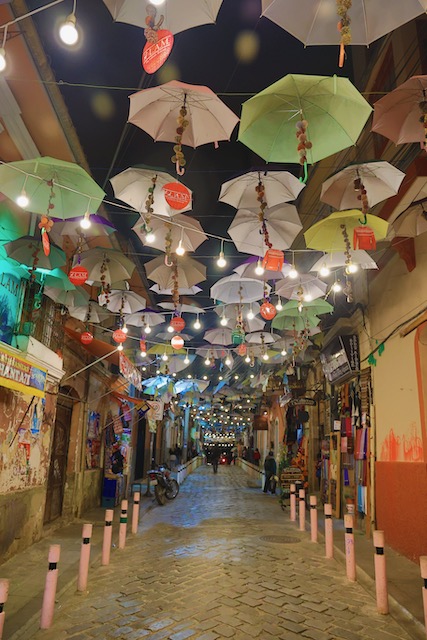
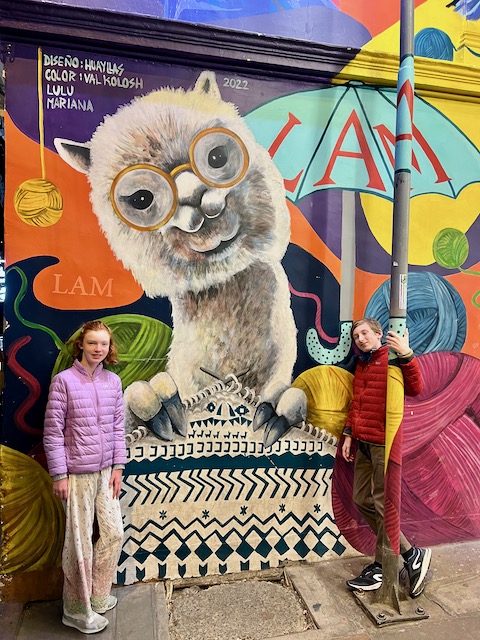
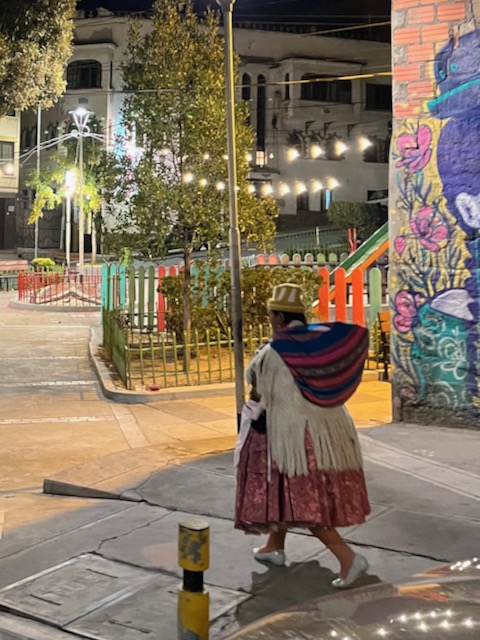
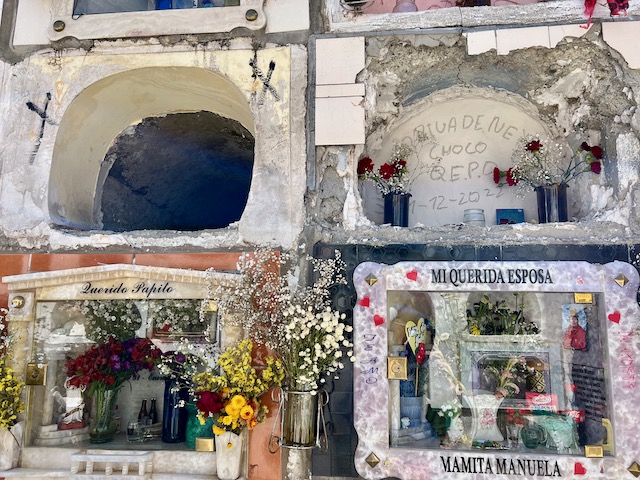
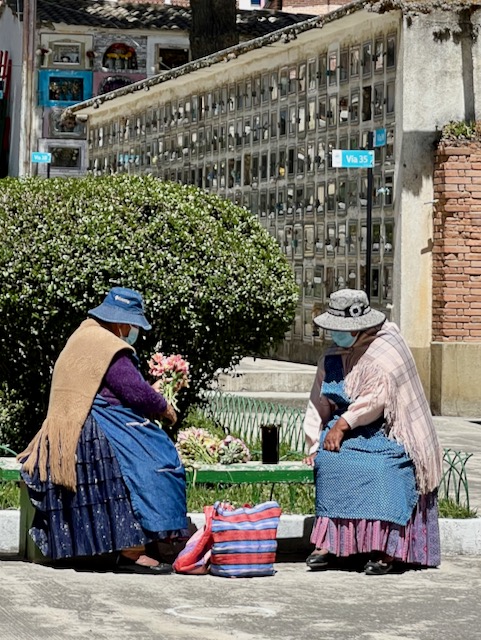
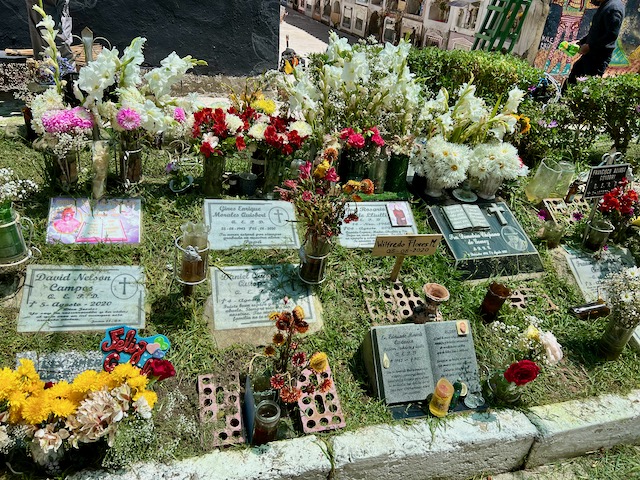
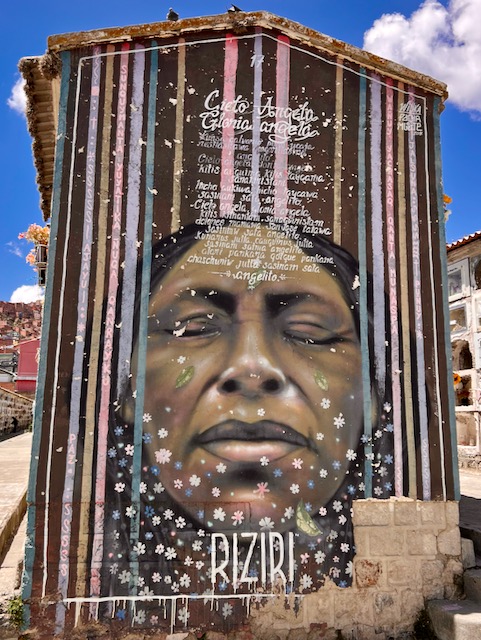
La Paz is called the city of a thousand colors, and I would wholeheartedly agree. From pastel colored neighborhoods, to flowering trees, to gondolas of every color, the city glows with vibrancy. The energy flows to the people of the city, who despite the oxygen-thin air, are always on the move walking up and down the steep sidewalks. The city is clean, friendly and safe, provided you don’t step out into the chaos of the city streets, where pedestrians don’t have the right of way. We strolled the city streets and glided through the skies with our guide Julia sharing interesting facts, getting us to try local foods and preventing us from getting flattened in the local traffic. Highlights include the “witches market” where we learned about local beliefs and traditional medicines, the local cemetery with its rented and recycled tombs, and local markets with meat so fresh it’s not refrigerated. We were definitely not in America any more!
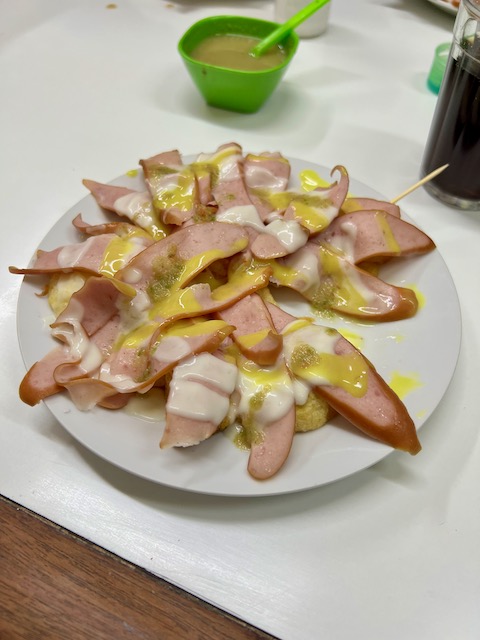



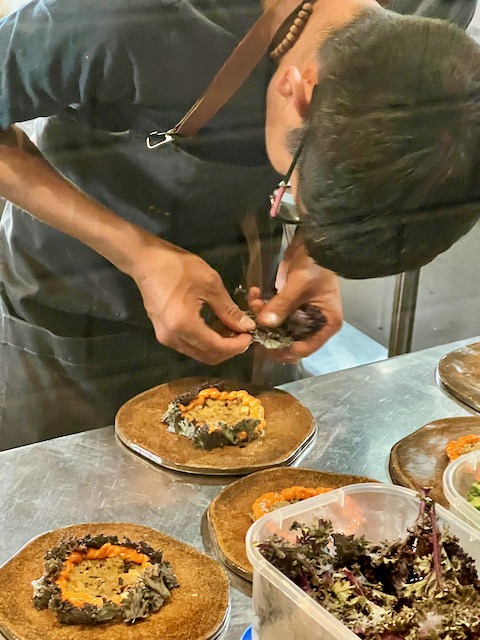
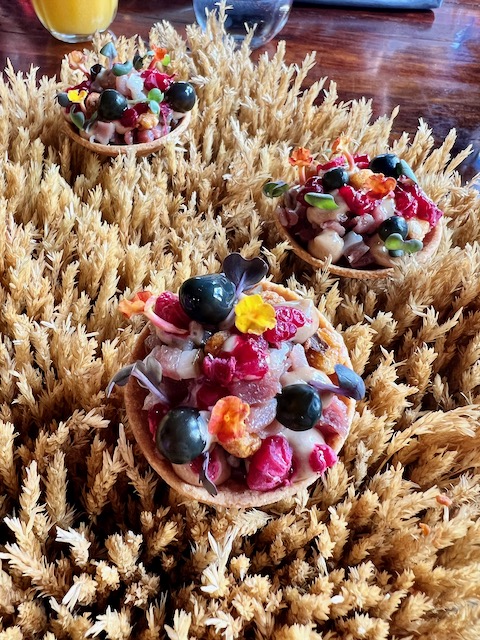
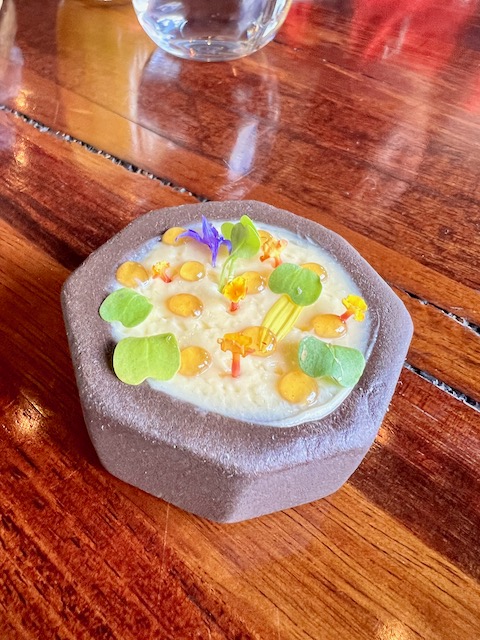
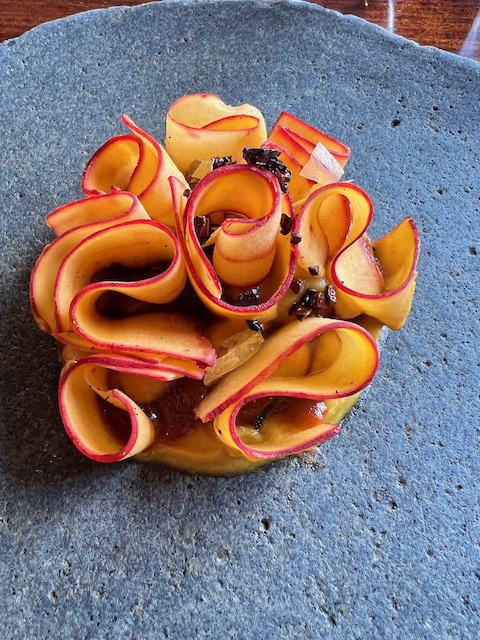
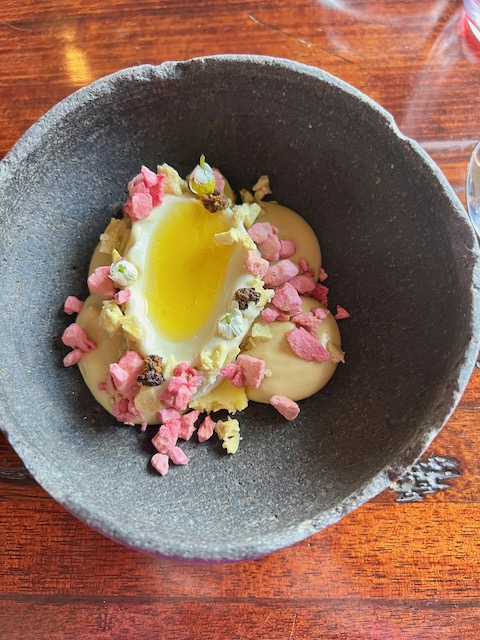
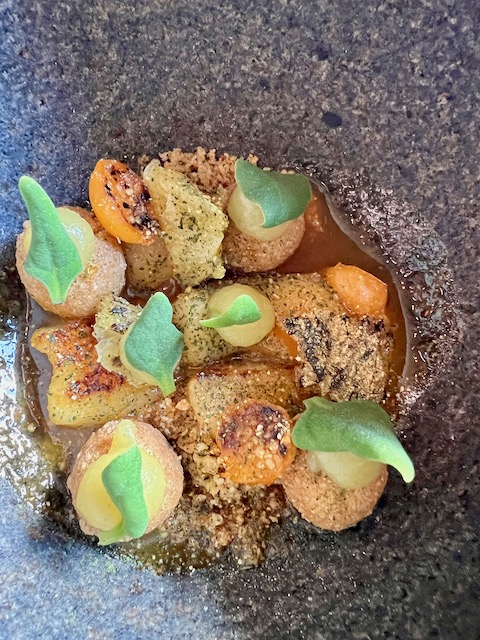
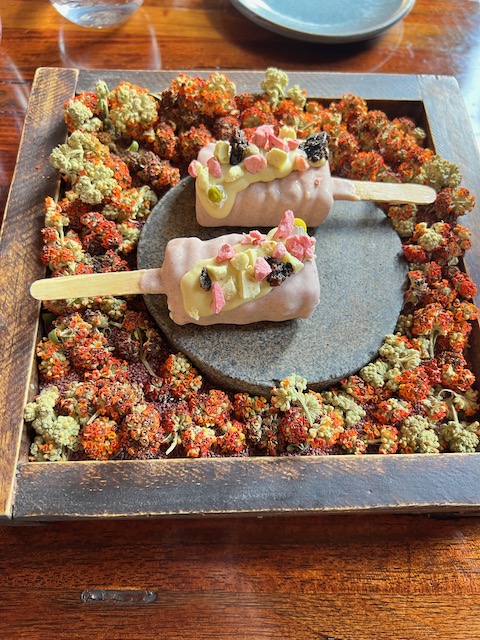
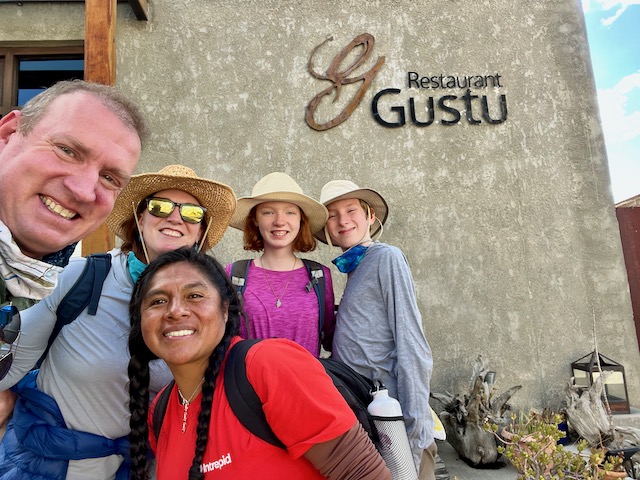
In contrast to the tasty street food, we treated ourselves to a high end restaurant in Bolivia. Gustu is one of the first gourmet restaurants in Bolivia and was started by the co-founder of Copenhagen’s Noma, the world’s best restaurant. The story goes that Claus Meyer wasn’t comfortable with his wealth and fame, and so decided he wanted to give back to the world. After literally looking the world over for a country that would help him achieve his vision, he started this teaching restaurant in La Paz, to teach Bolivians how to run high end restaurants. They carefully choose students who want and need an opportunity to excel outside of the traditional occupations, and they train them to be servers, chefs and managers. In addition, the school has also started educating the local street food vendors on food safety to improve the overall health of the city. Head Chef Marsia Taha uses only native Bolivian ingredients but in unique ways to create gourmet food, which is then plated with artistry. We ate ten courses total until we were full to the point of discomfort. It was a marvelous meal with an even better mission. Thank you Gustu.
Uyuni Salt Flats
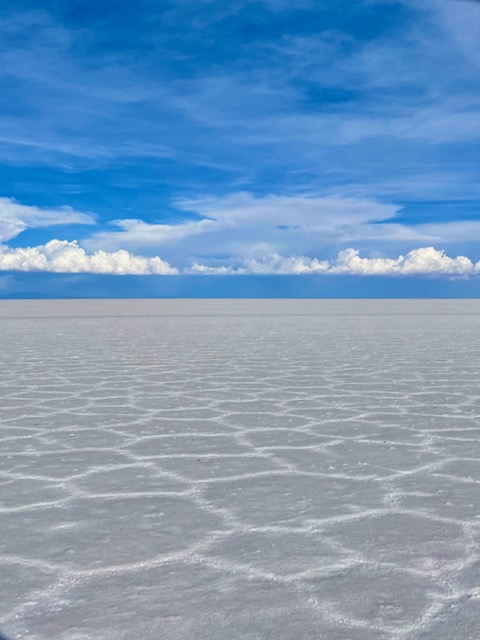
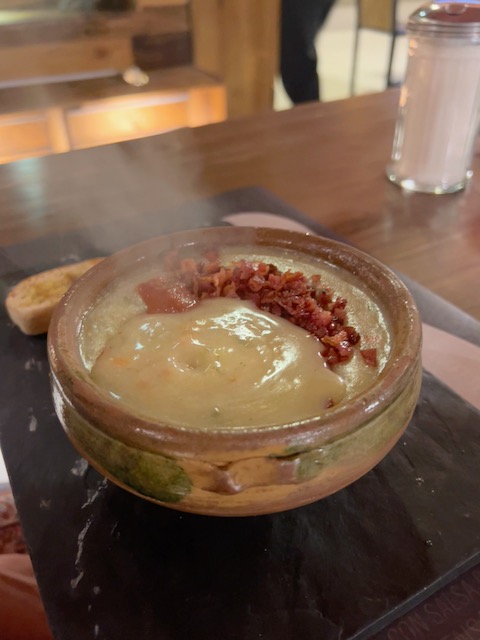
After two days in La Paz, we headed even higher to the salt flats of Uyuni. Our ten hour drive took us from the bustling metropolis of La Paz to the small outpost of Uyuni, our gateway to the salt flats and high mountain desert of Atacama. While waiting for our local 4×4 driver to take us exploring the next day, we enjoyed a delicious dinner of Bolivian classics at the restaurant Tika. Most notable was the K’alapurka, a delicious bowl full of creamy corn and potatoes served with a scalding hot volcanic rock. This unique presentation caused the soup to bubble, hiss, and steam, a foreshadowing of our days to come.
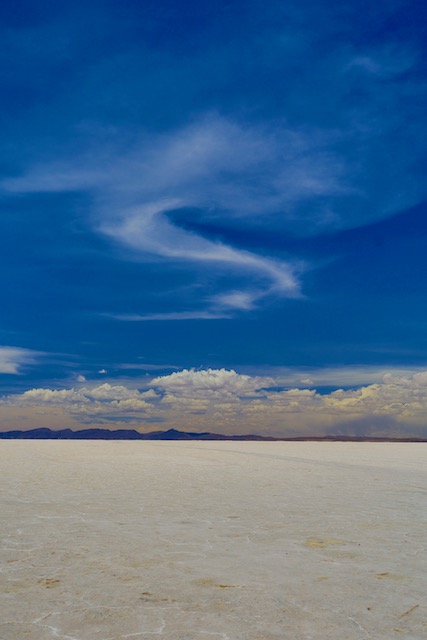
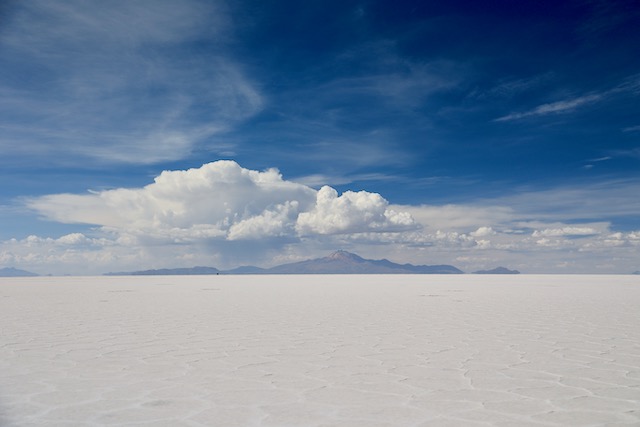
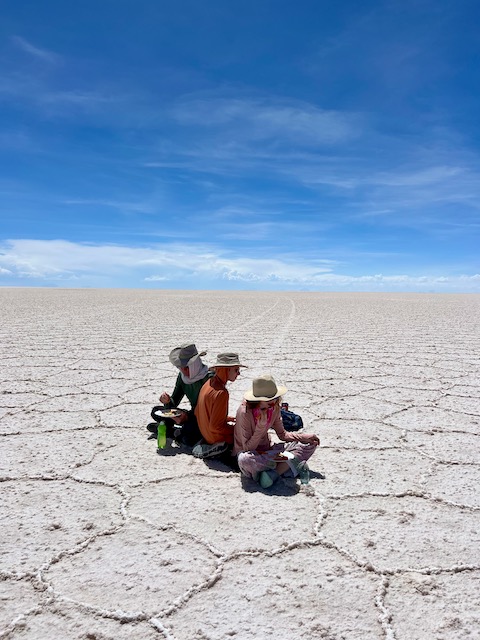
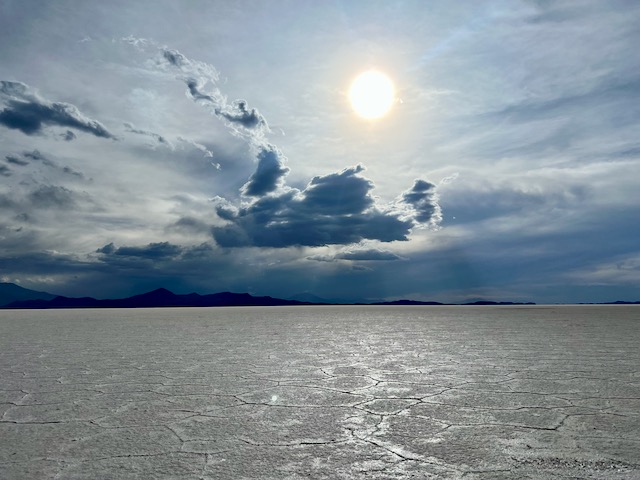
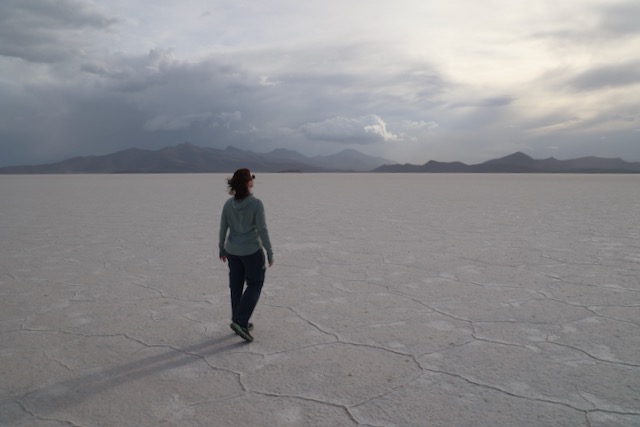
The next day we went off to one of the most unique wonders of the world, the Salar de Uyuni. Measuring an area about the size of Jamaica, This perfectly flat, dry lakebed is coated in feet of salt and is roughly 100 times the size of the Bonneville Salt Flats in the United States and about the same size as Jamaica. All you see after hours of driving is the stark contrast of the blindingly white sand and the dark blue sky above. It is so flat and featureless that the optics play tricks on your brain. Things that are close turn out to be far away, what appears uphill is actually level with you, and the sky appears dark blue due to the brightness of the high altitude sun reflecting off the pure white salt. After coating ourselves in sunscreen multiple times, wearing UV protective clothing, plus hats and sunglasses, we set off across this alien landscape. We first tried to find an area flooded with water, because when flooded the entire area becomes the world’s largest mirror. Unfortunately for us, the cloudburst water that was left had already been disturbed by tire tracks and didn’t allow us the complete opportunity to get the perfect mirrored photo the wet season can deliver. Our consolation was easier travel and other photo fun!
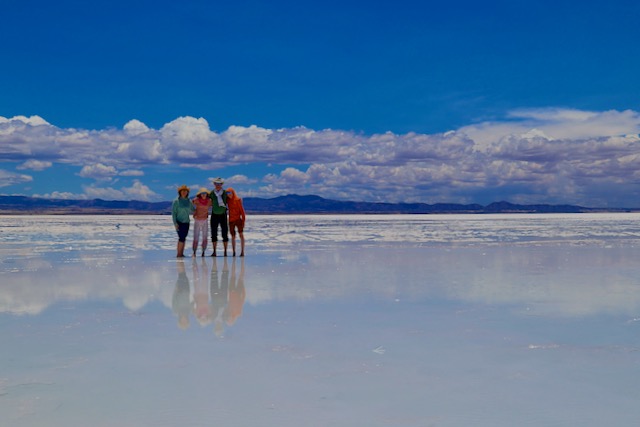
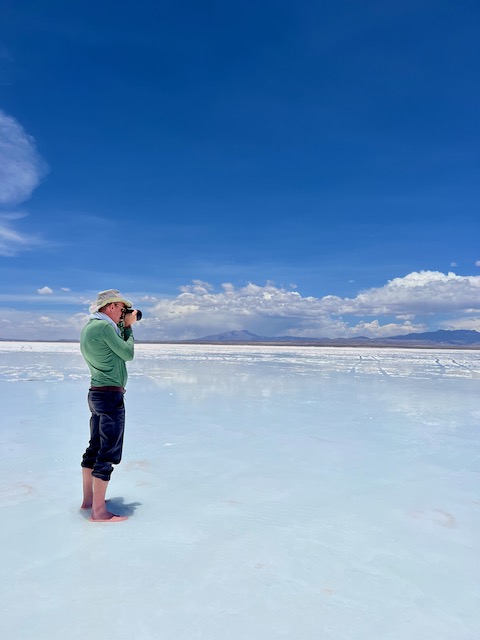
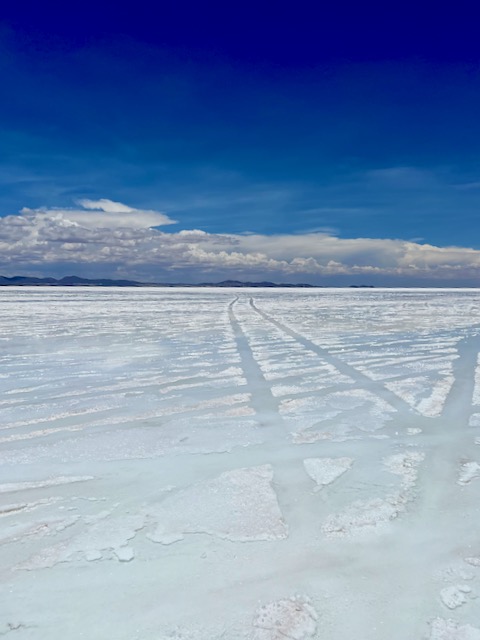
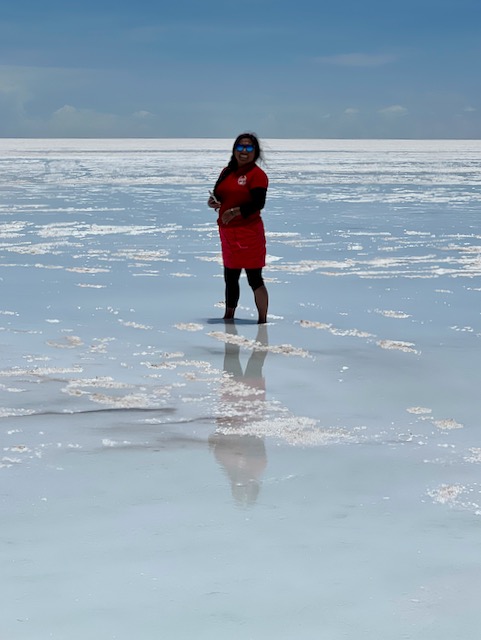

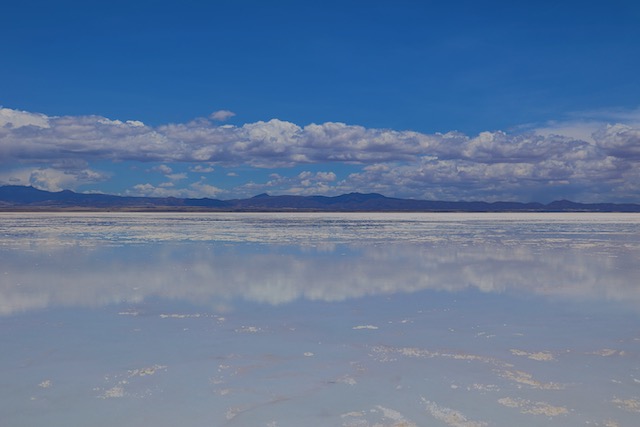
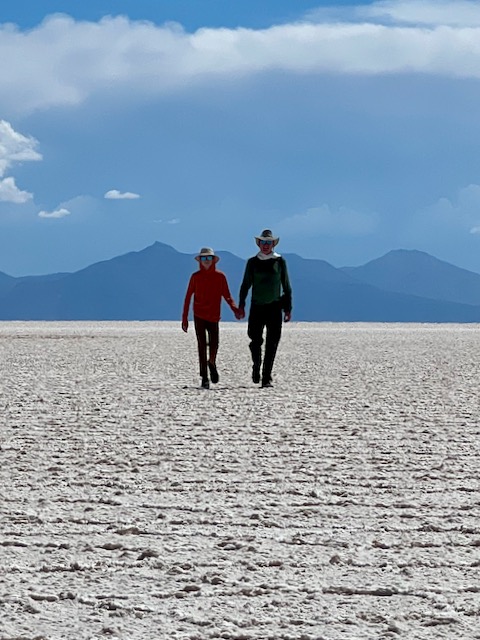
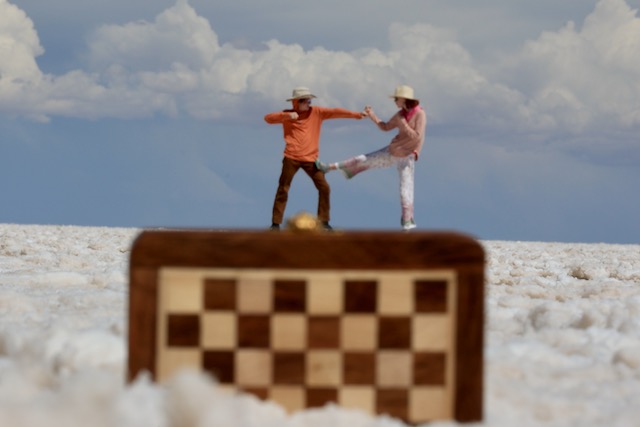
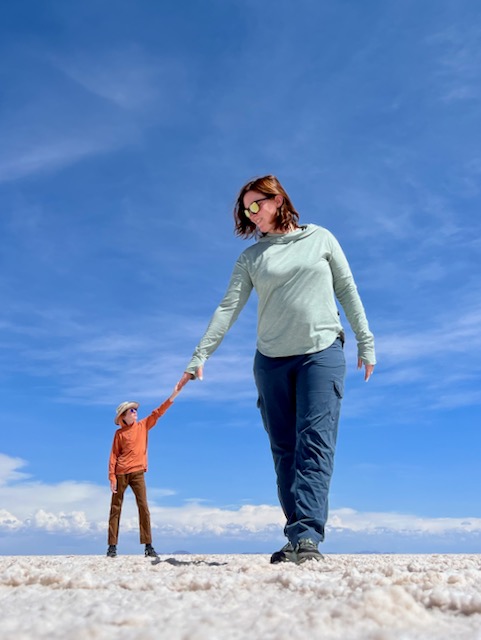
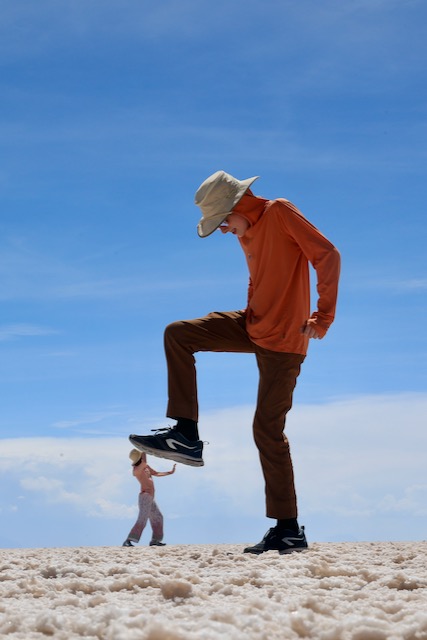
Next, we flew across the roadless expanse to find an untrodden spot to have fun with pictures. Due to the natural lack of perspective, photos can appear to shrink one subject in contrast to other subjects, a technique called forced perspective. Below Drew shares our photo shoot:
While we were at the salt flats we did some pretty fun optical illusion photos. Because of the salt flats’ endless horizontal landscape, it tricks the eye into thinking things are smaller than they are. We tried several ways of using this trick.

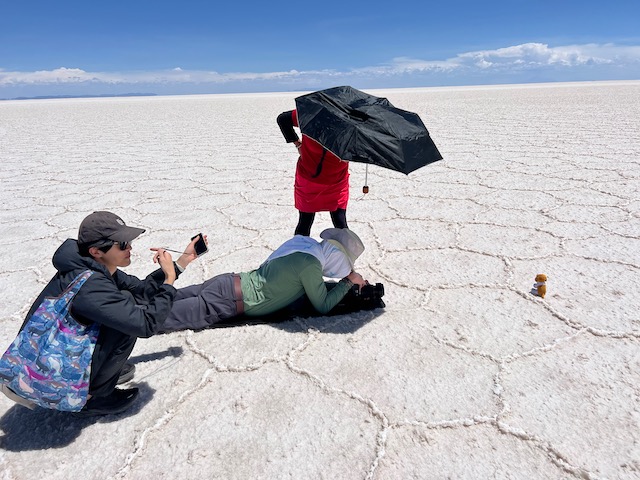
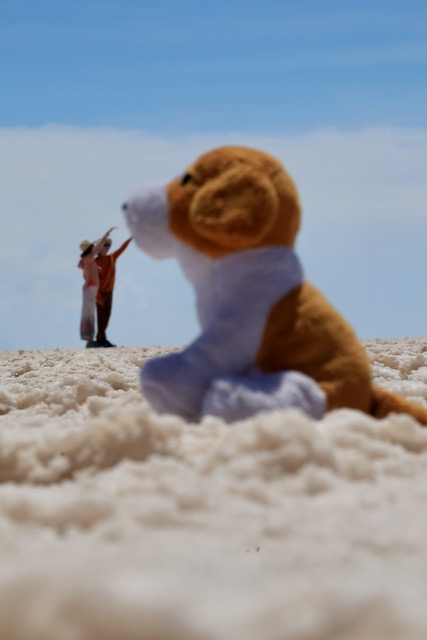
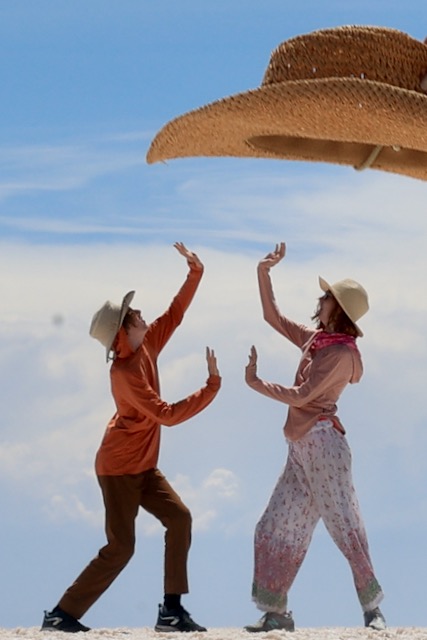
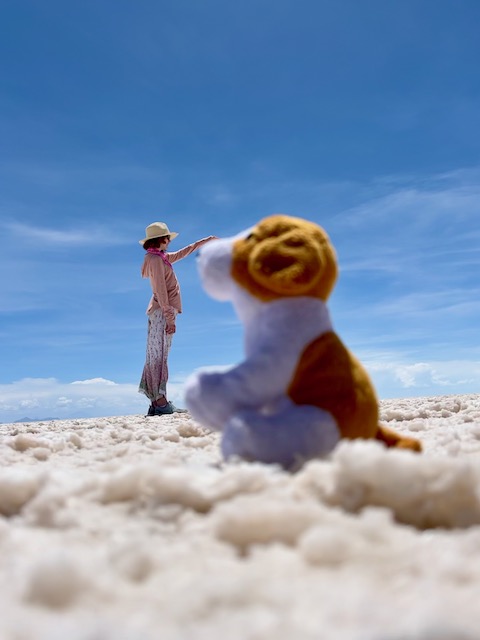
The first photos we decided to make were people and objects. We would put a small object on the ground with the camera close to it, then someone would run far away and make the object that was closer look bigger. We tried some really fun ideas: people skipping into a giant chip can, Gwyn and I petting a puppy the size of a car, us fighting a giant pop-it worm, and people battling on a huge chess board. It was extremely entertaining. Tip: use bigger props, it was tricky getting the focus right!
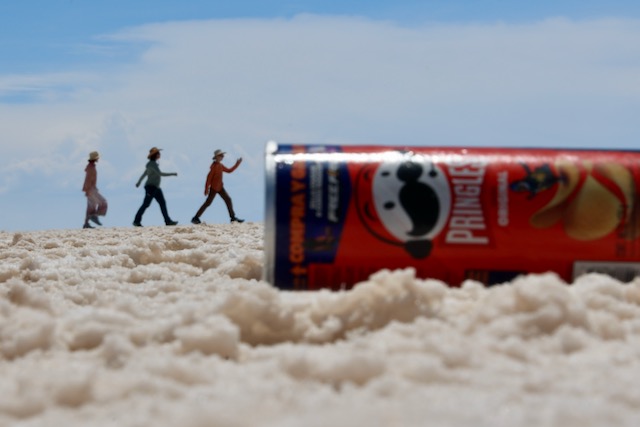
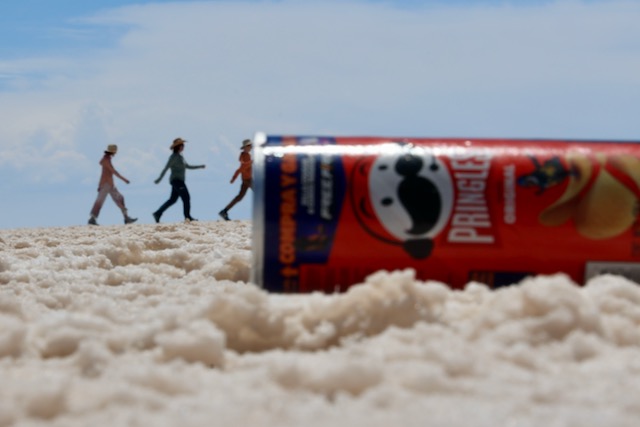
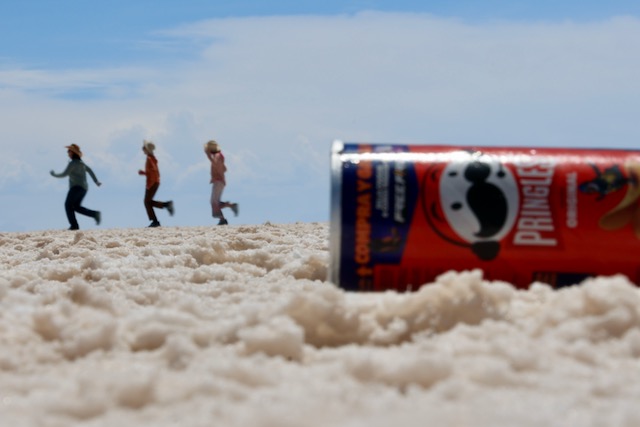
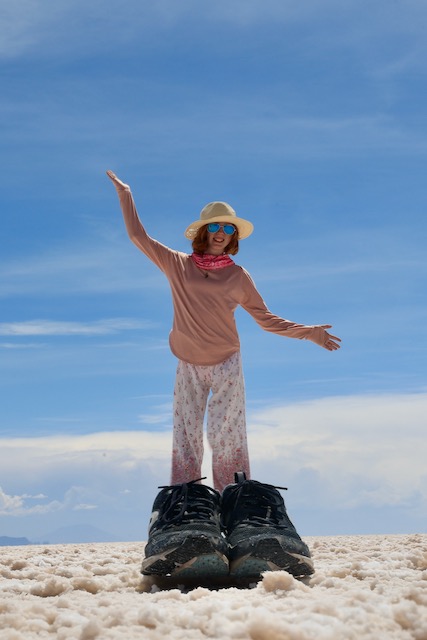
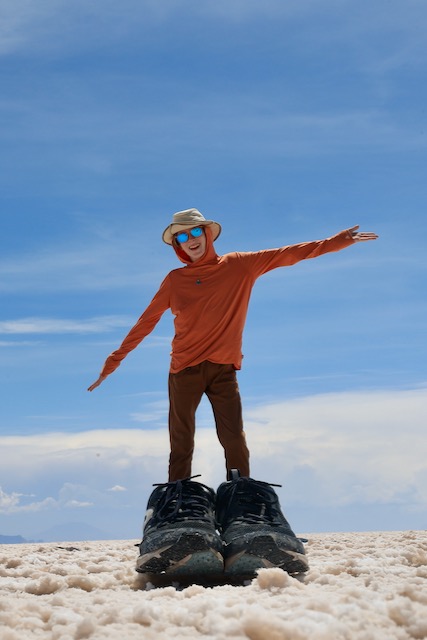
We also took fun photos with differently sized people. We made a nostalgic photo that made me seem like a toddler holding Mom’s hand, when in reality we are the same height now. Gwyn and I loved pretending to stomp on each other even though we were 20 meters apart. We even did a goofy set up with Mom pretending to eat a twin salad with a fork! I enjoyed shooting cool pictures, though it was hard to hold the pose just right.


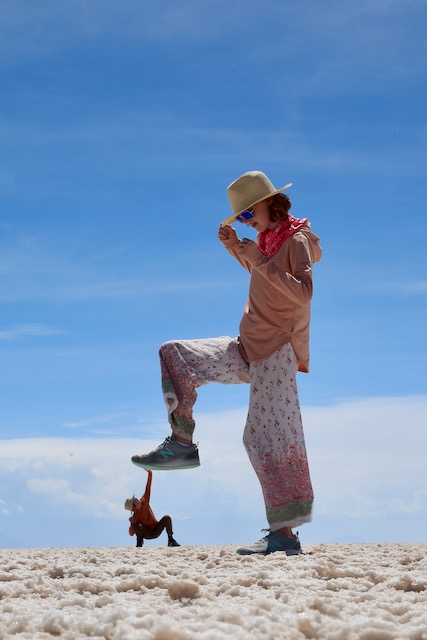
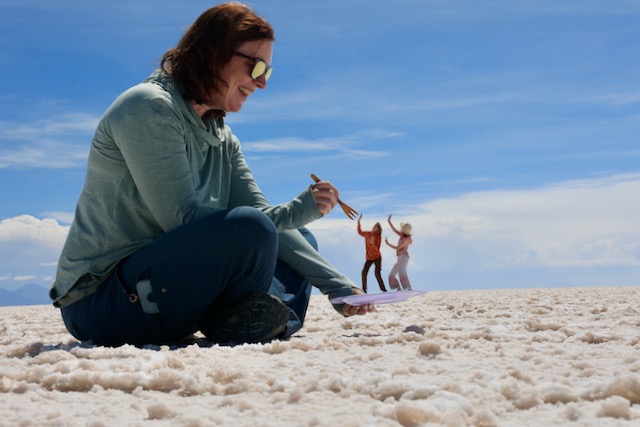
Later that day we drove to another spot and decided to do one last entertaining trick. This time we did a Timelapse video with our driver holding the camera and circling us six times. For each revolution the whole group did funny stances or movements. It turned out really good (click here for the Timelapse). Overall, it was a very fun day and I’m happy the way it turned out. -Drew
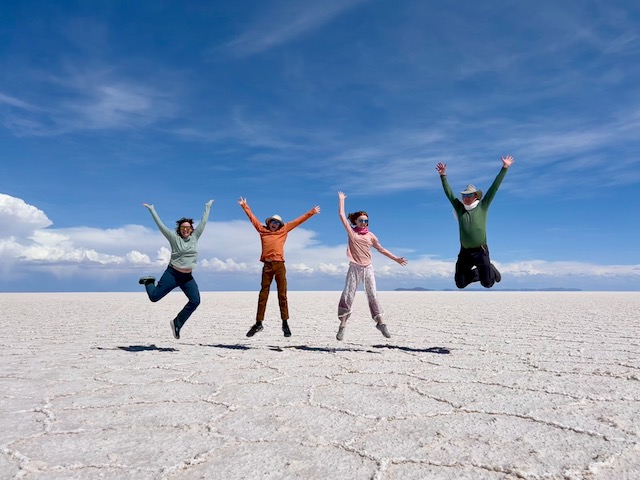
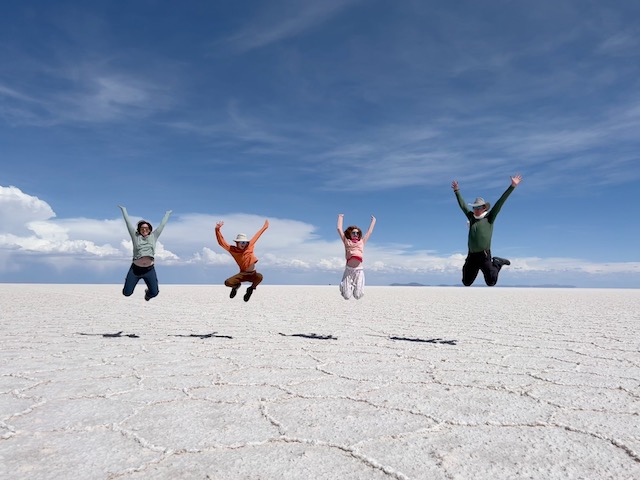
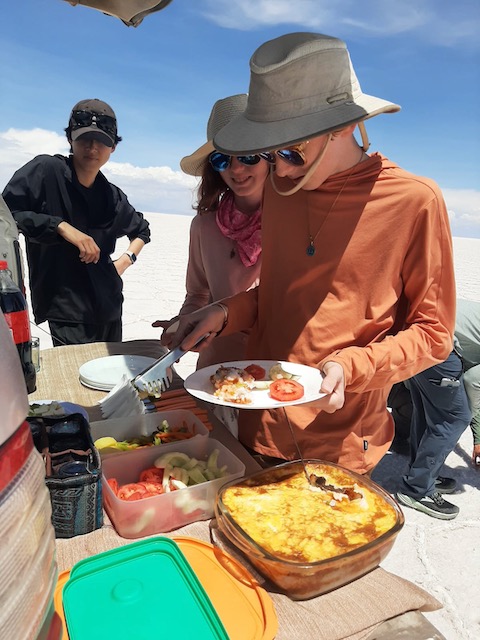
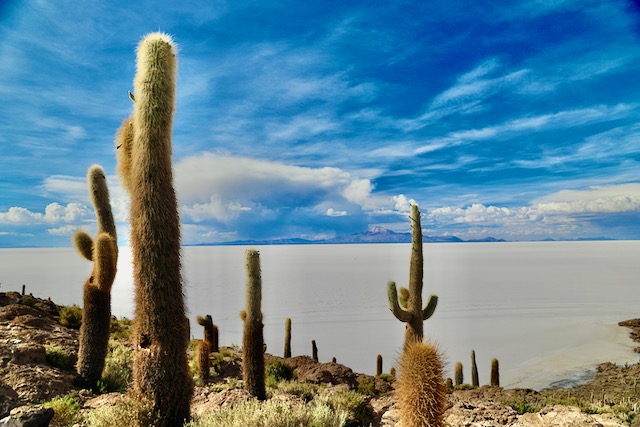
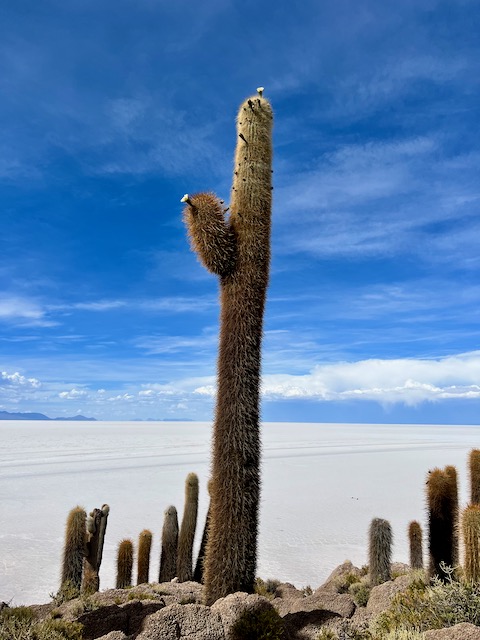
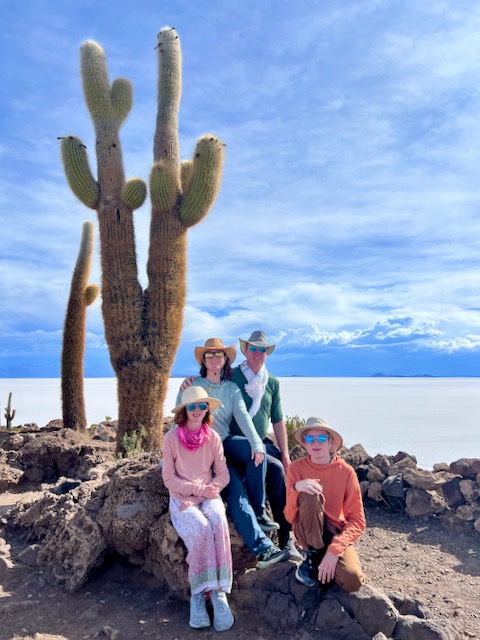
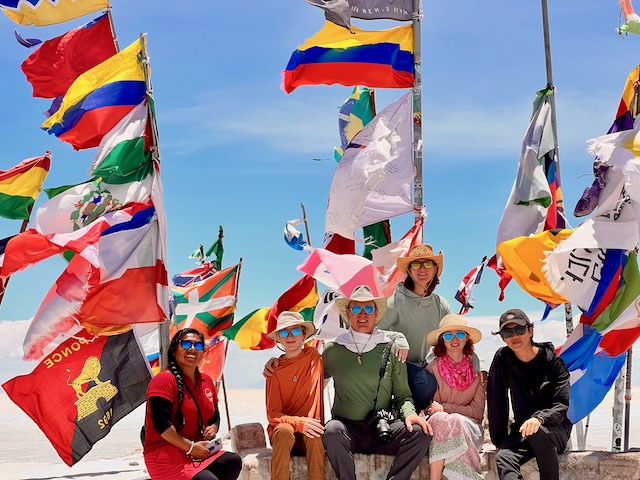
The rest of the day was spent driving on and exploring this other worldly phenomena. It was a new experience eating lunch sitting on salt and using that same salt to season our food. We stretched our legs by hiking on one of the rare “islands” that rise above the surrounding salt flats, and marveling at the life (birds, cacti, rodents) that somehow survive in such an extreme place. Finally we visited a monument with hundreds of the world’s flags brought by tourists.

We ended our day by sleeping in a very comfortable hotel made of salt bricks. In environments where there are minimal trees, it continues to amaze me what people use to build structures where there are no forests. We have now slept in caves in Turkey, thatch roofed huts in South Africa, an ice hotel in Sweden, and now a salt hotel.


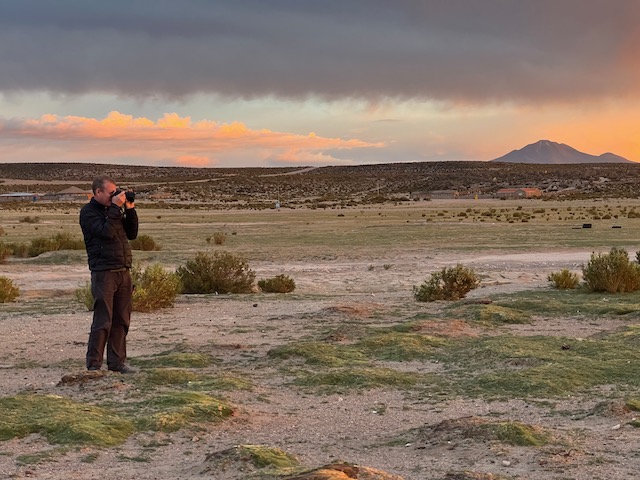
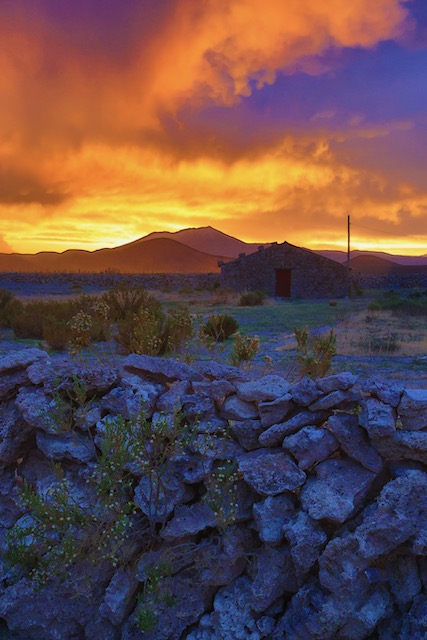
That night we were blessed by the final wonder of the day, one that we all can experience each day if we just slow down and look up. A beautiful sunset.
Thanks for reading to the end. Next up: Bolivia part 2: Atacama Desert Volcanoes, Uyuni Train Cemetery, Sucre Dinosaur Park! Don’t forget to check out our past stories and subscribe for future articles as well. Find us on Facebook and Instagram for bonus content! Please note that any links or business names provided are for information only, we did not receive any compensation for our opinions or recommendations. As always, if you are planning a trip to any location we visit we are happy to provide more details and opinions, so feel free to contact us!
 Vivid Travelers
4 responses to “La Paz and Uyuni, Bolivia”
This is such a fantastic post!! I’m sorry for your immigrati
LikeLiked by 1 person
This was really fun to read. Loved the photos. I’ll be following
LikeLiked by 1 person
Thank you!
LikeLiked by 1 person
I have never read something that made me feeling so thirsty for more…
rick.
Get Outlook for Androidhttps://aka.ms/AAb9ysg ________________________________
LikeLiked by 1 person