by Kate and Pete Barba
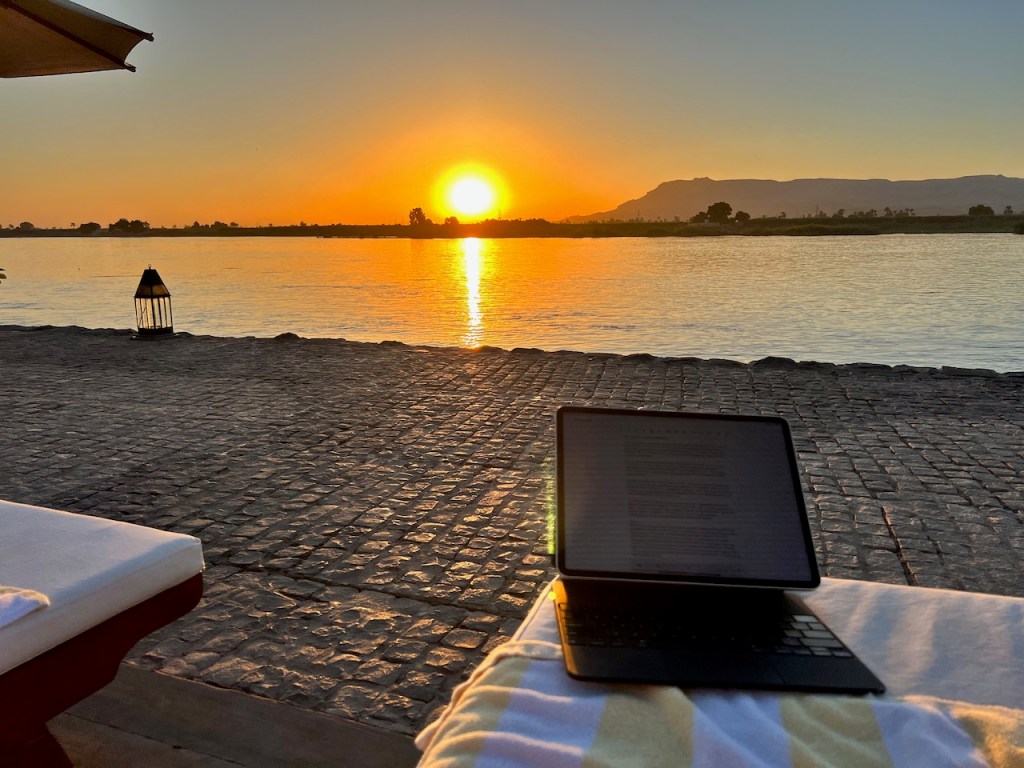
We were asked after our last planning article: “How do you decide what you will actually do in a new location?” Our answer was a brief version of this, but I thought you all would like to know too! We use a variety of resources to plan for a new place. Which you use will depend on what you need. Looking for a dinner restaurant? Want to find the best boat tour company? Are you making your wishlist, or need inspiration? Using a variety of the following sources will give you an edge in making the most of your travel time.
1. Guide books – Our go-to resource is the “Lonely Planet” series of guidebooks for the overall picture: what towns to visit, possible itineraries, and general advice about the country. They can also be helpful to find specifics about where to sleep and eat, as well as what activities are worth the money. In Europe, we also consult the guides by “Rick Steves” for his “off the beaten path” mentality.
Pros:
- The walking guides and museum tours in these books are very detailed and you can be your own guide, skipping things you don’t care about and getting more detail on those you do.
- If there is an activity you want to do, such as a boat cruise on Milford Sound, the recommended companies are a good bet. Time and again my “great find” is a top choice in Lonely Planet.
- The little maps of where the sights or activities are can help you decide where in town you want to stay. For example, if you like nightlife, check out the clusters of restaurants and bars and stay nearby.
Cons:
- Using guidebooks can backfire as the recommended places sometimes become the busiest and most overrun with tourists.
- Get the most recent edition and even then confirm that the restaurant or company is still in business. The pandemic caused a lot of permanent closures and guidebooks will take a while to update.
2. Food/Travel shows and YouTube videos – We love to watch travel-related shows like “The Amazing Race” or “Feed Phil” for inspiration on activities and food. We also watch (too many) YouTube videos on travel, especially those by “Kara and Nate” and “Lost LeBlanc”.
Pros:
- If you are unsure of a country, activity, or food, these entertainment shows are a “try before you buy” taste of what to expect.
- Videos can give you a feel for a location and city that’s hard to get from print. Their reactions can inspire you or even discourage you from visiting that location. Some places we wouldn’t have thought of became “must dos” after watching a show.
- They’ve done the legwork for you. When Phil visits and loves a restaurant, we know it’s a good bet! We have followed him to a cooking class in CapeTown, street food in Singapore, and great restaurants in Santiago and around the world.
Cons:
- There could be a travel style disconnect. Be realistic with yourself about what YOU like to do and see. A video of Kara and Nate conquering a challenging via ferrata can be inspiring, but if you will never get out of the lodge, maybe it’s not worth going there yourself.
- The budget may be unrealistic. Remember that travel is their business and they often get freebies or deep discounts to promote a place. Take it with a grain of salt and an honest look at your own budget.
- Temper your expectations. Just because you visit the restaurant doesn’t mean you will meet the owner or get the same personal treatment!
3. Social media – I am on Facebook and Instagram and find it VERY easy to find lots of inspiring photos and reels of just about anywhere you want to go. Join a group or follow a page and you will fill up your feed with photos of Swiss mountains, Costa Rican jungles, or Hawaiian beaches.
Pros:
- There are tons of beautiful photos to inspire you and maybe some clues about where to go or what to see.
- Social media is a place you can share your experiences with family and friends who may never travel there themselves.
- Helpful articles, links, and blogs can be found on social media, using a photo to catch your eye. (Like this one!)
Cons:
- If you like to be surprised or don’t want to follow the crowd, consider staying away from social media or even using it as a way to know where not to go!
- “Instagram famous” places seem to be overrun with people trying to take the same picture. The posing and props in places like the Acropolis and Cappadocia was funny and a little bit annoying.
- The photos are rarely as good as they seem, because you can’t see what’s outside the frame of the picture. For example, the Great Pyramids are surrounded by hotels and restaurants.
4. Google Maps – This surprising source has become one of our favorite places for organizing the day and also to find reviews. Google Maps is used more than Yelp internationally, and has very similar information.
Pros:
- I search for places I want to see (a temple, a market, a museum, a park) and “save” them with a flag. Later I can group activities and restaurants by location and plan a day with less back and forth travel.
- Reviews are current and come from a variety of people (across ages and cultures) so you get a good overall picture.
- Menu, hours, and links to websites are often provided so you can find more information easily.
Cons:
- A map view can be deceiving, especially in hilly cities. Once you’re there you may need to modify your plans based on what you are actually seeing and experiencing.
- A place with good reviews may be empty once you get there, so sometimes you need to decide on the fly if you still want to eat there. Sometimes your schedule is just earlier or later than the usual mealtimes of that culture.
- Reviews are subjective and ratings may not tell the whole story, so look for a high number of recent reviews for increased accuracy. Keep in mind that you may disagree based on your own tastes and preferences.
5. Friends and Family recommendations – If you have friends and family that also travel, they can give you ideas and suggestions on how best to spend your time. I always appreciate a review saying “don’t waste your time” or “not to be missed”, but I really believe it when it’s someone I know.
Pros:
- It’s a trusted source. I’m excited to visit the places my college friend recommended in Japan….she lived there for a long time and has a local’s perspective.
- If they have good records (or memories) they can give very specific details and save you time.
Cons:
- Watch out for budget and travel style disconnect. Maybe you don’t like museums or dance shows. That said, keep an open mind!
- You might feel pressured to take their advice, so be careful who you ask and don’t make promises you don’t intend to keep.
6. Guided tour itineraries – My secret weapon for a completely new and unknown place is to “borrow” ideas and itineraries from trusted tour companies. For example, Intrepid Travel works hard to research and approve activities and providers. Plus, we know their style lines up pretty well with ours. Even if we’re not planning to take a tour, I will go online and look at all the itineraries for the area and pick and choose what appeals to me.
Pros:
- My research is reduced since they cover all the highlights and even a few unexpected gems.
- I can judge how long each activity takes based on how much else is planned for the day.
Cons:
- Some of the special activities are pre-arranged with the tour company and may not be available to the general public.
- Specifics like which hotel and show they use are often not available.
7. Trip Advisor/Airbnb Experiences/Get Your Guide/Viator – We’ve used these services a few times to find providers for an activity we’d like to do. For example, we wanted a tango lesson in Buenos Aires and could compare many choices on Airbnb Experiences. We used Get Your Guide to find a half day walking tour in Athens that was a great introduction to the city.
Pros:
- Many companies use these websites as their main marketing strategy, so there’s often a lot of choice.
- If you already know what you want to do you can compare providers all in one place and in one format.
Cons:
- In my opinion this isn’t a place to learn about an activity or decide if you want to do it. They are advertising, not informing.
- The reviews can be helpful, but you don’t see as many negative opinions.
- It’s hard to know if you’re getting the best deal. I recommend using a company’s direct website for booking when possible.
8. Popularity – If a restaurant is busy, especially if you see locals eating there too, it’s a safe and delicious place to grab a bite. If there are already a lot of hotels, restaurants, and shops nearby, it’s a generally a safe place to be at night and a good neighborhood for wandering. Following the crowd is not always a bad thing.
Pros:
- Locals know if the quality and safety are not what they should be. See if you can distinguish them from the tourists!
- You can choose a place without reading a review.
Cons:
- It might be an overrated new hotspot that doesn’t live up to the hype.
- By definition it is busy so you may need reservations.
9. Ethical/charity shops and activities – You are voting with your money, and the choices you make affect the tourism of the future. Try to find souvenir shops that benefit local artists, not bulk production from overseas. Tour with companies and non-profits that give back to the communities and take care of the environment. Never support activities that exploit people, animals, or the Earth. (We will talk about this more in a future article.)
Pros:
- You can shape the future of tourism, and the planet, by purchasing from businesses and non-profits that align with your beliefs. If you don’t like high pressure sales of plastic items, don’t buy them! If you like to see elephants behaving naturally and being treated with love, visit a rescue sanctuary.
- You can feel good about your choice and treasure your unique souvenir and/or memories forever.
Cons:
- Ethical and local shops often cost a bit more because the quality and individual attention take more time and better materials.
- They might be a little harder to find than the corner tourist shop, but keep your eyes open, they are there.
10. Volunteer Destinations – Many people are using their vacation time to educate themselves about an issue and work to improve the world. If you have a cause that is close to your heart, find a matching organization and consider volunteering for a week or more. A new friend recommended International Volunteer HQ as a possible starting point. We will also talk about our volunteer experience in a future story.
Pros:
- You can make a difference for your chosen charity with your money, labor, and advocacy.
- You will meet people who also care about your passion and form long-distance friendships.
Cons:
- You might come home tired, but your soul will be rejuvenated!
- Your heartstrings will be pulled, but your outlook on life will be expanded.
For us, they key to planning our itinerary is to have lots of options but not over-plan. We have a limited budget and we have to homeschool the kids. Often we only get to half of what most people would usually see on a vacation. That is offset by going at a pace that is sustainable and taking the time to enjoy the location without rushing around all the time. We also make sure to prioritize and pre-book the important activities and restaurants. Then, if there’s time and energy, we can add to our itinerary from our list or stay open to spontaneous finds along the way.
What did we miss? How do you like to plan? Comment below or on Facebook and as always we are happy to hear from you via messenger or email.
Thanks for reading to the end. Next up: Cambodia! Don’t forget to check out our past stories and subscribe for future articles as well. Find us on Facebook and Instagram for bonus content! Please note that any links or business names provided are for information only, we did not receive any compensation for our opinions or recommendations. As always, if you are planning a trip to any location we visit we are happy to provide more details and opinions, so feel free to contact us!
 Vivid Travelers
3 responses to “10 Ways to Plan Your Travel Itinerary”
Well, I did read it all, and it made my brain hurt. 😁
A lot of it I knew and we did some of it long ago, before internet. We watched for where the locals are for example. And we did “Europe on $5 a day in the early 70s. But it was more like $5-10 each. We had a tight budget,,and the privy sometimes had a queue, but it was fun.
☀️🌲💕🦋 Mom
LikeLiked by 2 people
I’m sure I learned a lot by watching you and Dad! Google Maps has replaced Triptiks (those flip route maps) from AAA sadly. I want to hear more about economizing in Europe, it’s not easy!
LikeLike
Thanks for sharing this idea. Anita
LikeLike