by Kate Barba
My family lived in Japan when I was a baby because my dad was in the Navy. I’ve always had a nostalgic, maybe even romantic, idea of Japan. I grew up with gorgeous Japanese furniture and decorations in our home. My mom even made delicious Japanese dishes once in a while. It felt so exotic, and even though I didn’t really remember it, I’ve always felt a little exotic because of that family history.
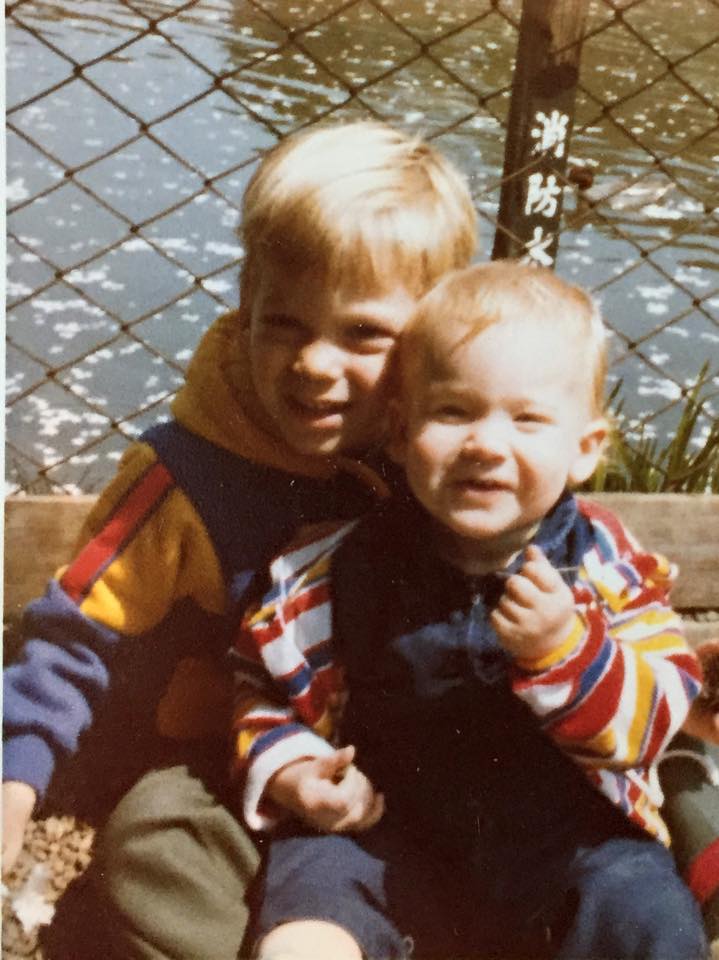
Why did it take me so long to come back? For starters, Dad’s military assignments had us living in the US the rest of my childhood. For vacation, my family of six tended to travel by car to visit family and US National Parks instead of far flung countries. Once Pete and I started traveling internationally we still didn’t go right away, eventually deciding to “save” it as an easy country to travel to with the kids. Perhaps we also held off because it has a reputation as an expensive country. In fact, we might not have included it this year if not for Tokyo Disneyland!
Well, we now regret that this was our first trip, and are already planning to return to see more regions and different seasons. The beauty of Japan, the sweet people, and the fascinating culture and history make this Pacific neighbor one of our new favorites. Yes, it’s expensive, but no more than California or Europe. Japan is closer to us than Europe, and the four season climate is comfortable for Pete and I as former New England natives. If you are looking to ease into international travel, Japan is both exotic and organized, making it an ideal place for a first trip to Asia.
Planning
Planning our three weeks in Japan was a daunting task for me, an anxious decision maker. First, there are so many places! Tokyo for Disney of course, but where else? More choices haunted me the deeper I looked. Where do you stay in a city as big as Tokyo or even Kyoto? Is the Rail Pass worth it? How do you know what train to take and when? Which of the dozens of shrines do you make time to see? Museums? Theaters? Restaurants? Aaaaackkkk! Even Lonely Planet couldn’t help me to decide.
Luckily, I have a college friend who lived there for 25ish years and was happy to help. She suggested Nikko, a World Heritage area in the mountains, and walked me through many other day trips and sights to see around our two major bases of Tokyo and Kyoto. Lonely Planet and Japan-Guide.com helped explain details, but I relied on Eleanor’s experience even more. Planning and deciding blind is hard, so please reach out to us to help you make the hard choices! I finally pulled myself together and made some hard choices.
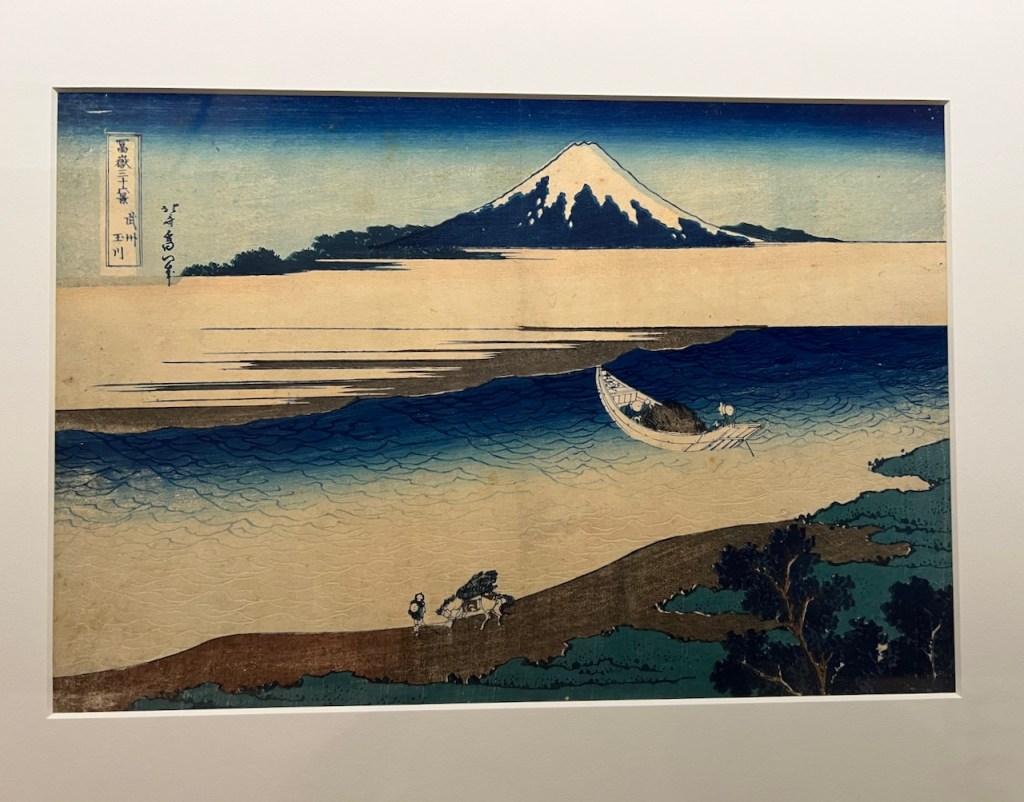
from Thirty-Six Views of Mount Fuji by Katsushika Hokusai
We left Disney Tokyo and ventured into a new world of public transportation. Up until now in this year we have relied on taxis, walking, or a rental car. For four people these choices often make sense. However, the prevailing opinion on Japan is that the extensive rail systems are the best way to travel, especially in cities. So, armed with my obsessive reading about the rail systems, we dove in.

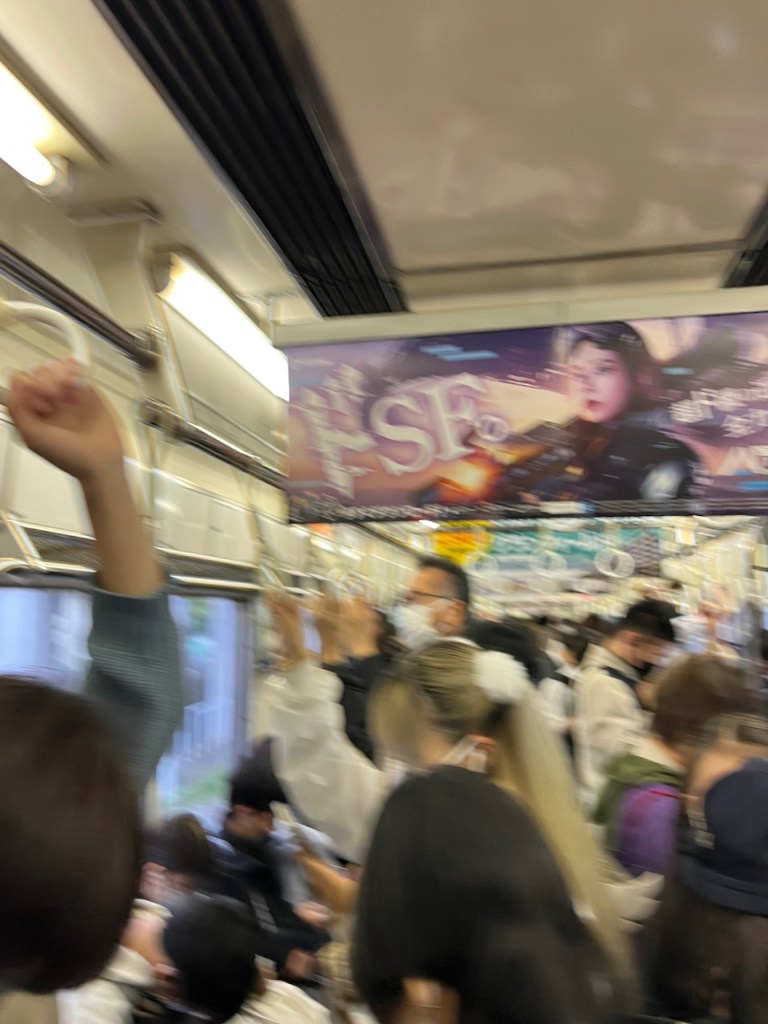
We had two train passes most of the time. Japan has many rail companies, but they also have pre-paid fare cards that work across all lines. Our IC card could be recharged at stations everywhere and required just a tap to get in and out of the stations. (Maybe that’s not novel for you city types, but it was impressive to me!). Our second pass was a two week Japan Rail pass that only worked on the JR lines, but, once purchased, were all-inclusive for either a 1, 2 or 3 week time period. The JR pass is expensive, but if you plan to make several day trips or travel to several regions, especially on the super-fast Shinkansen (bullet) trains, the cost balances out. Learn more and calculate your trip here. Our IC card filled in the gaps when a JR train wasn’t available, and during the week plus we didn’t have the pass. One tip: if you do decide to get a JR pass, find accommodation near a JR station. Despite being steps away from a subway station, we often walked 15 minutes to and from the nearest JR station to use our passes.
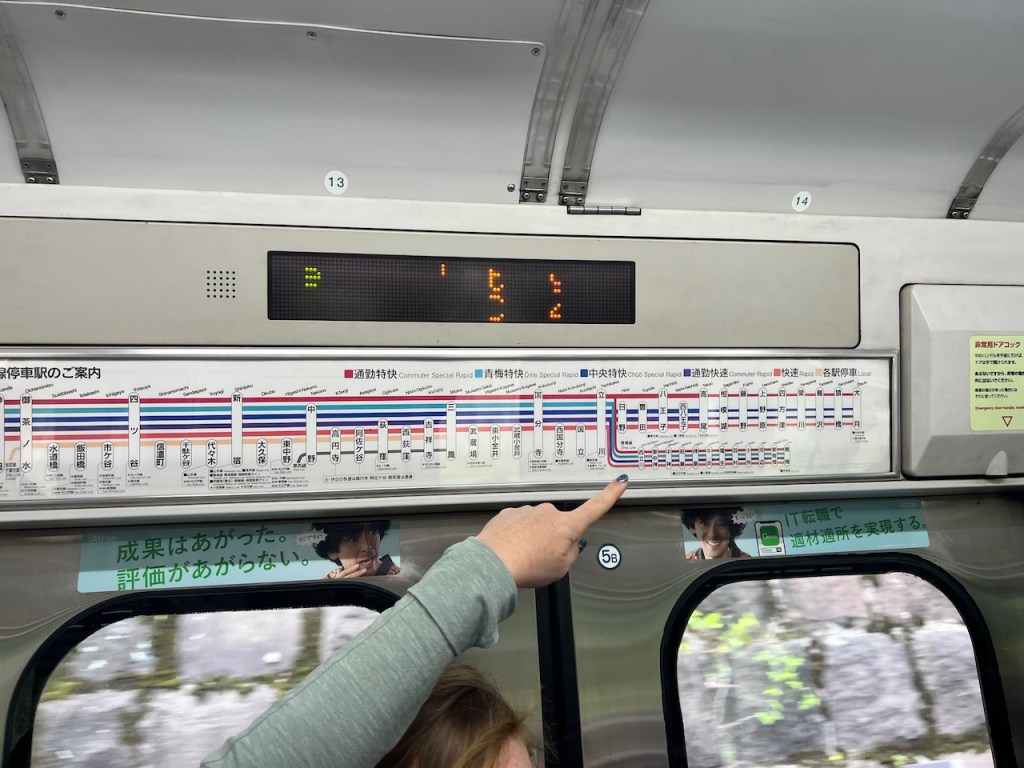
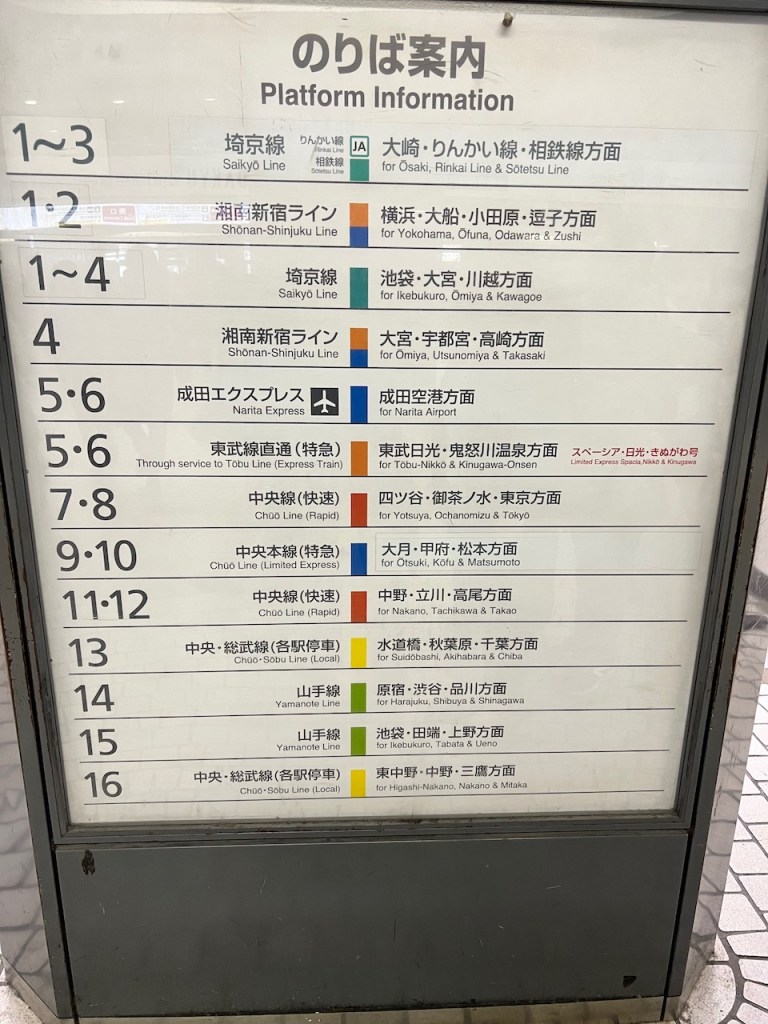
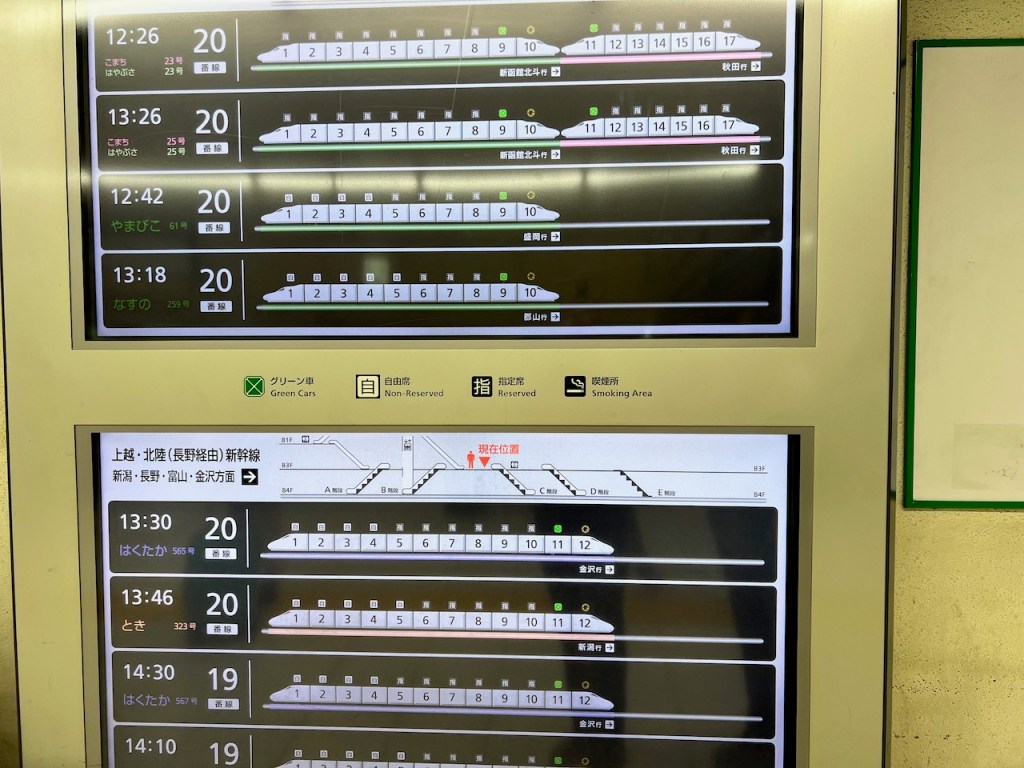
I’ve said it before and I’ll say it again. Thank heavens for modern travel technology! Without Google Maps it would have been insane to plan all the possible routes, fares, trains, stations and platforms on the hundreds of rides we took. Google maps knew when each train was scheduled, almost always what platform, and the myriad ways to get from point A to point B. Highly recommend! English signage was also everywhere, though the staggering possibilities of train lines, types of cars, and platforms at some stations made for an adventure every time.
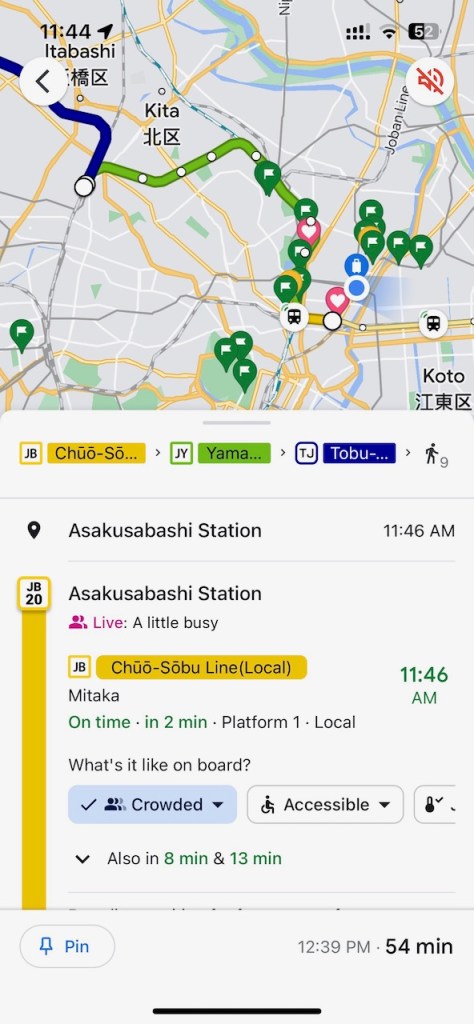
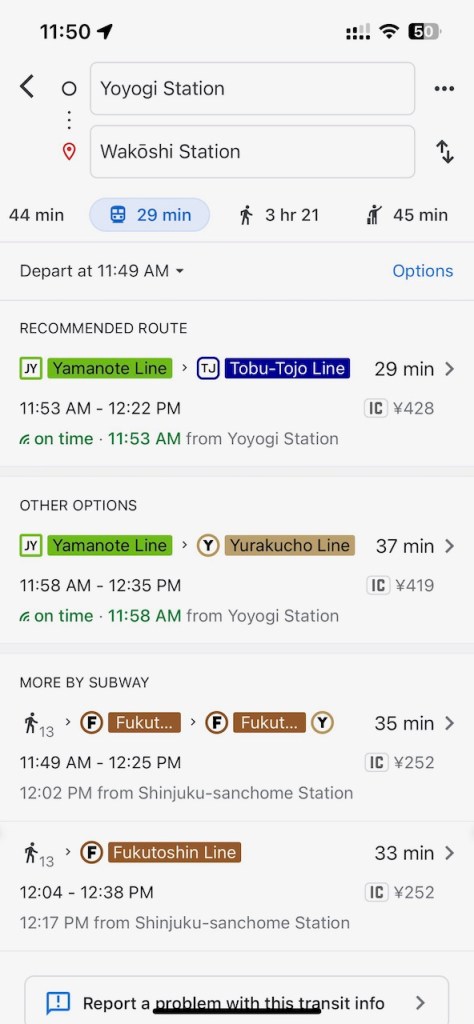
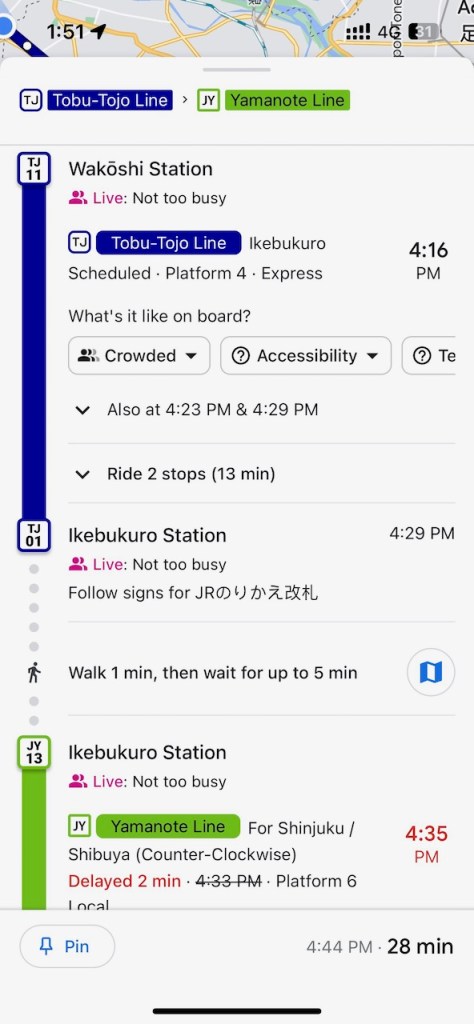
platforms, station numbers, cost, alternatives, and current status!
Tokyo
We stayed in a nice budget hotel/apartment I found on Airbnb and explored the city. We visited the pop art/anime/manga area called Akihabara, the neon-lit mega-crosswalk at Shibuya Crossing, the neighborhood markets, the famous fish markets, and the city parks.
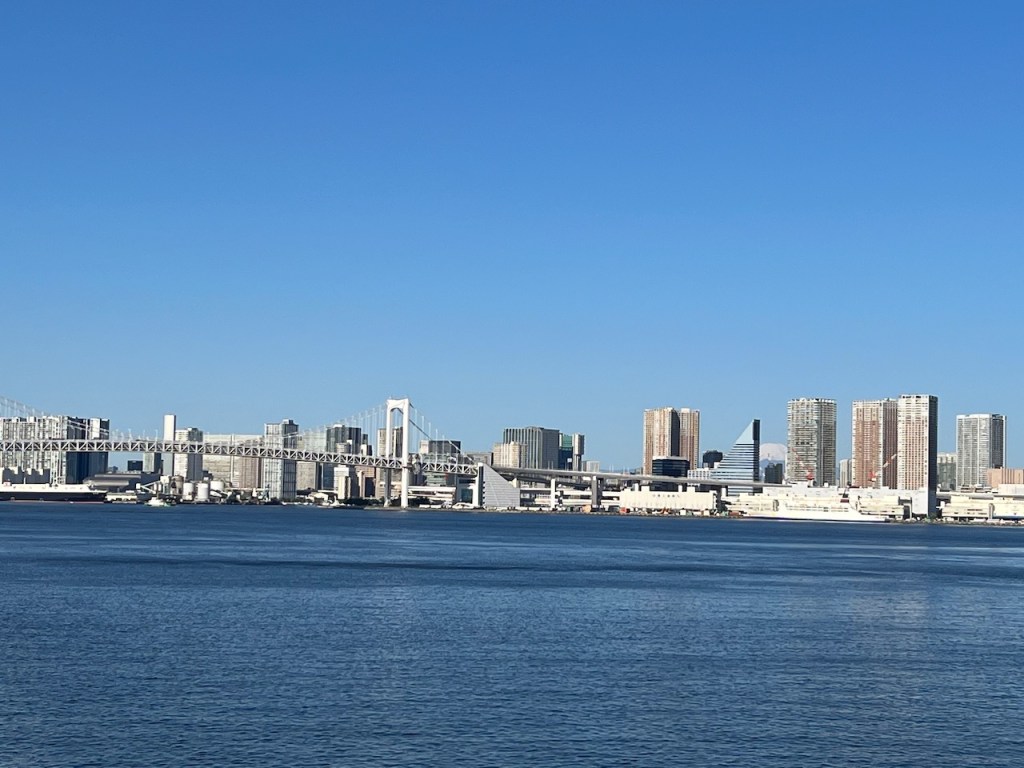
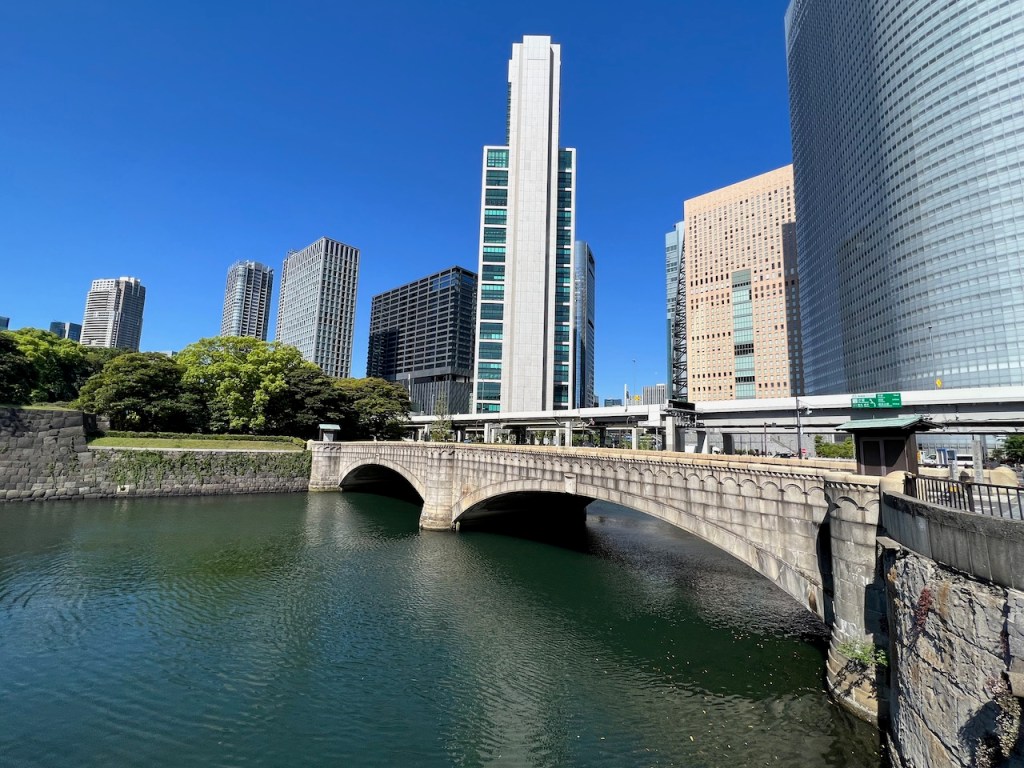
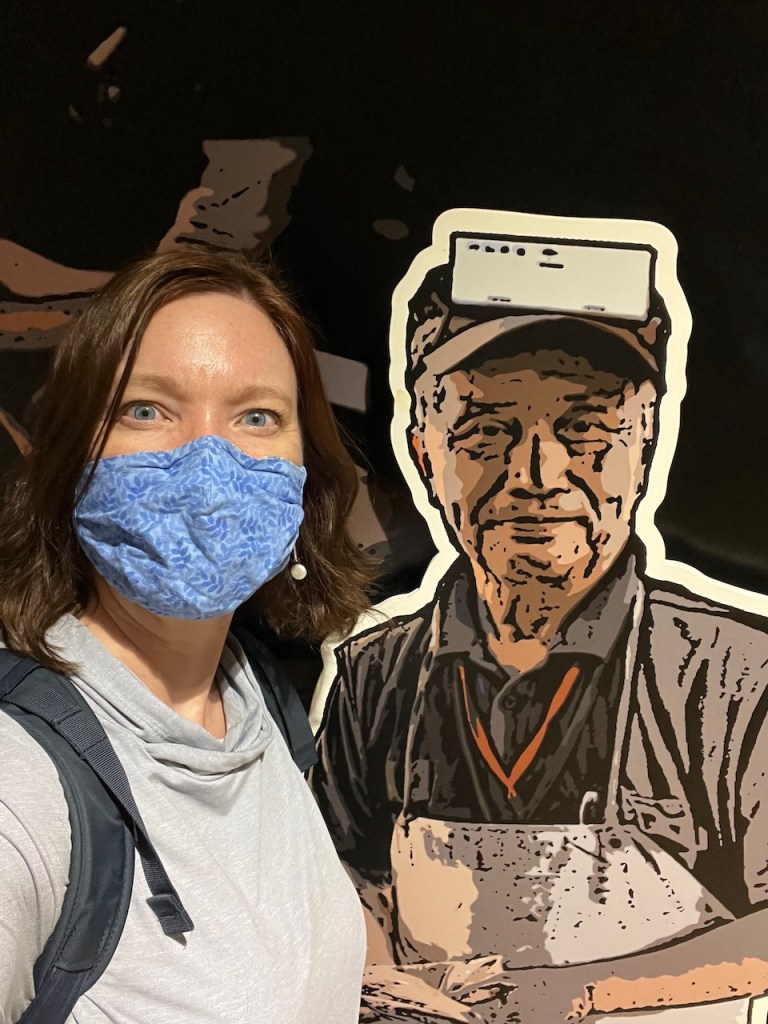
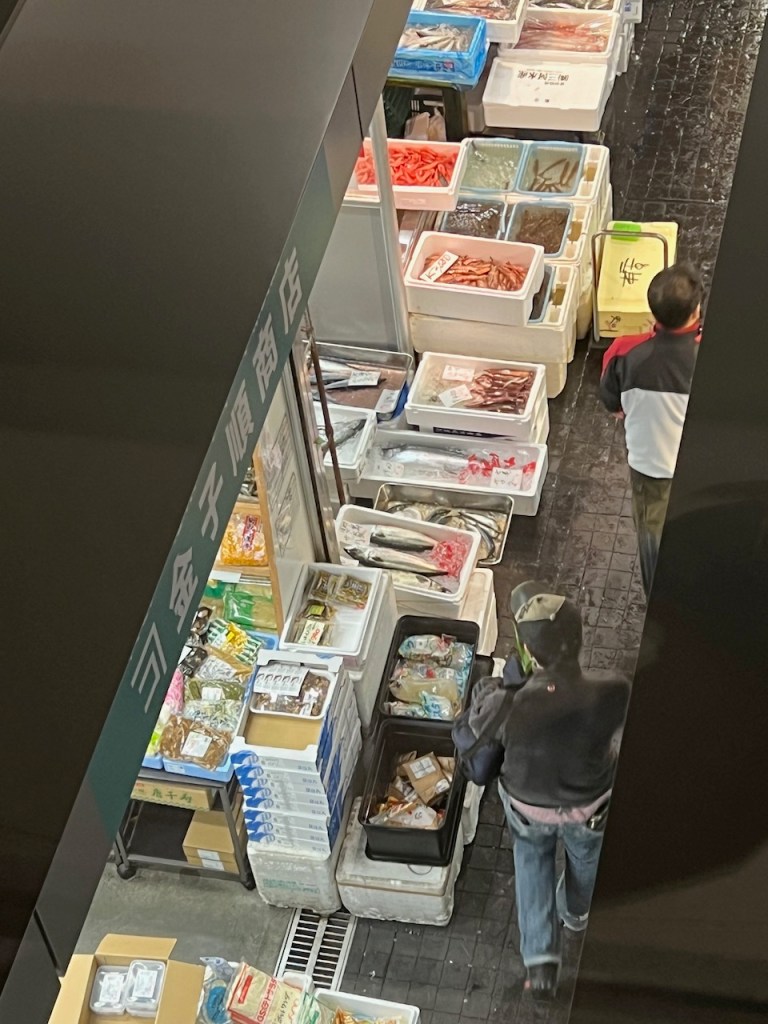
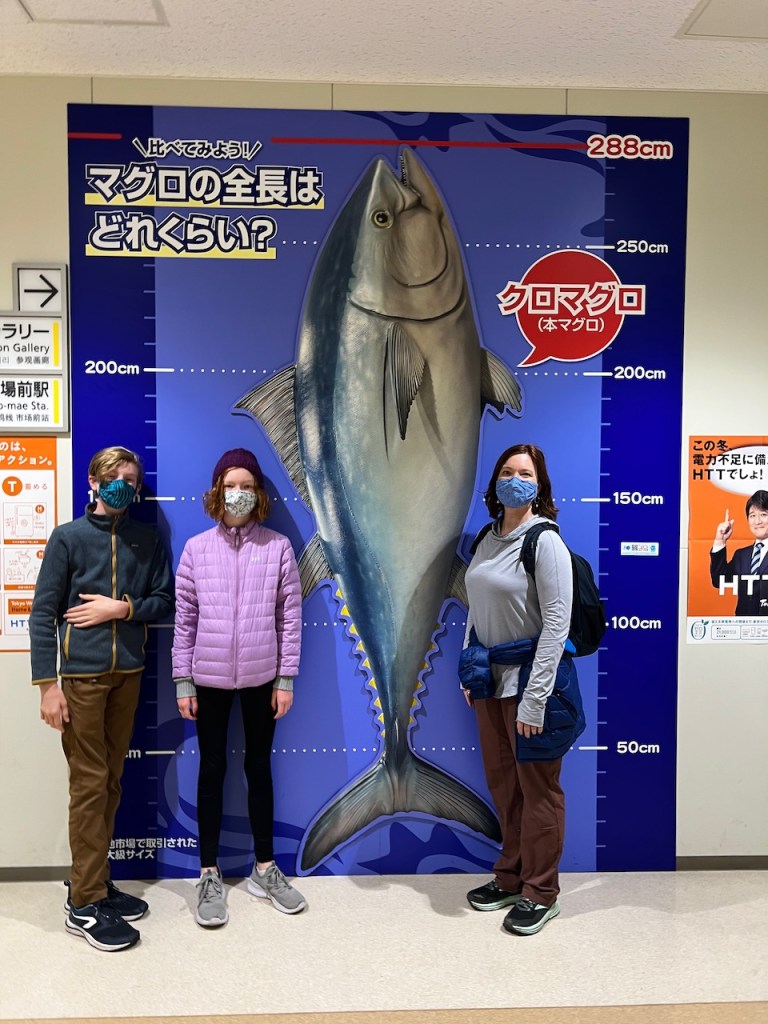
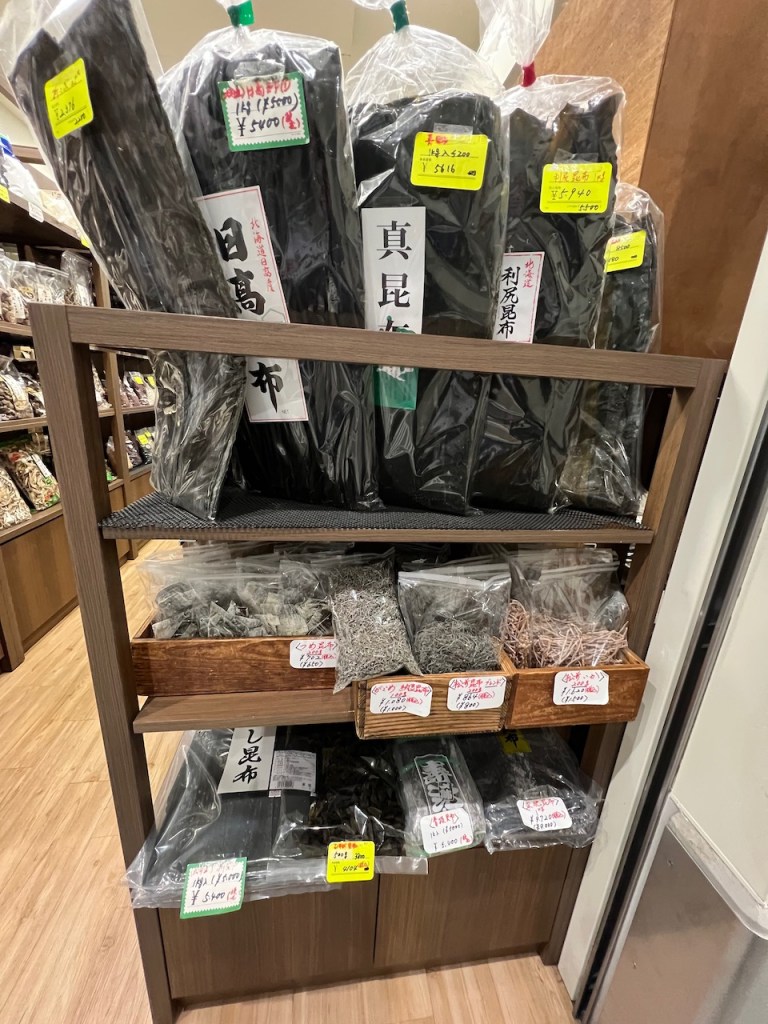
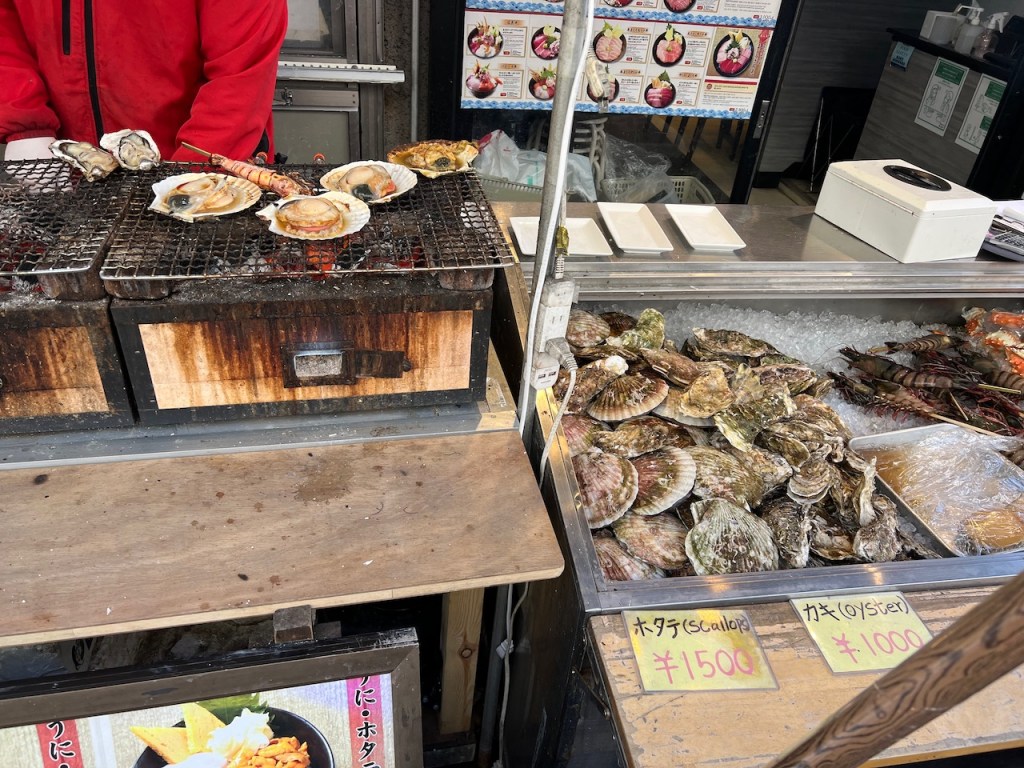
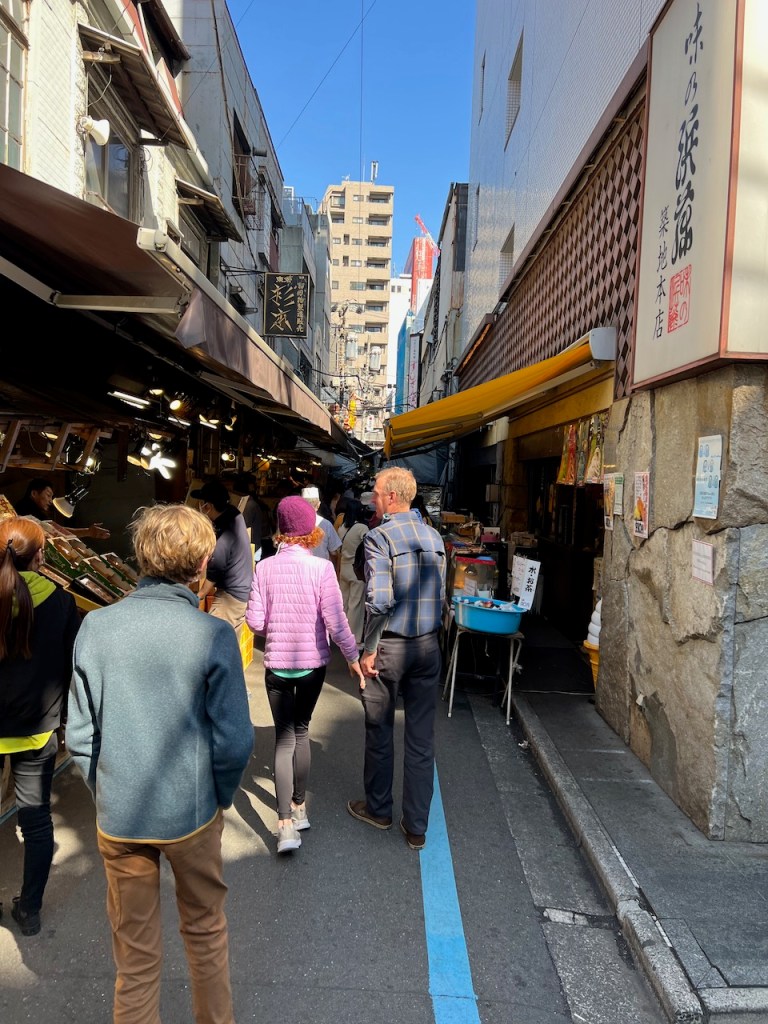
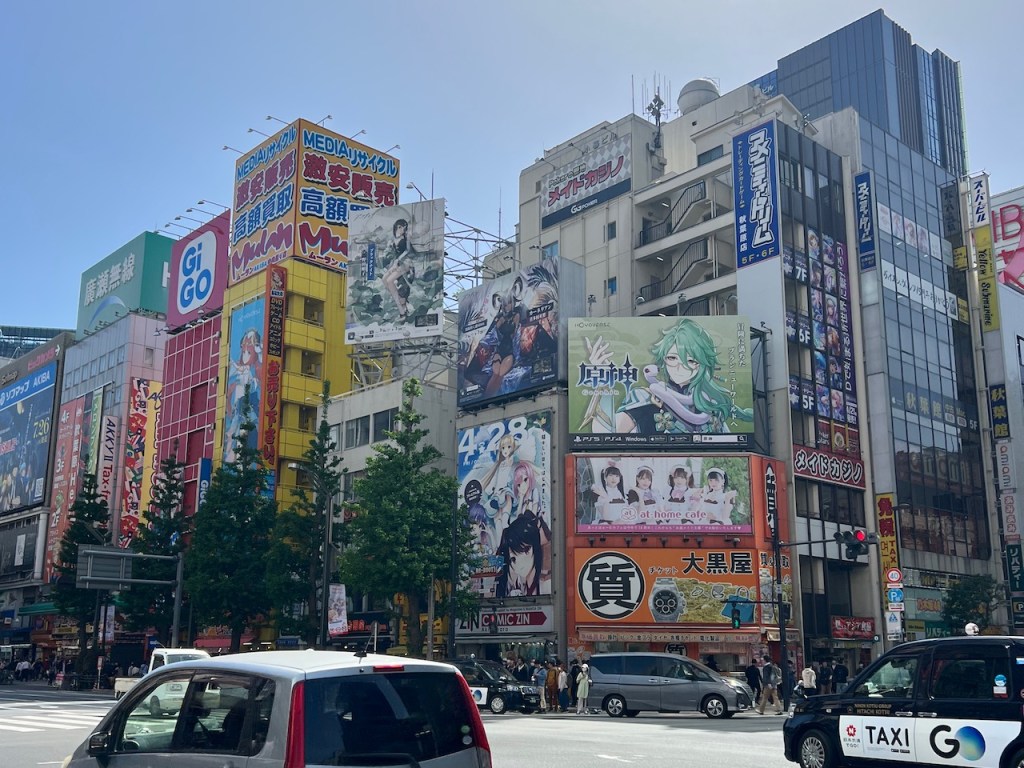
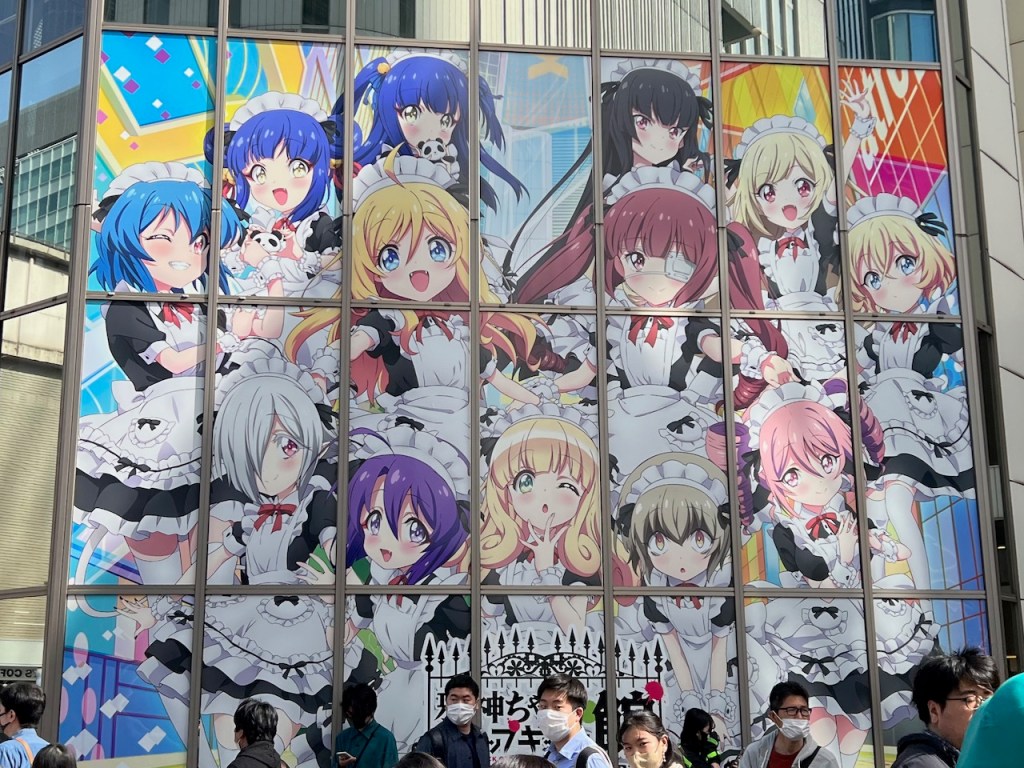
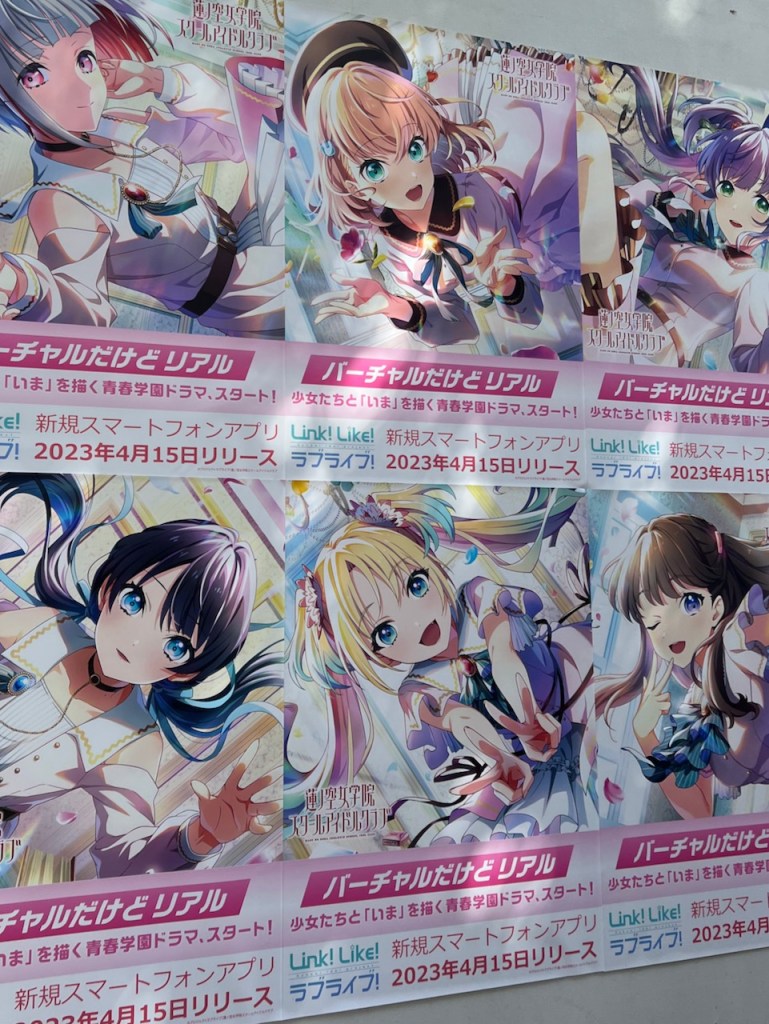
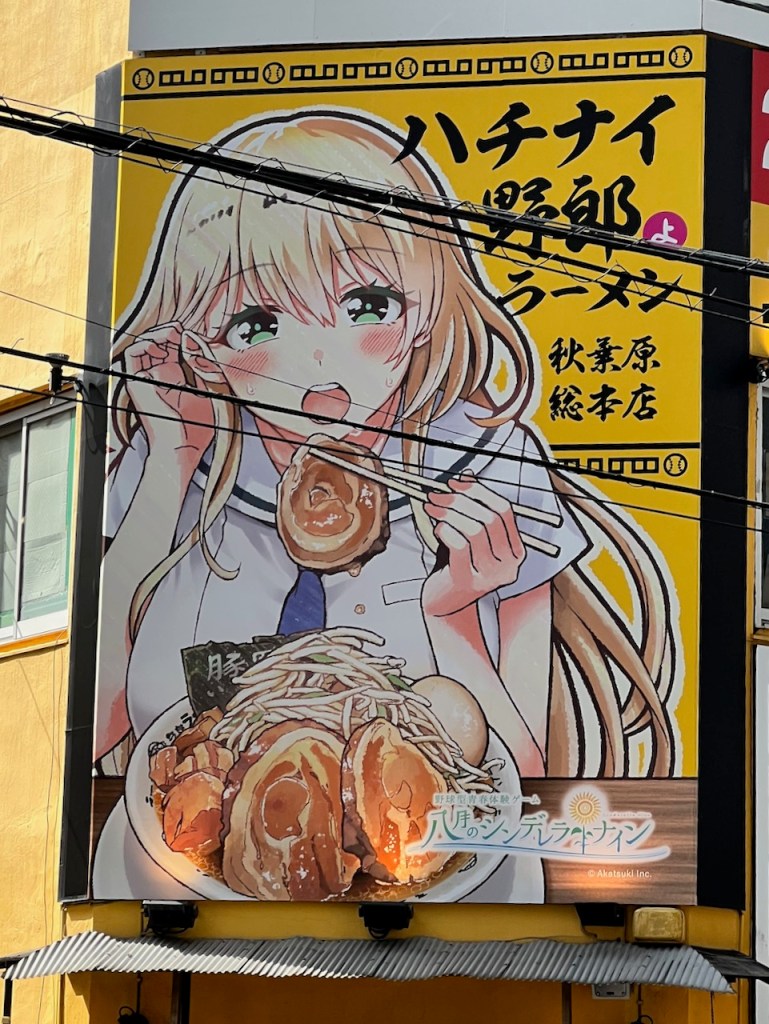
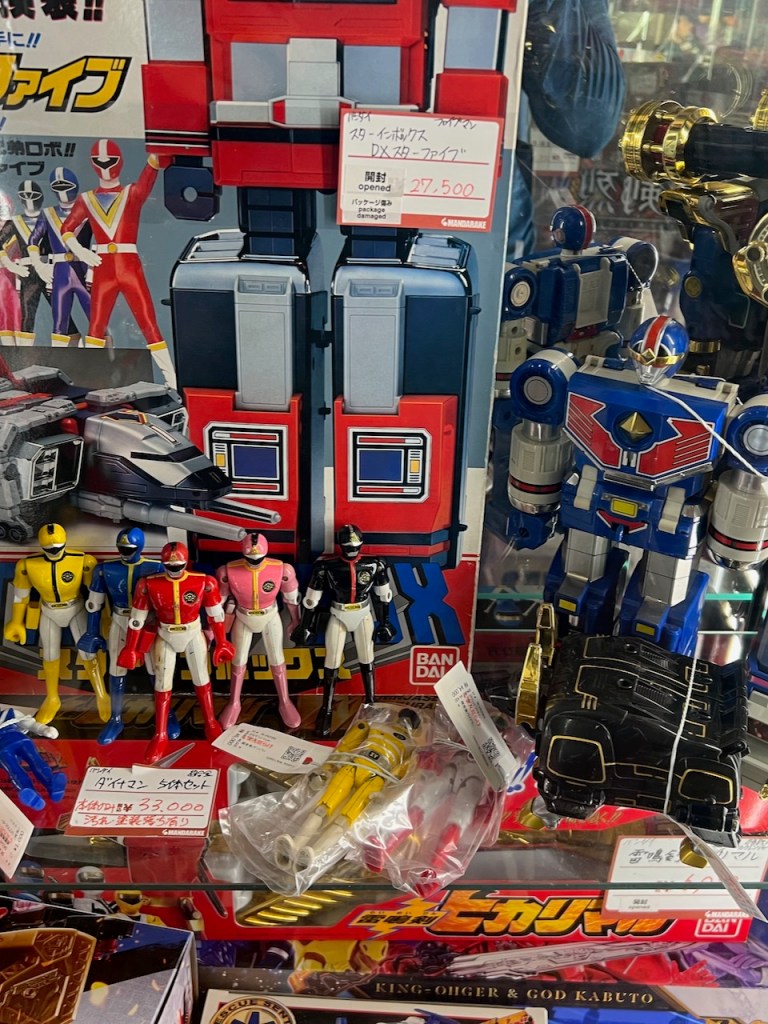
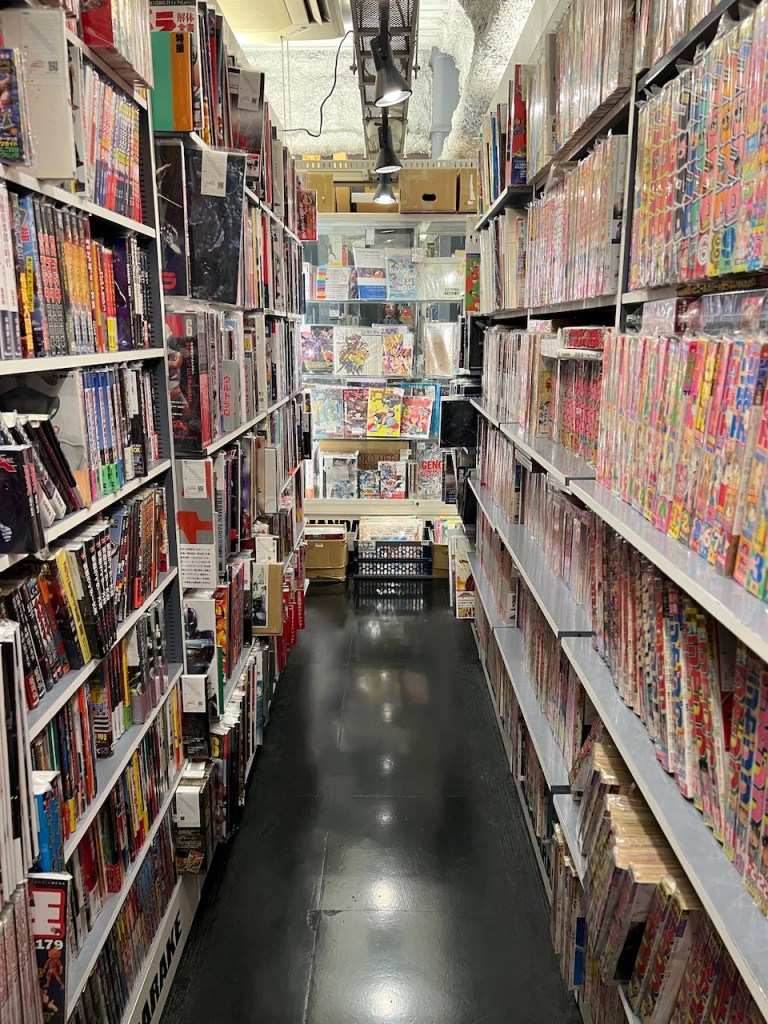
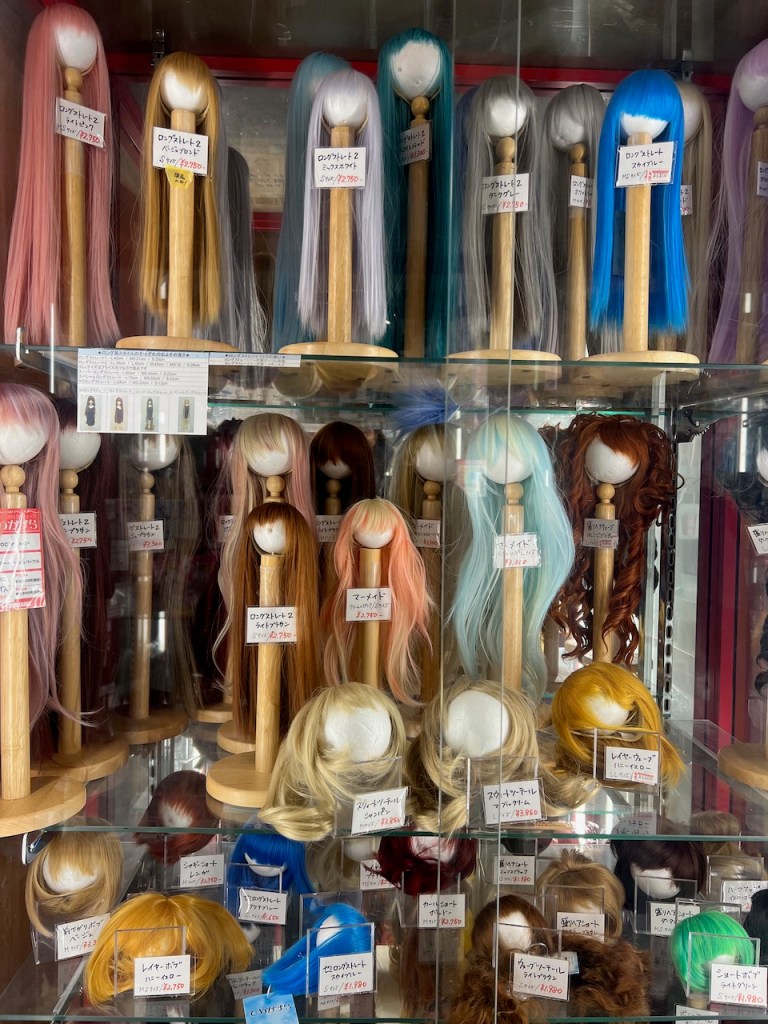
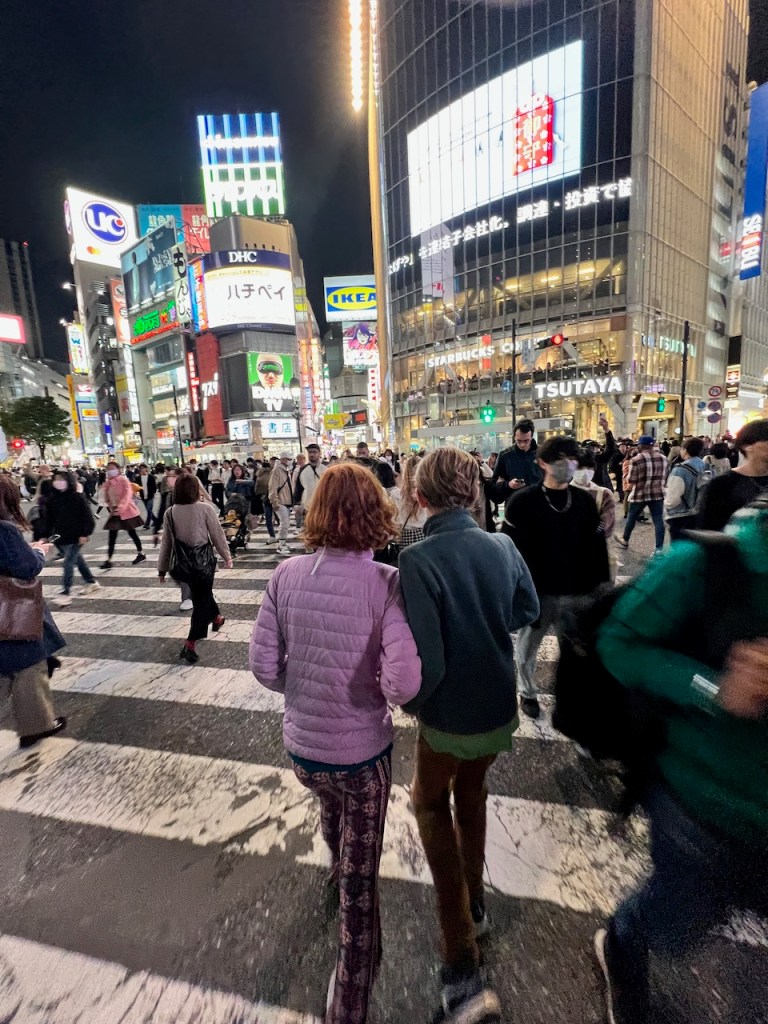
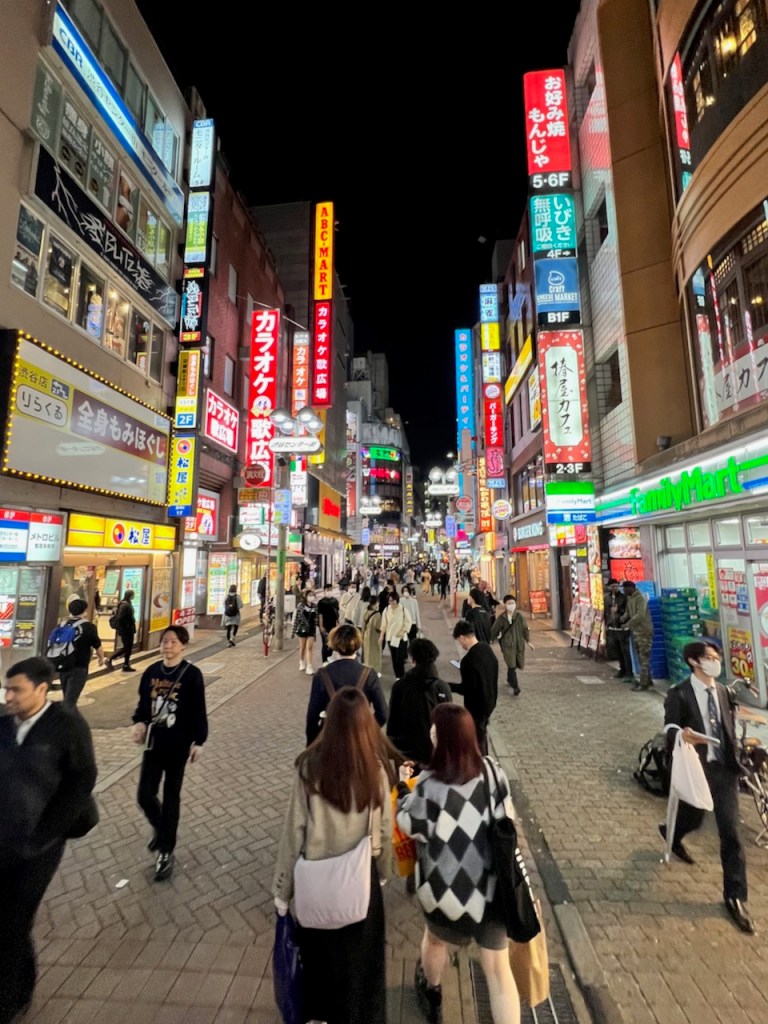
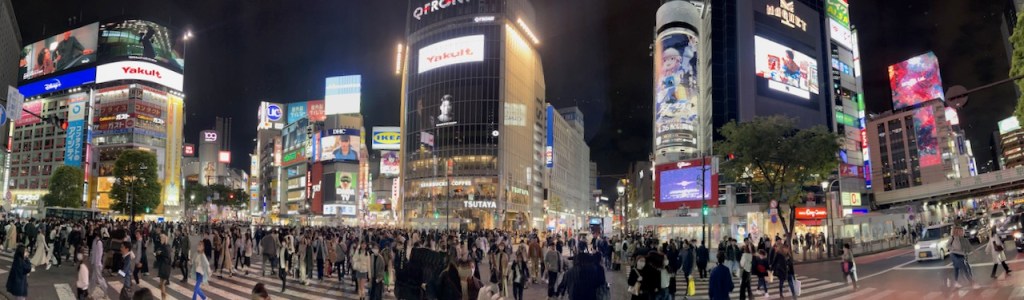
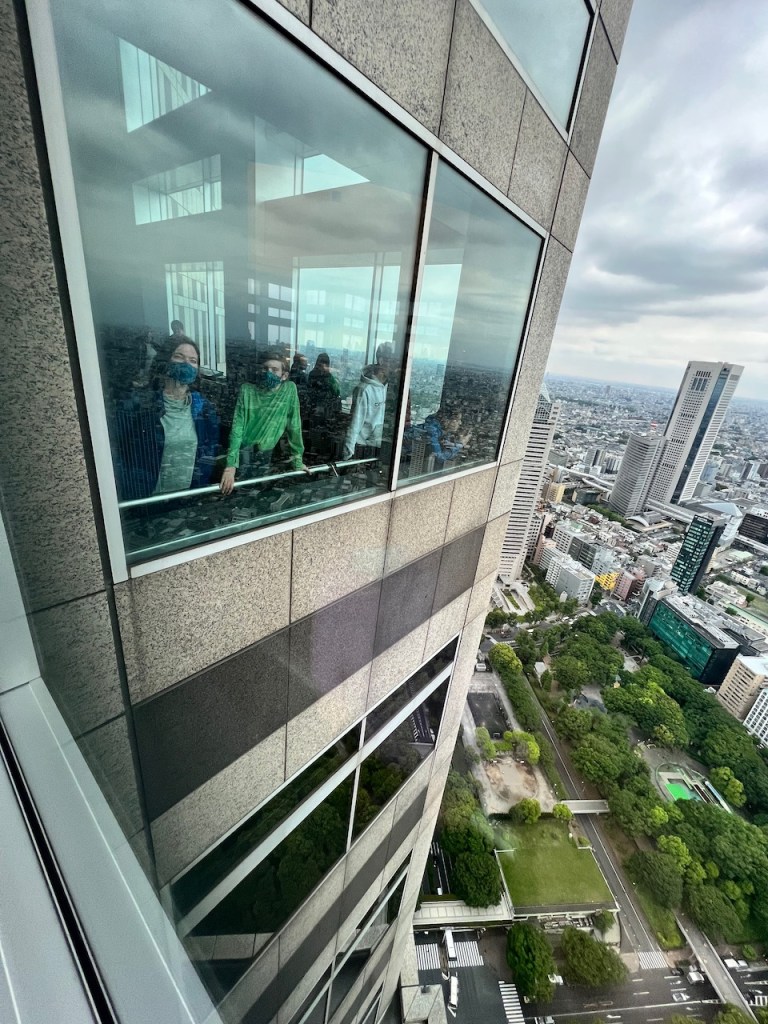
For a free view of the expanse that is Tokyo, we visited the Tokyo Metropolitan Building in Shinjuku. On a clear day you can even see Mt. Fuji! As we explored we were often amazed by the multi-level nature of the city with it’s huge underground stations and raised pedestrian walkways. Very little traffic and almost no trash made it a pleasure to walk. Vending machines on every corner have cold AND warm beverages, and convenience stores like Lawson’s and 7-11 make a snack or light meal a breeze. (Pete will tell you more about our food experiences next week.). The only problem with walking was the sheer size of this immense metropolis.
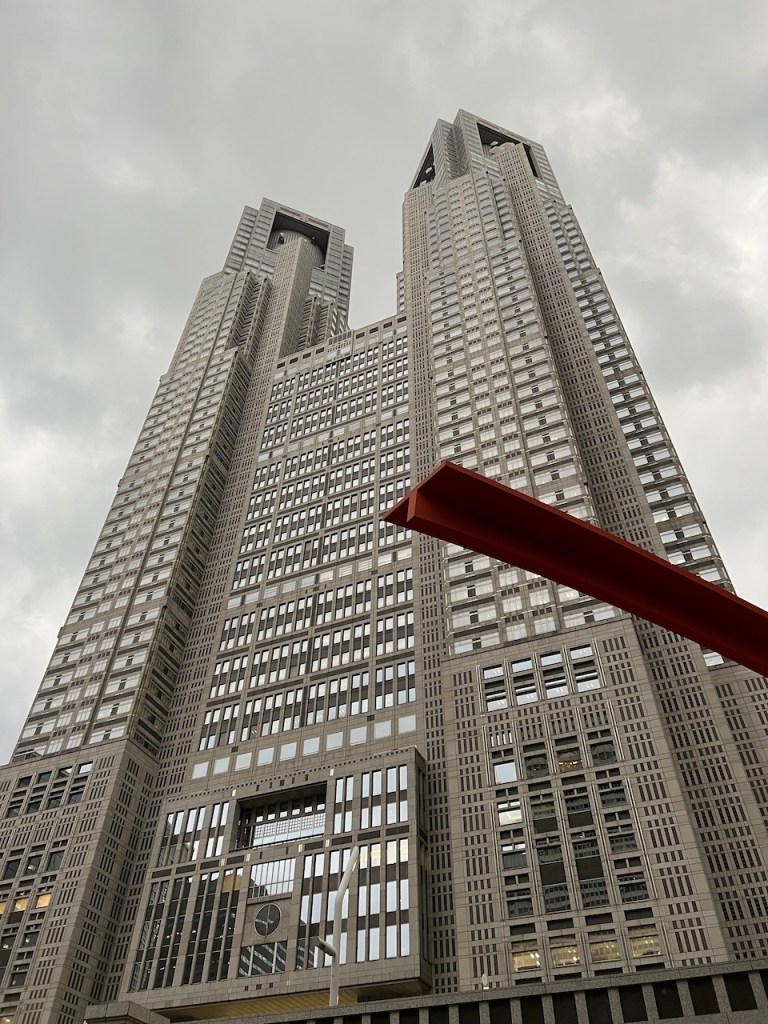
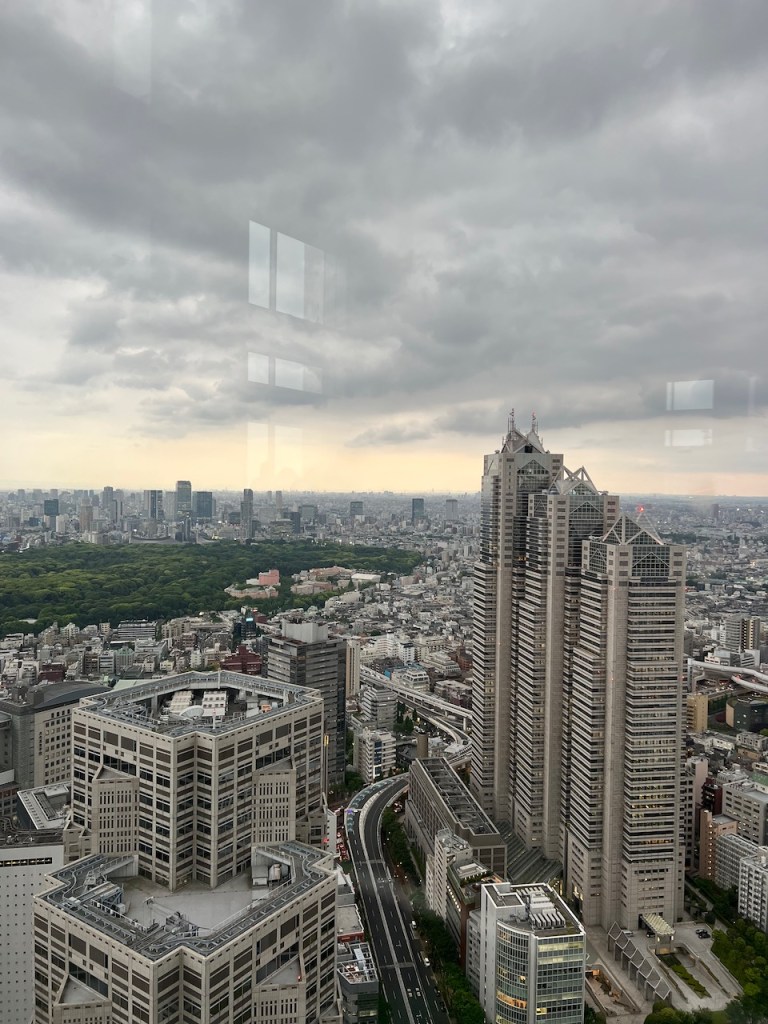
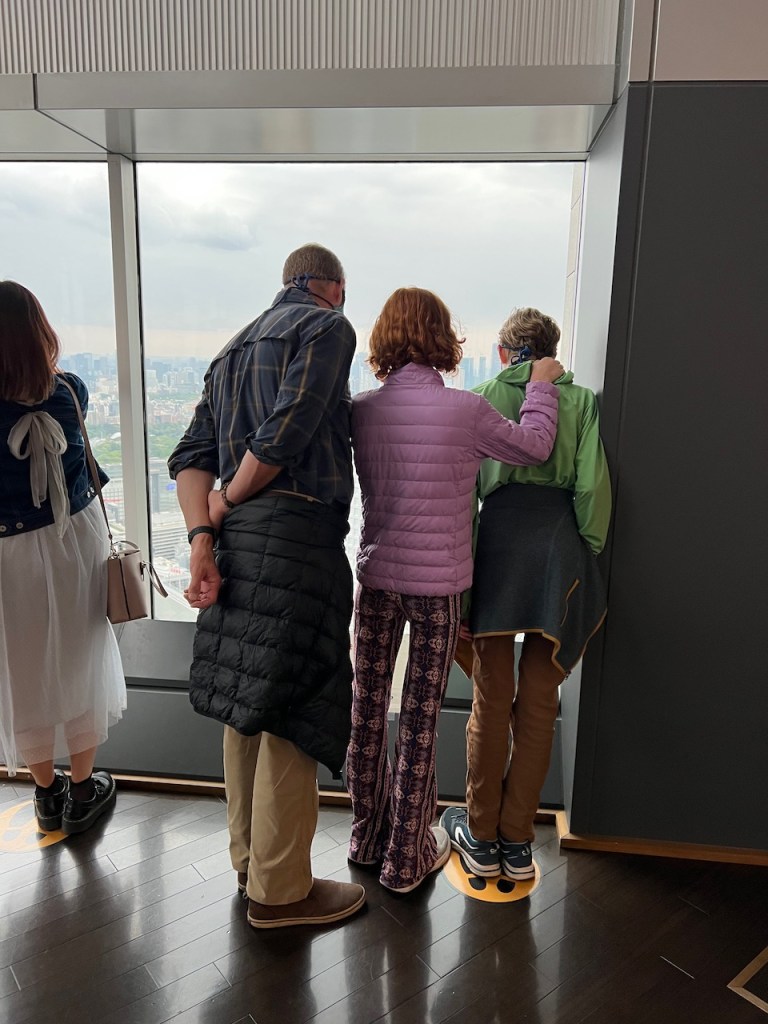
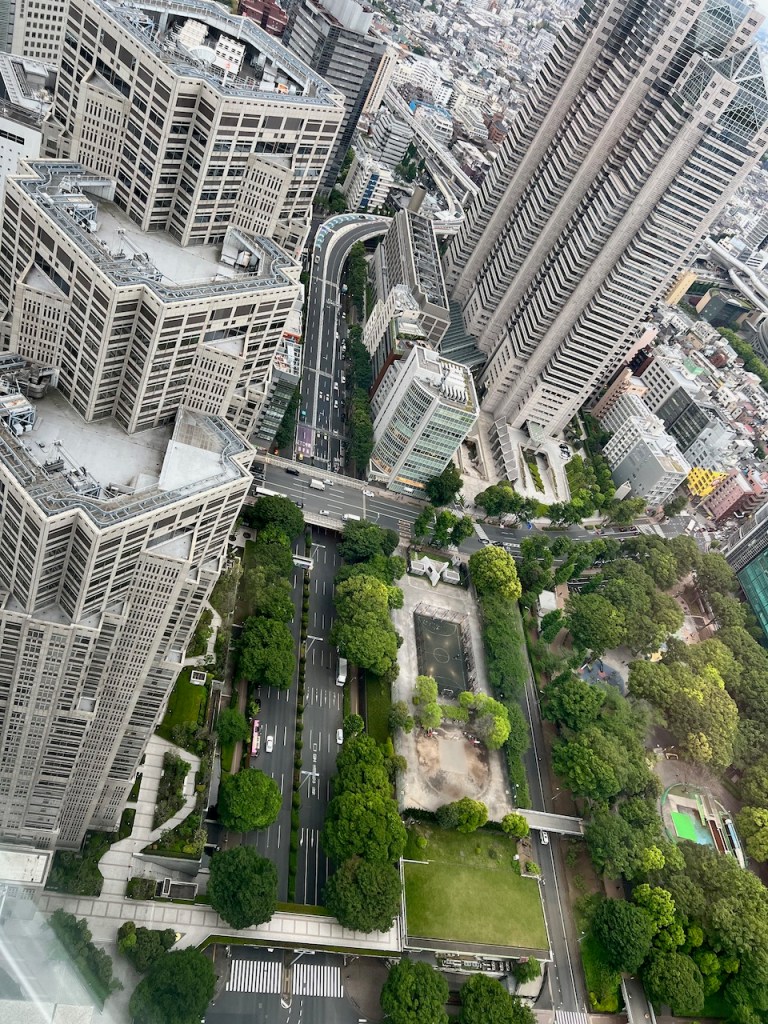
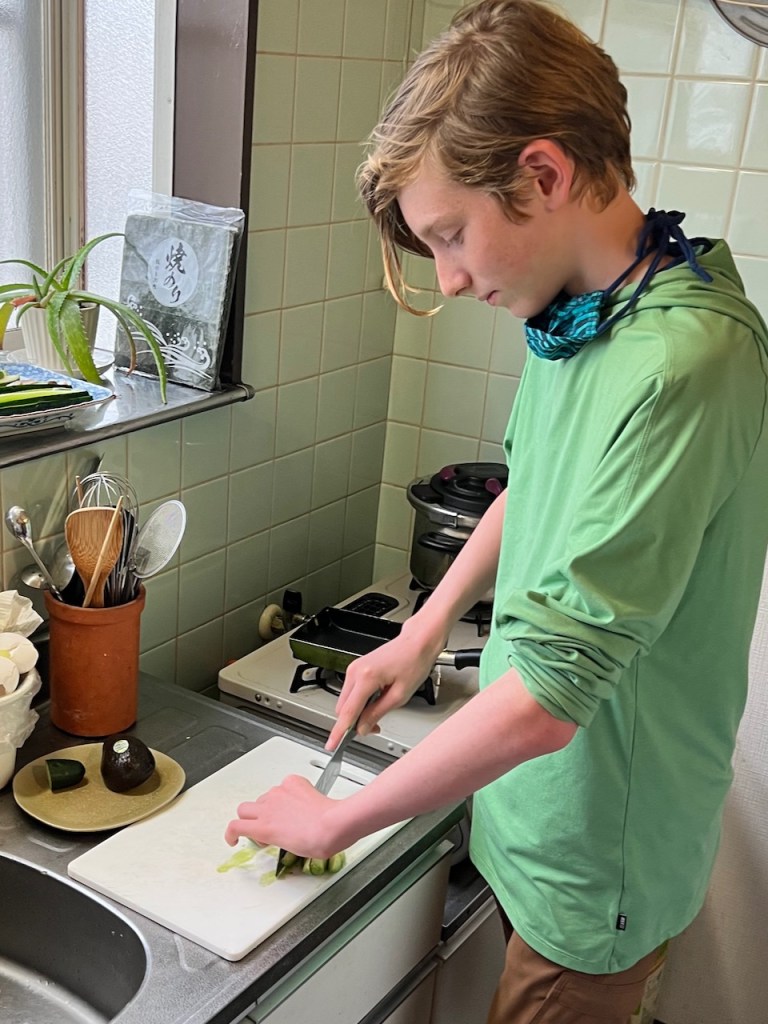
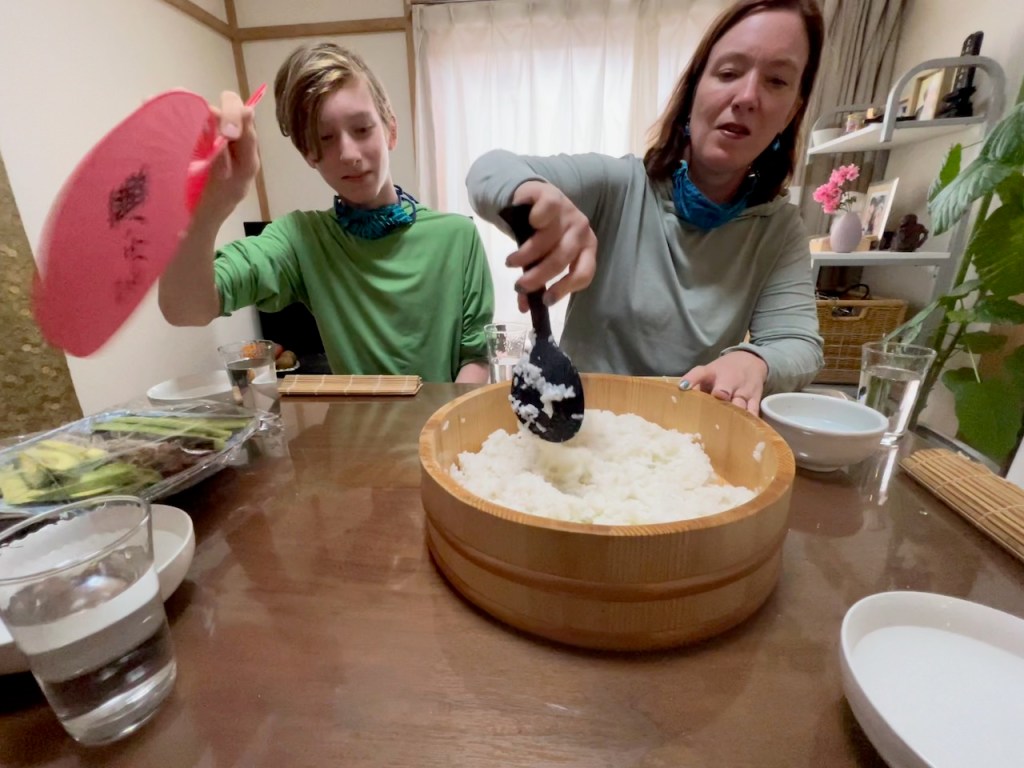
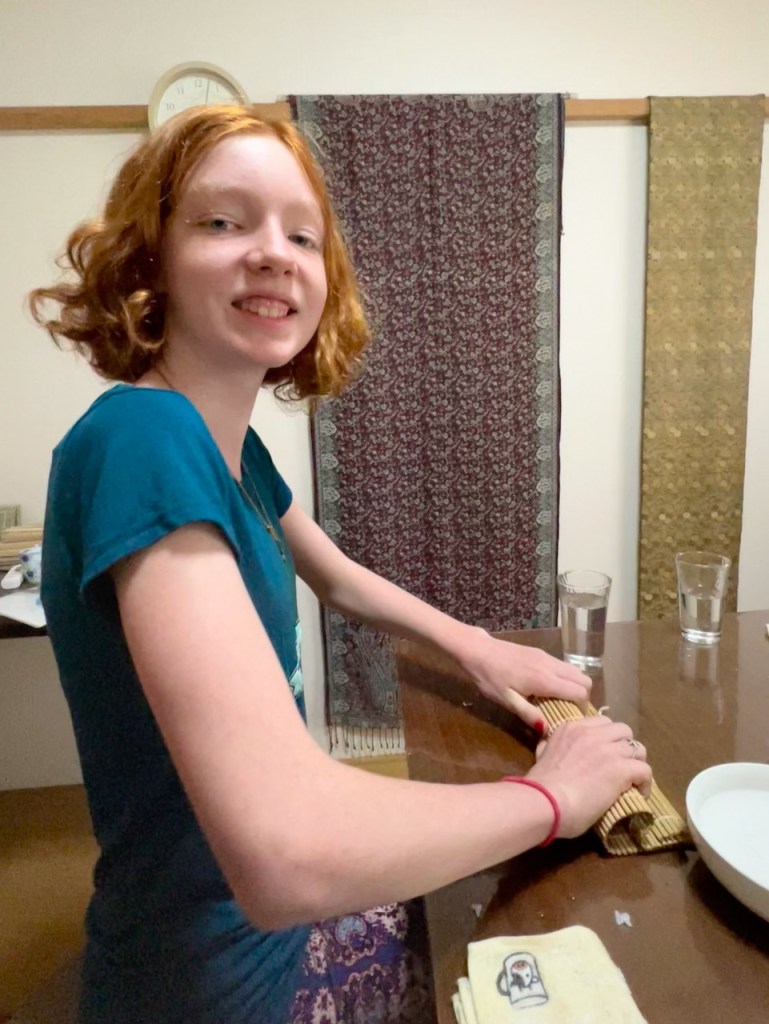
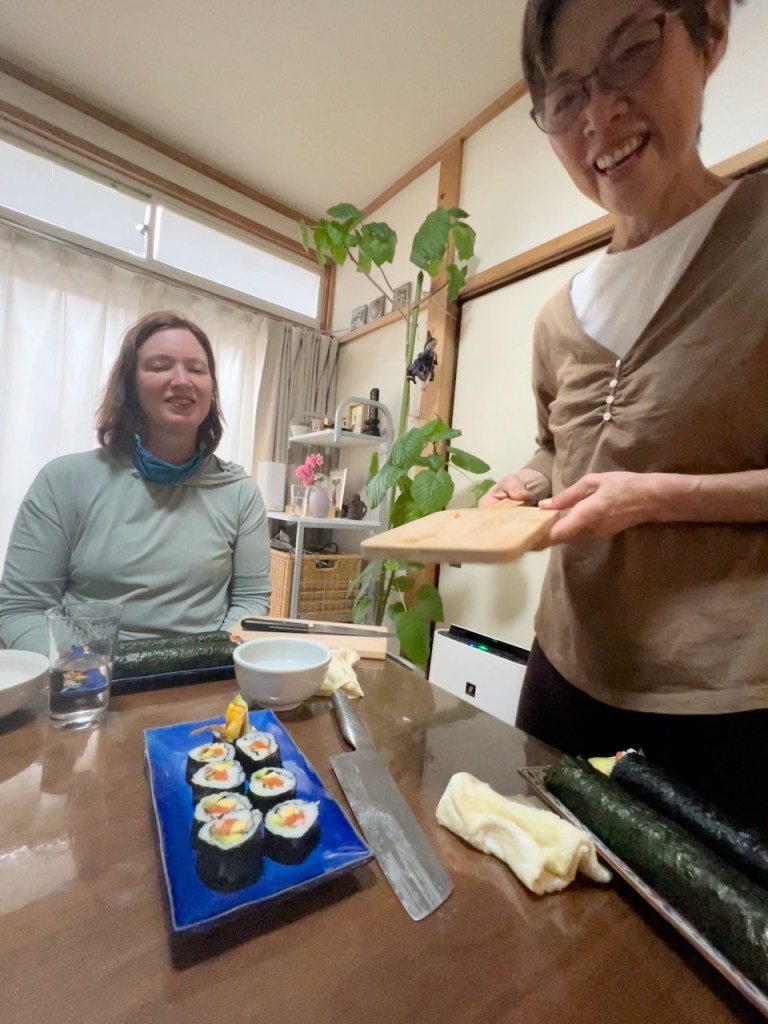
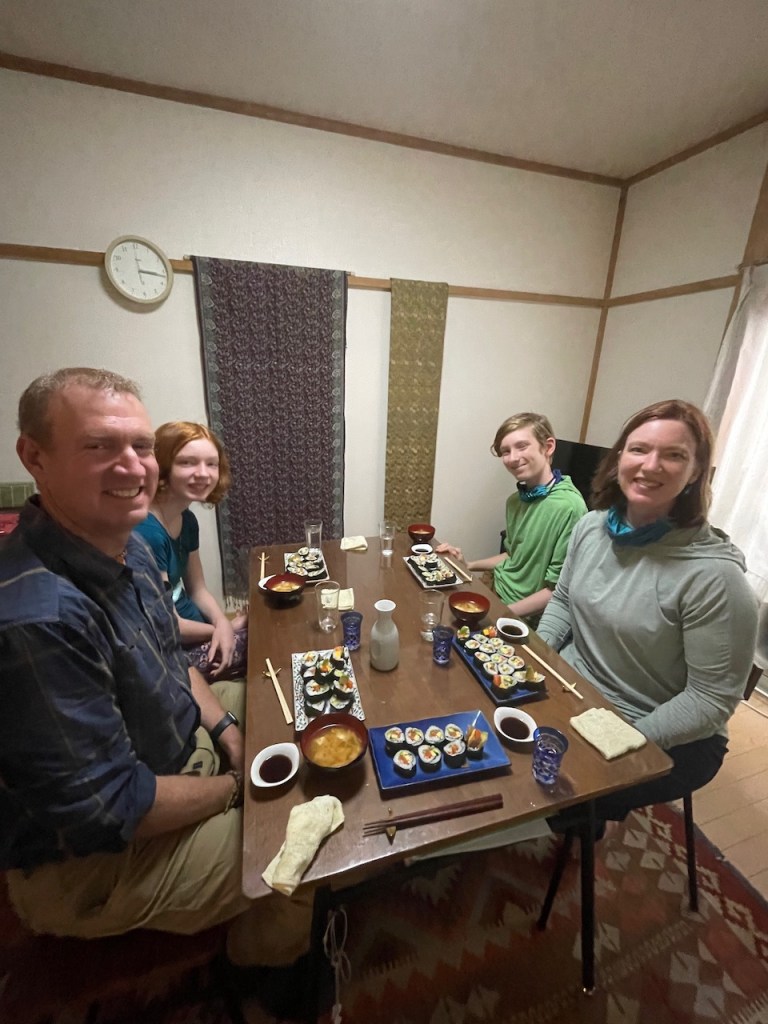
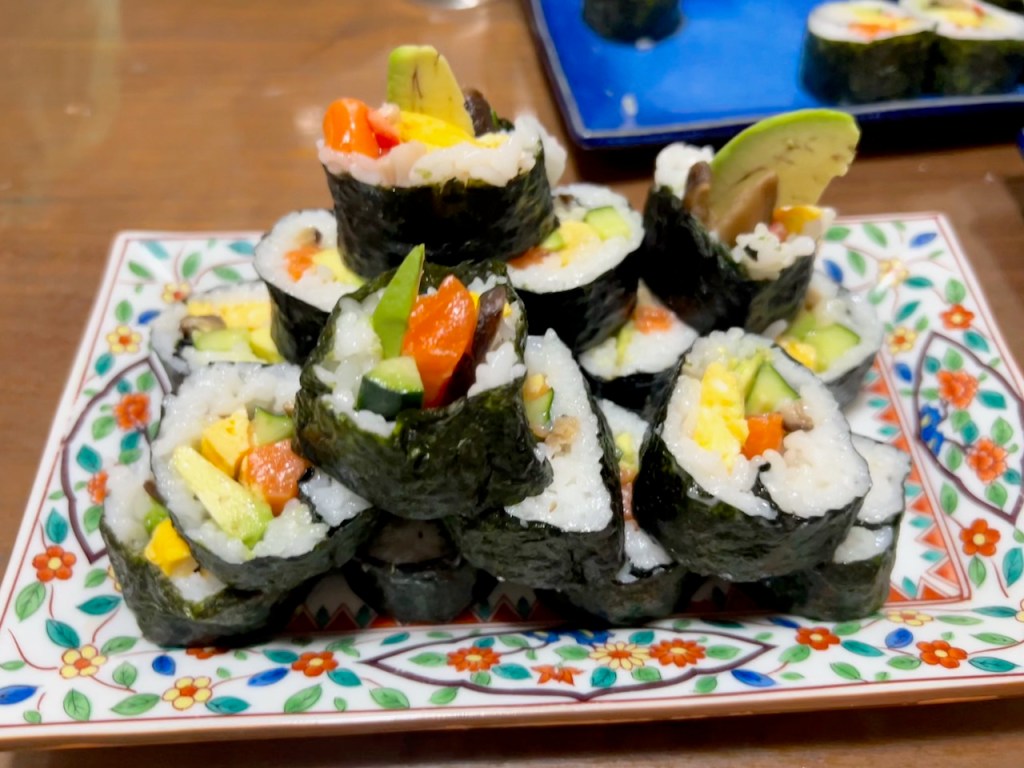
Tokyo is known for its sushi, so we decided to take a sushi roll class so we can make it ourselves at home. Pete found an Airbnb Experience and our teacher, Kazuko, invited us to her home for our private class. She first showed us how to make sushi rice and Japanese omelette. Then we chopped some vegetables for the filling and learned to prepare our own sushi rolls. We enjoyed sharing a meal and some stories with Kuzuko, and highly recommend the class in the suburbs.




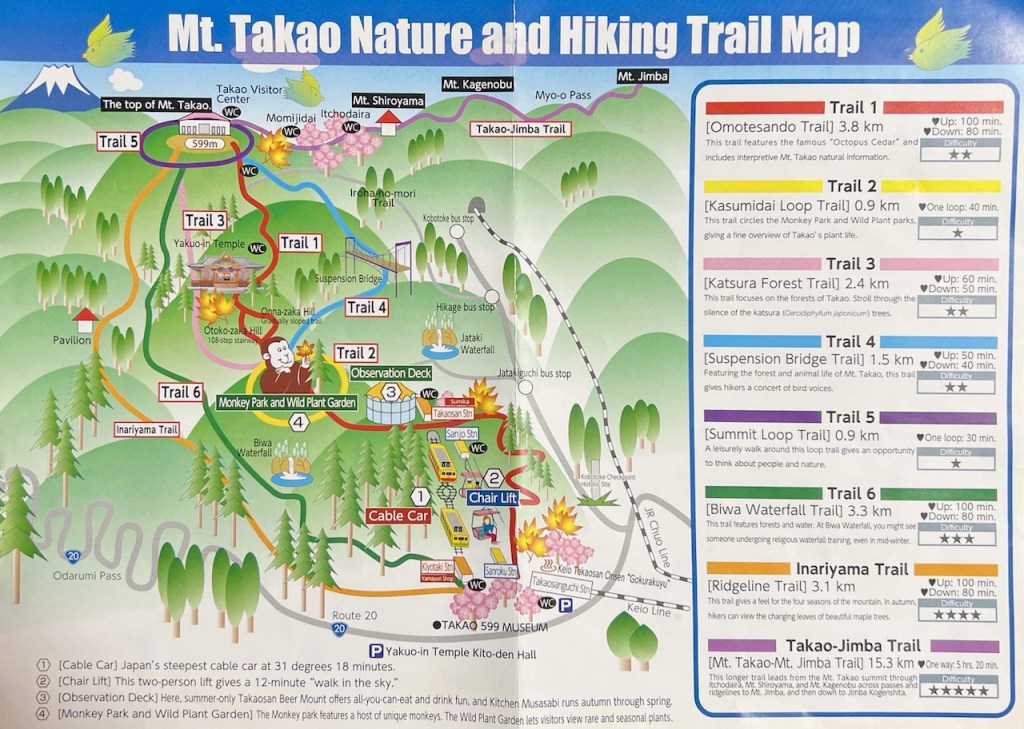
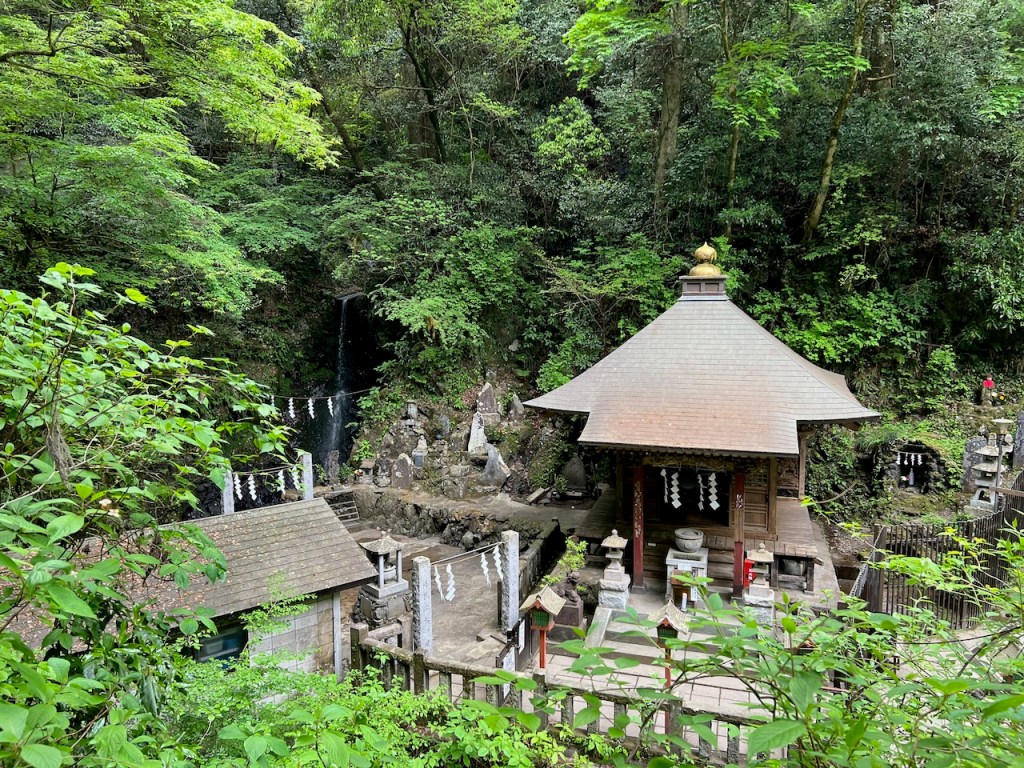
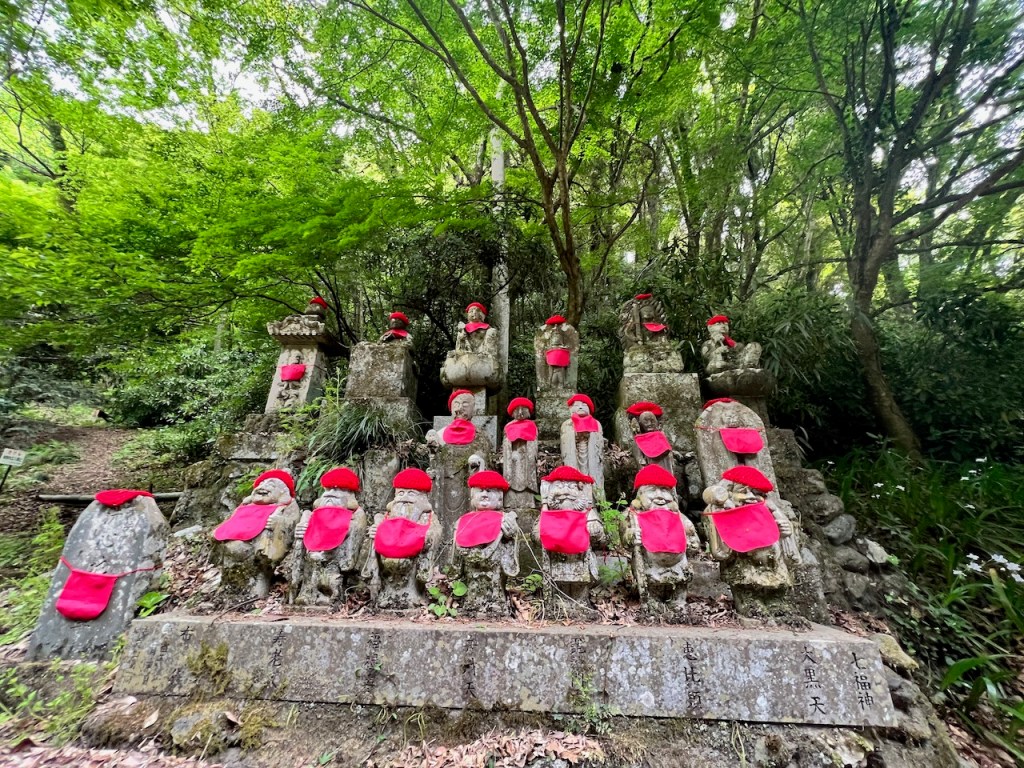
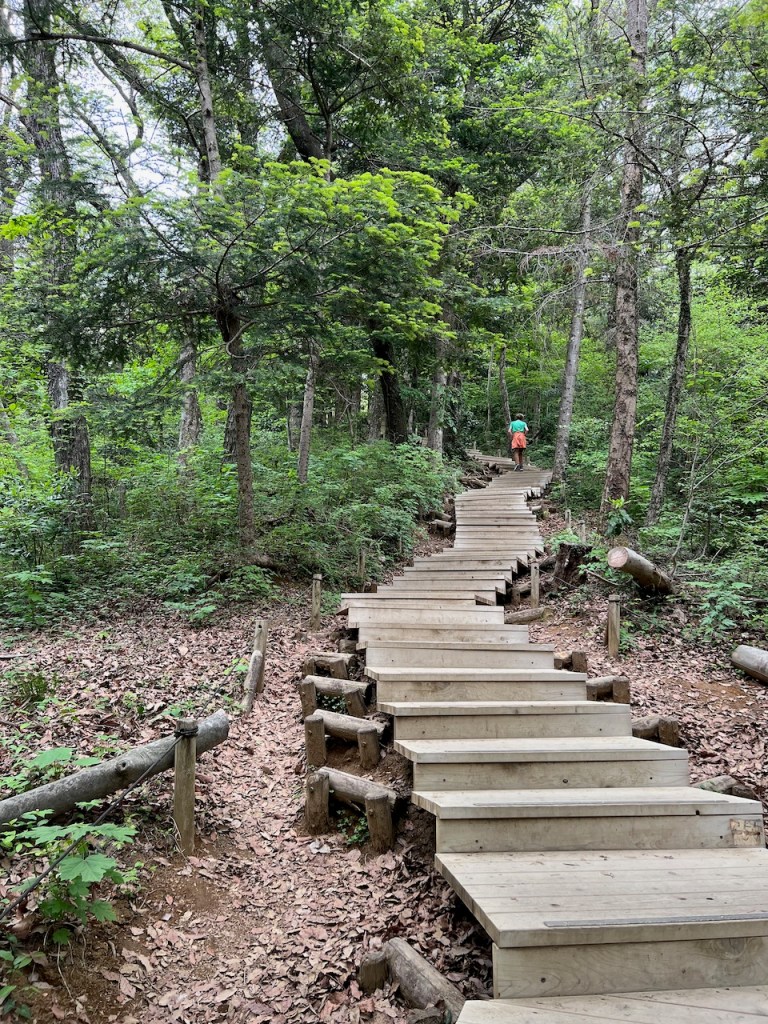
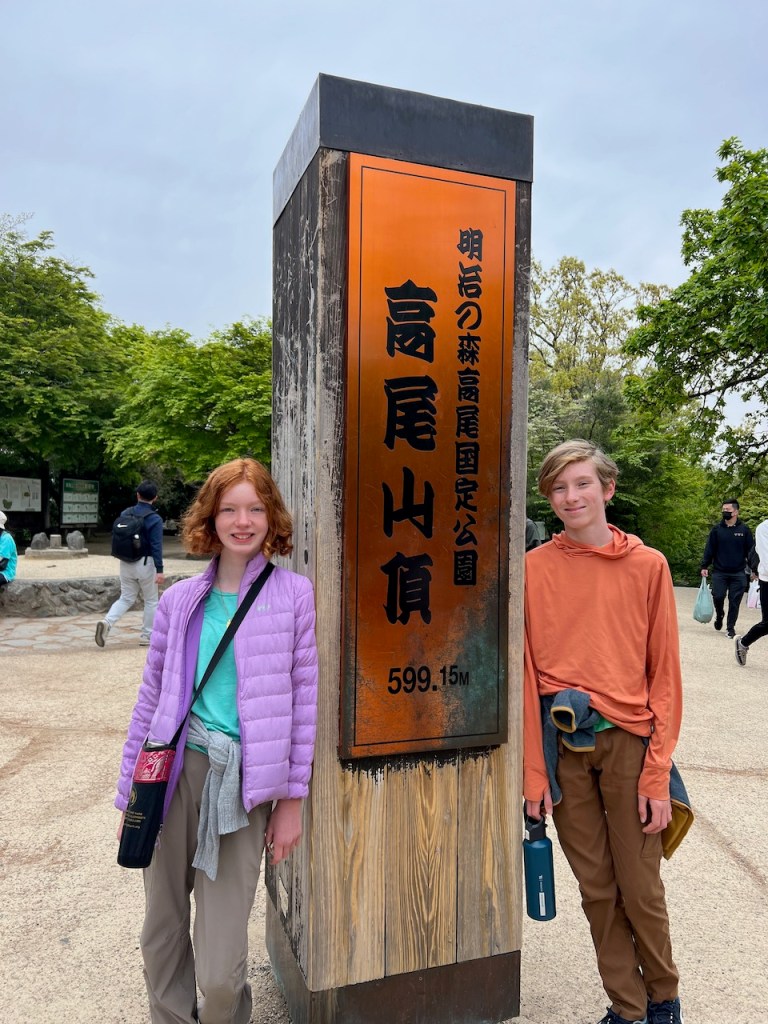
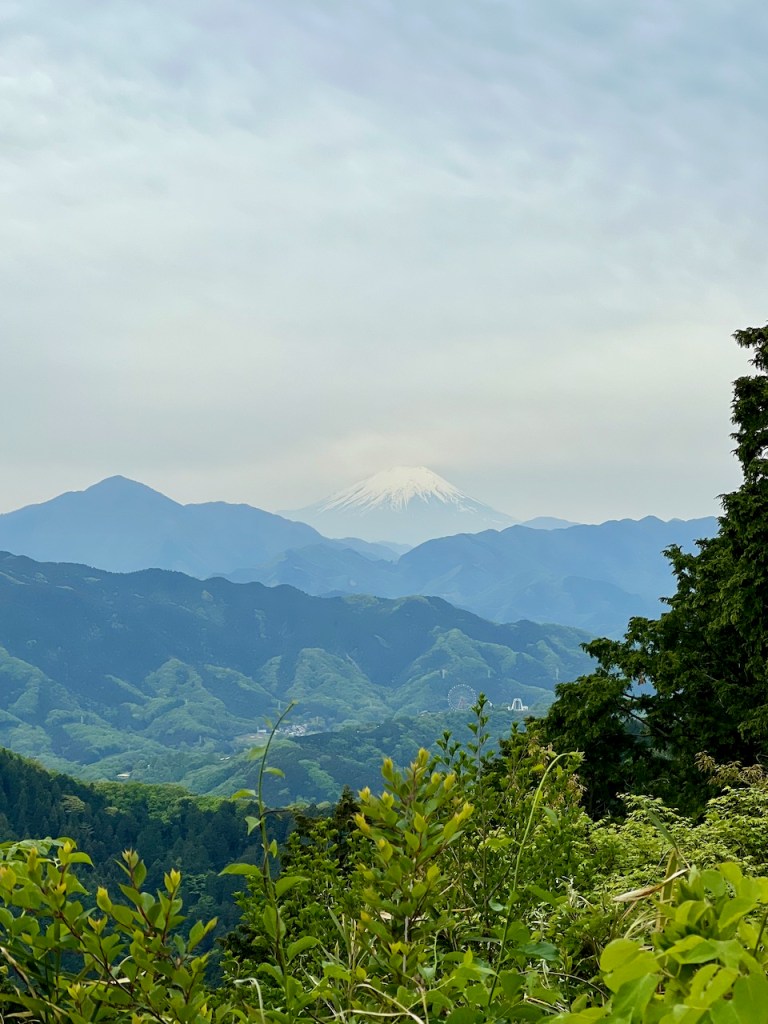
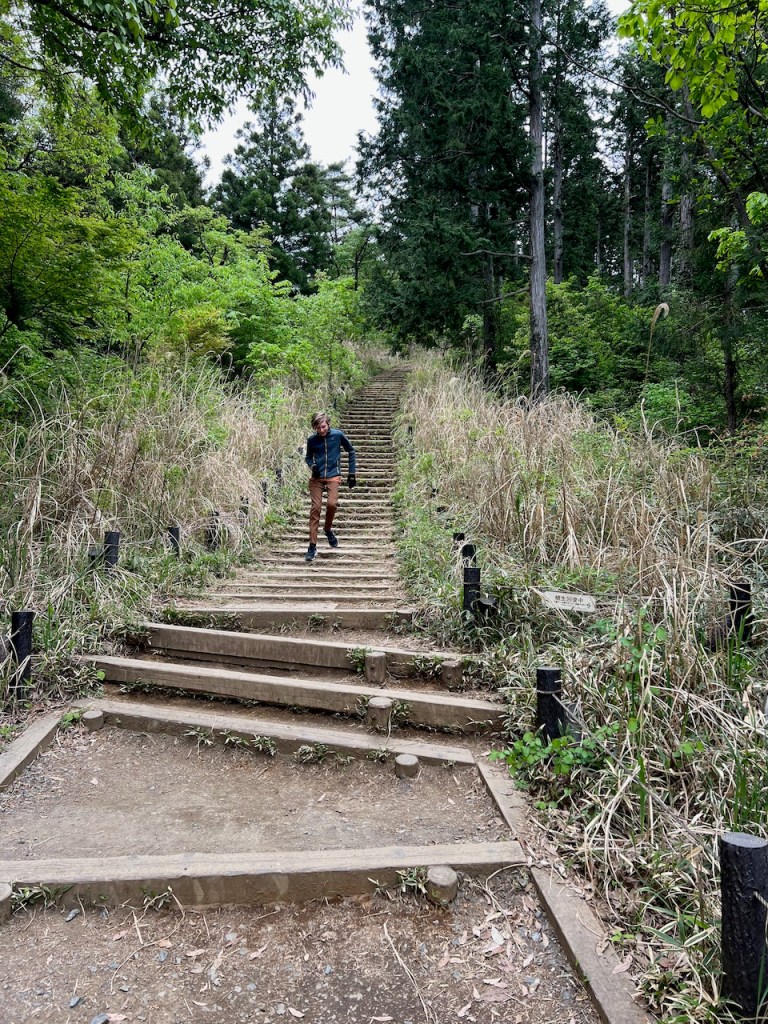
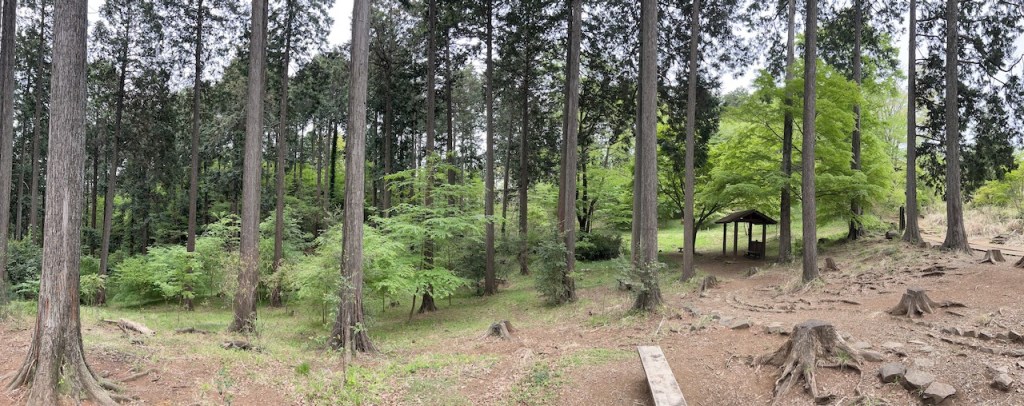
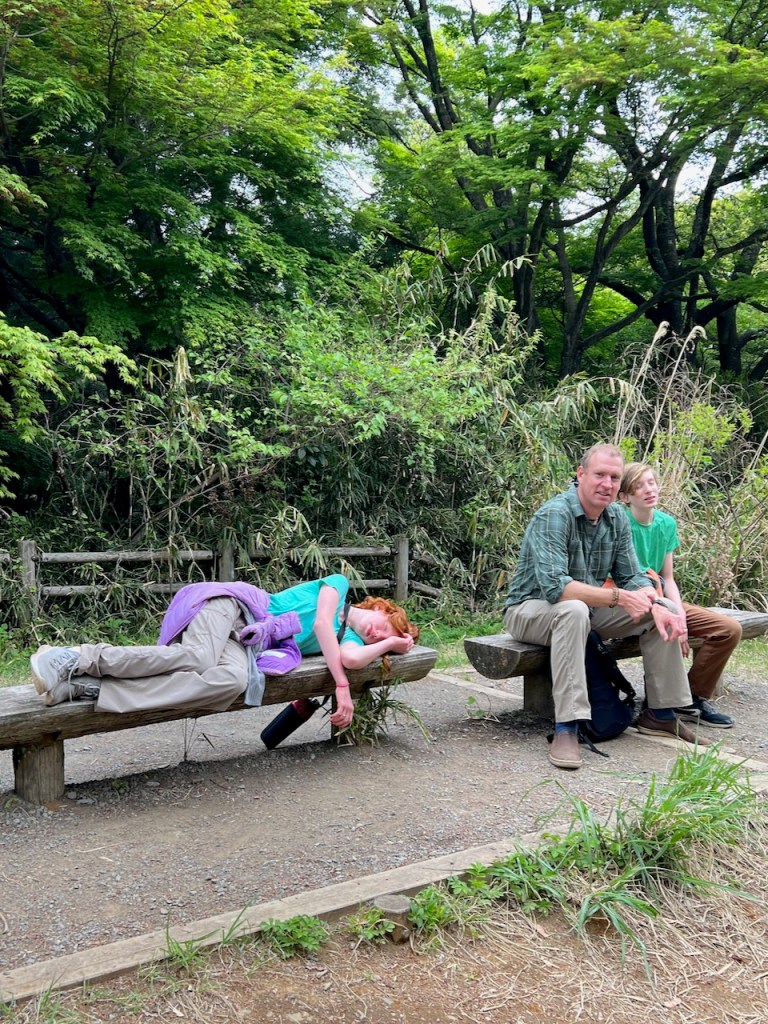
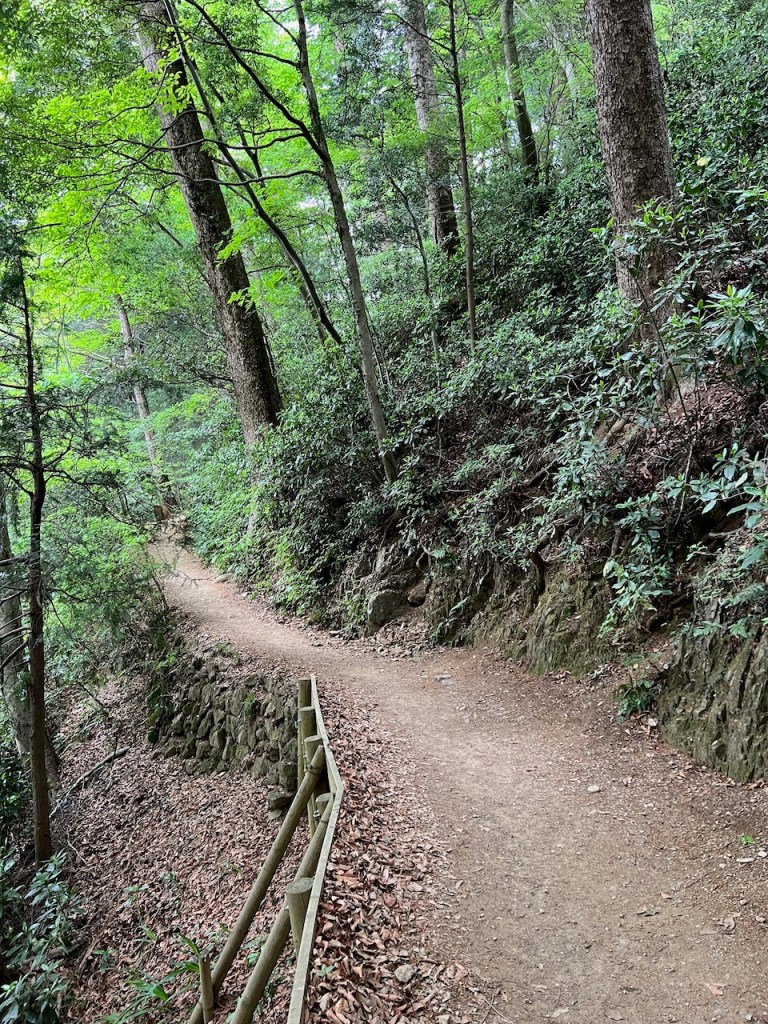
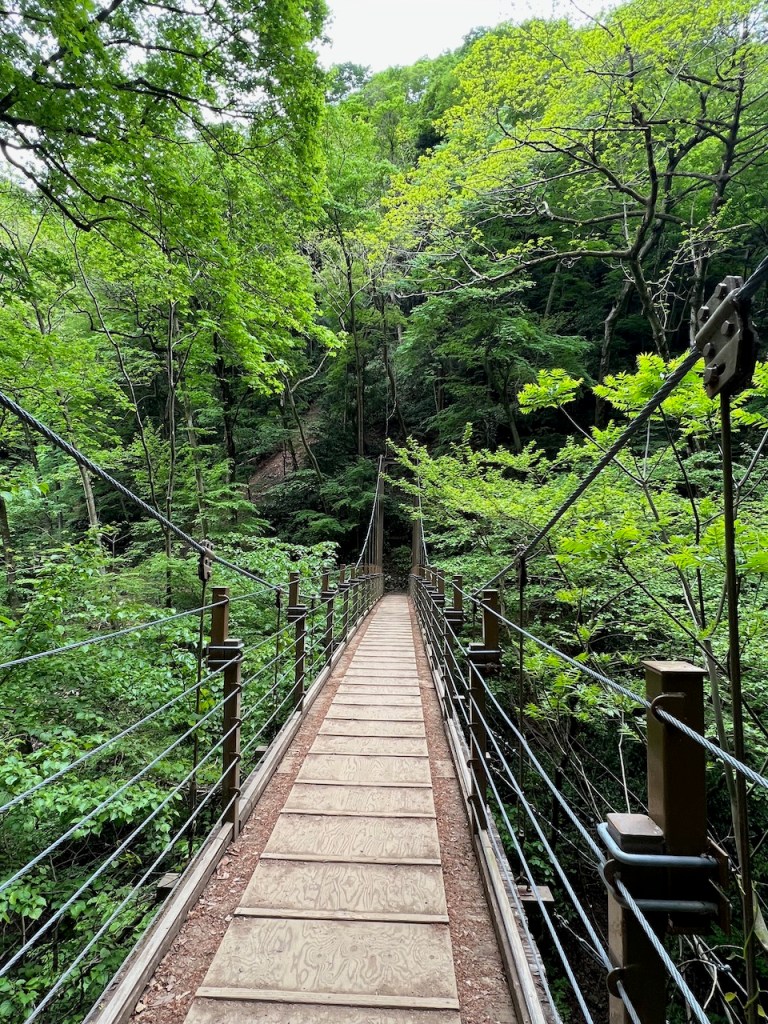
One day we took a train up to the edge of the distant mountains and hiked a popular trail up Mt. Takao. There were many ways to climb to the top, but we chose trail 6, a beautiful forested path along a stream for much of the way. Then it was a seemingly endless series of steps to the summit! Ice cream and our packed lunches made an excellent reward. The best reward was a beautiful view of Mt. Fuji (despite the low clouds). It was slightly surreal to see the famous mountain in real life! We hiked a bit further (a painful down and up) in the hopes of seeing the famous cherry blossoms that were already finished in Tokyo. Despite the altitude, they were already passed bloom there as well. Oh well, maybe next time. We chose to descend on the less busy Trail 4 for its suspension bridge before re-joining the sloping paved trail 1 to the bottom. It was nice to get out of the city and use some climbing muscles we haven’t in a while. Thanks to Eleanor for the recommendation!
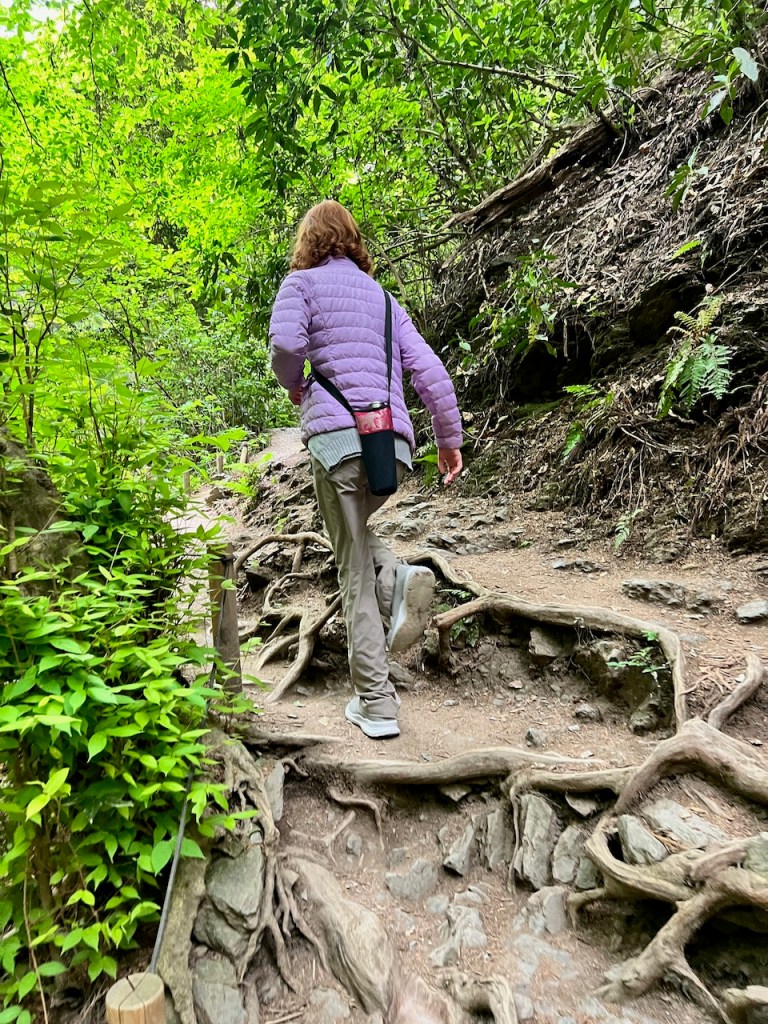


alongside a well-maintained path of rocks and roots

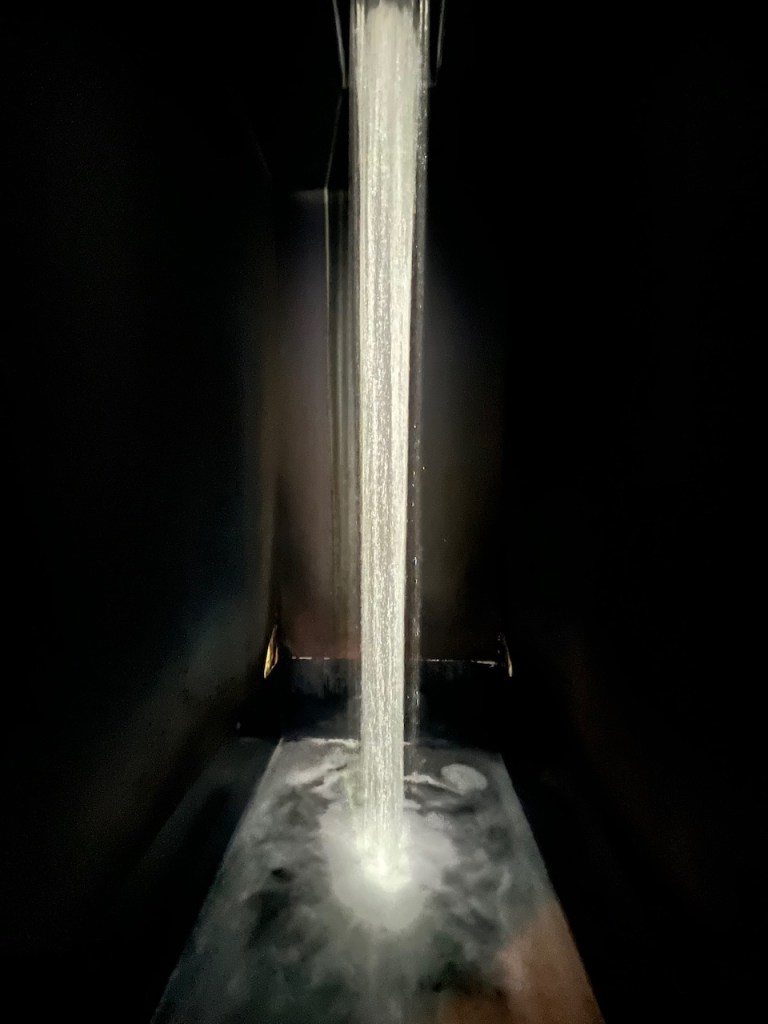
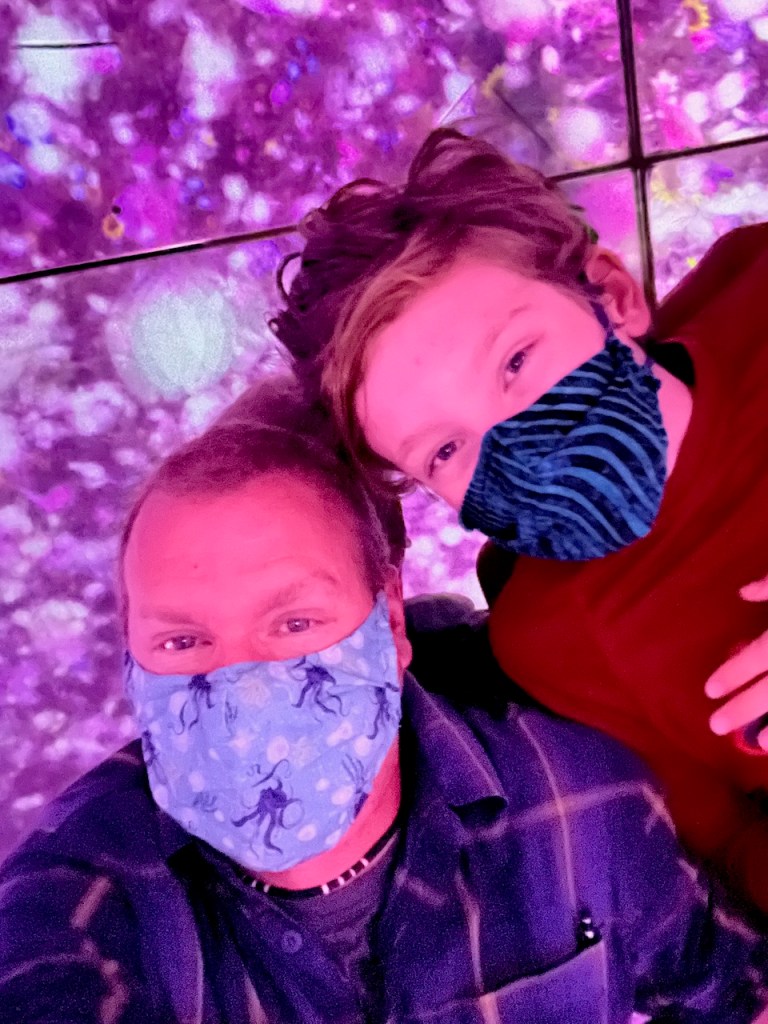
Another fun activity Pete found was the interactive modern art of teamLab Planets Tokyo. Each section of the museum was a different multi-sensory experience. It started with walking up a dark hallway of running water with a waterfall at the top. This was followed by a series of exhibits including a room of pulsing LED lights and then knee deep water with fish and flower projections. There was a room of real, hanging orchids and then a dome of swirling digital flowers. Each section was unique and mind-bending. It was crowded, but a worthy way to spend a few hours!


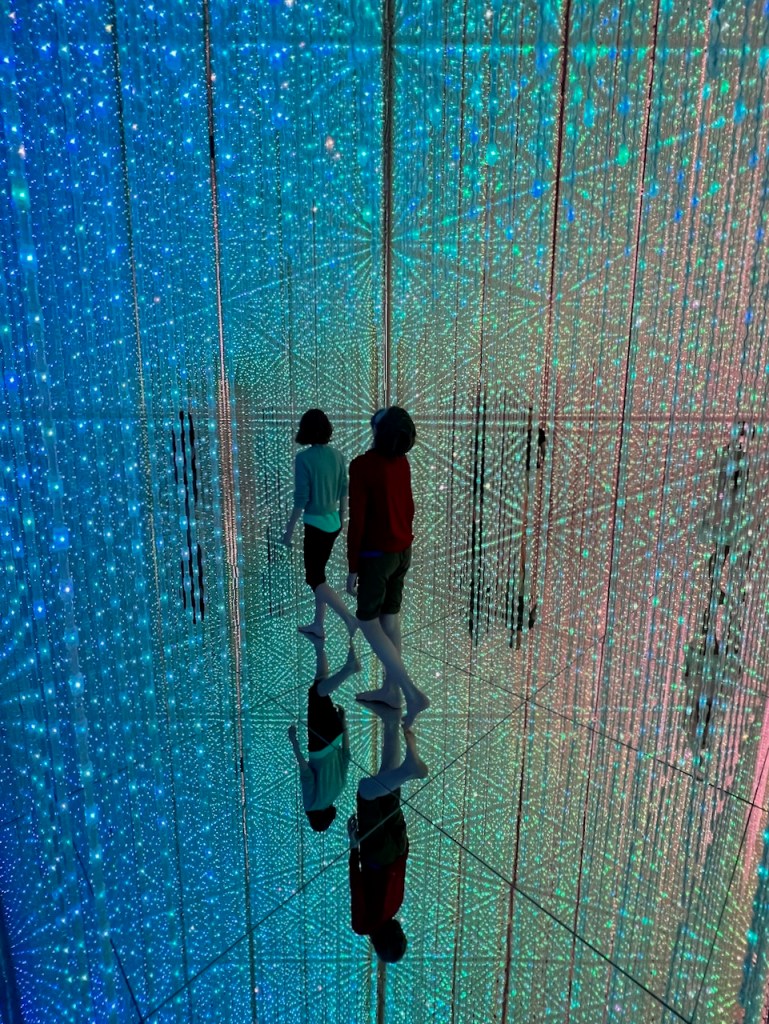

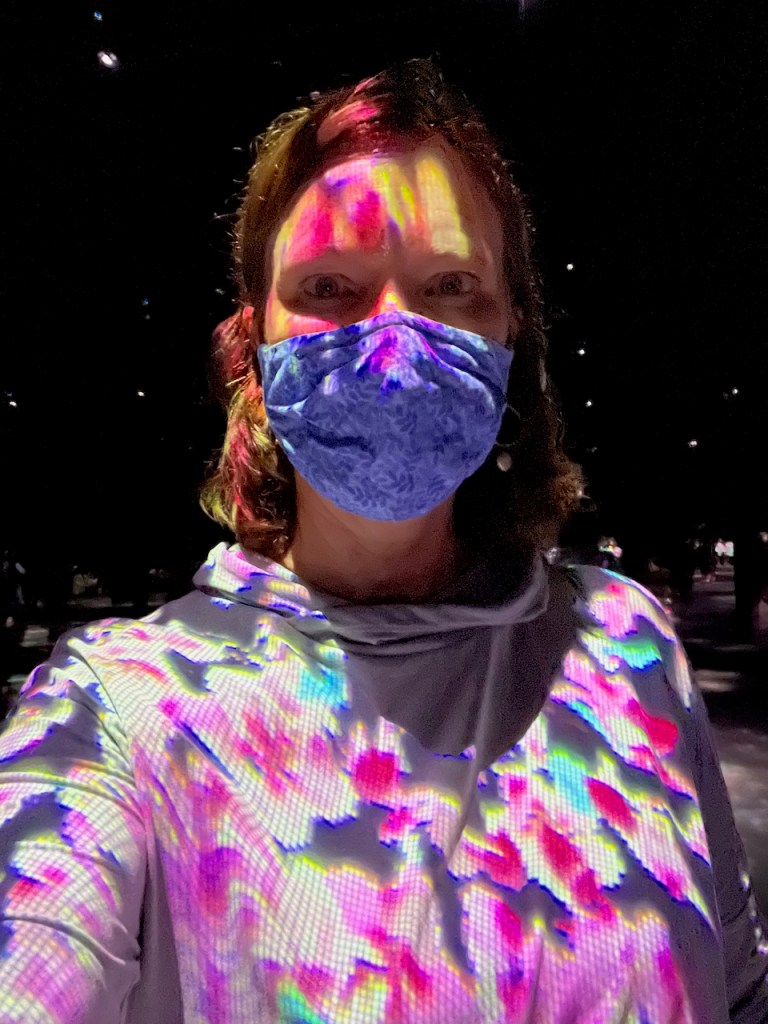
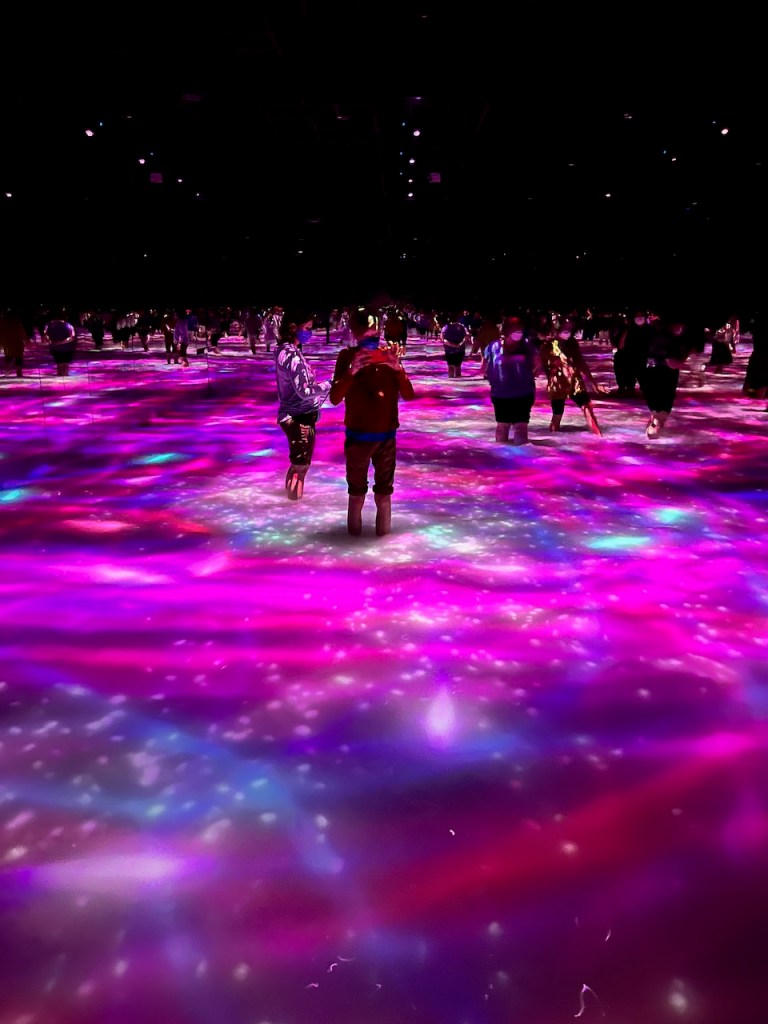
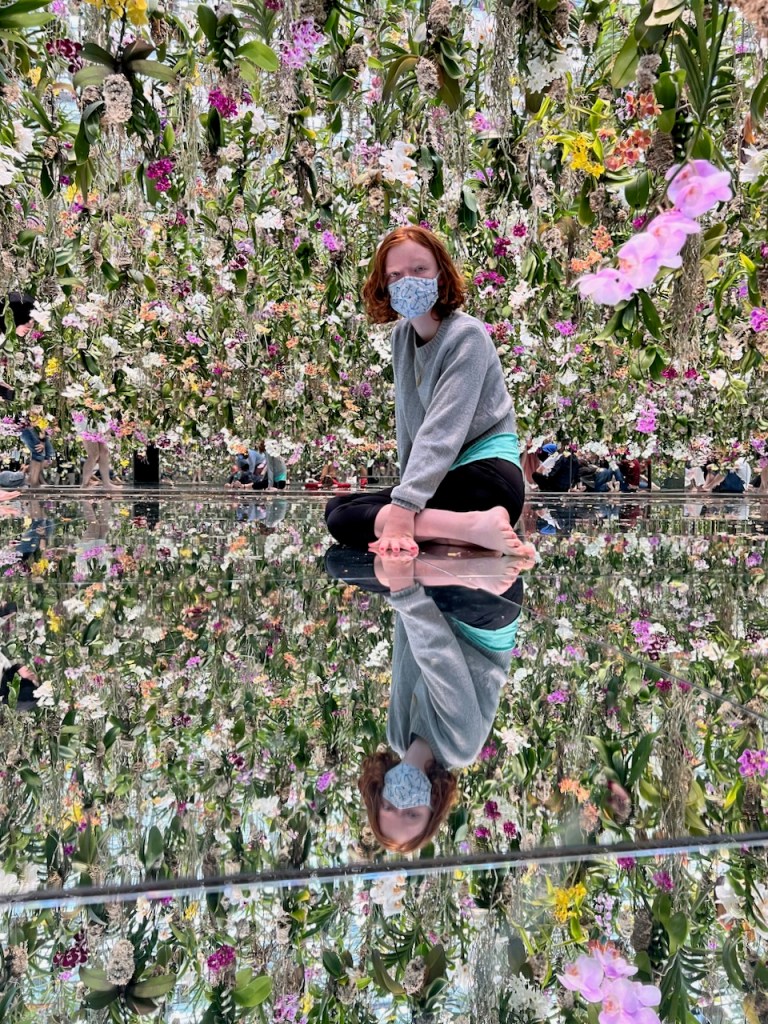

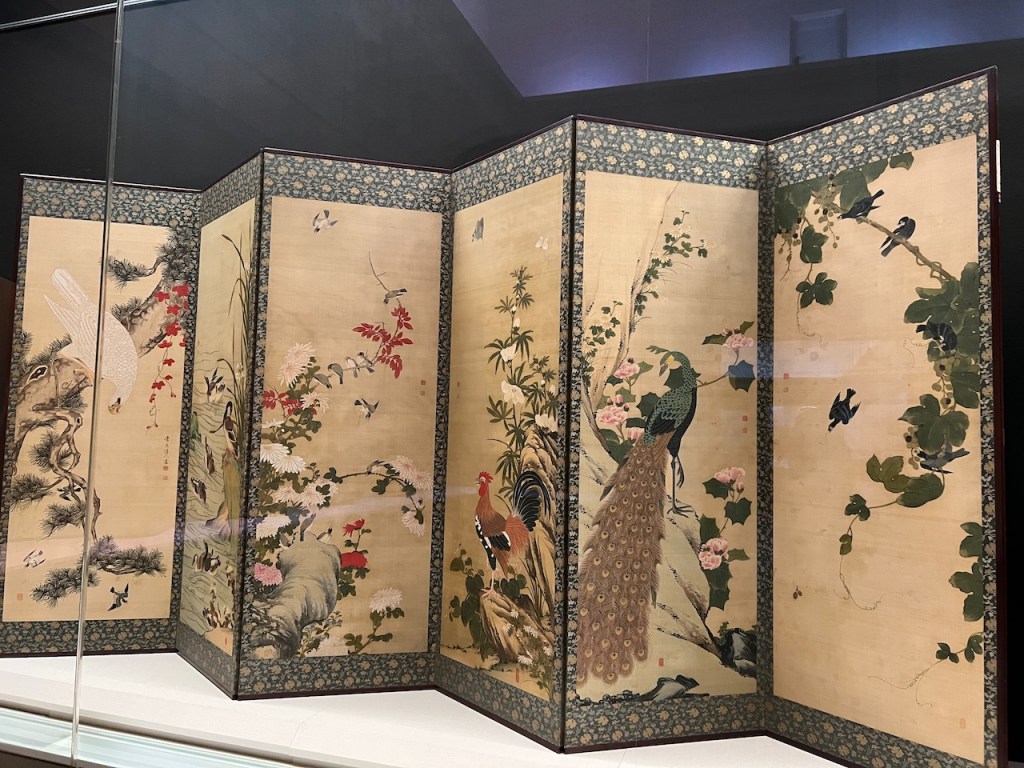
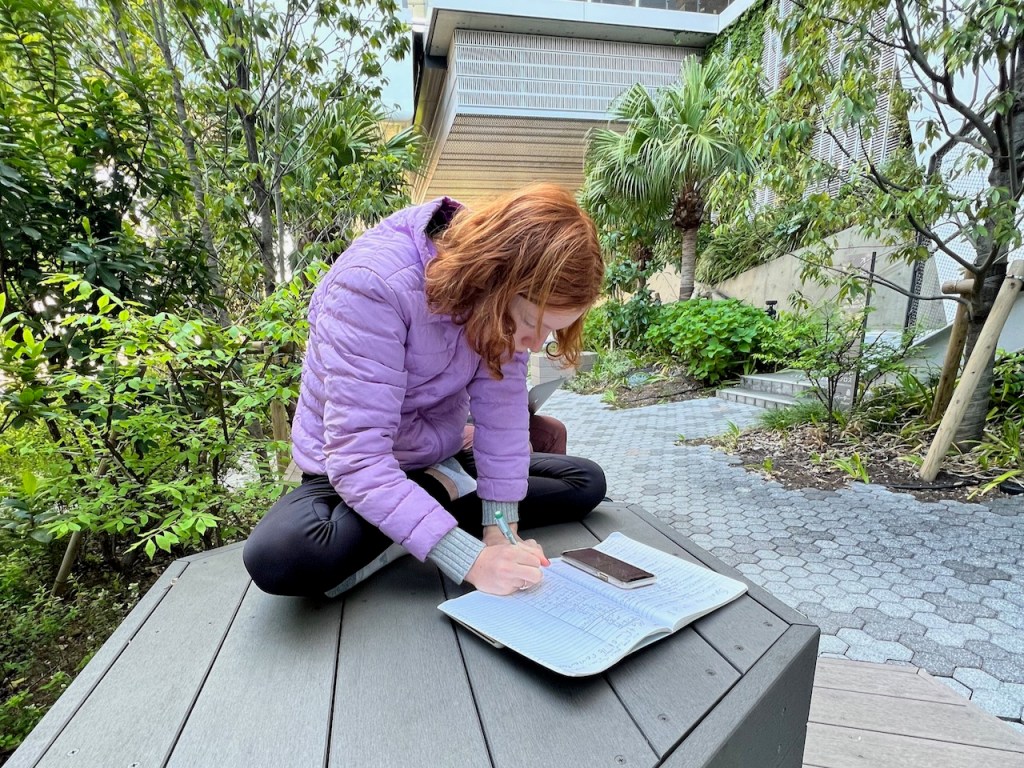
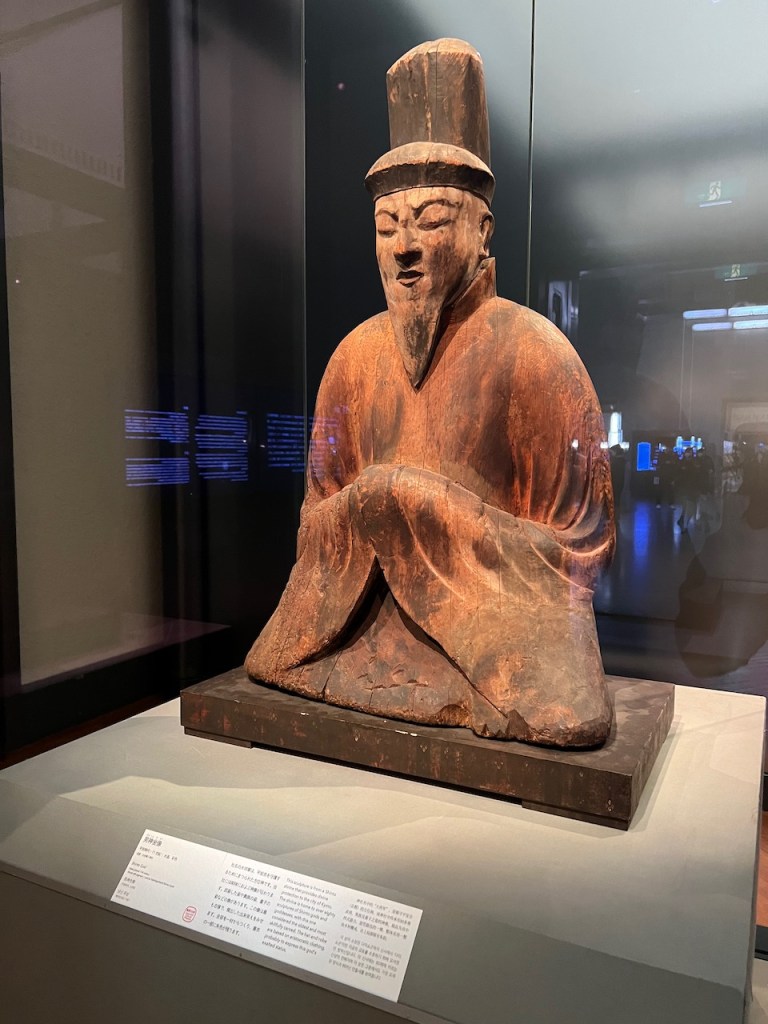
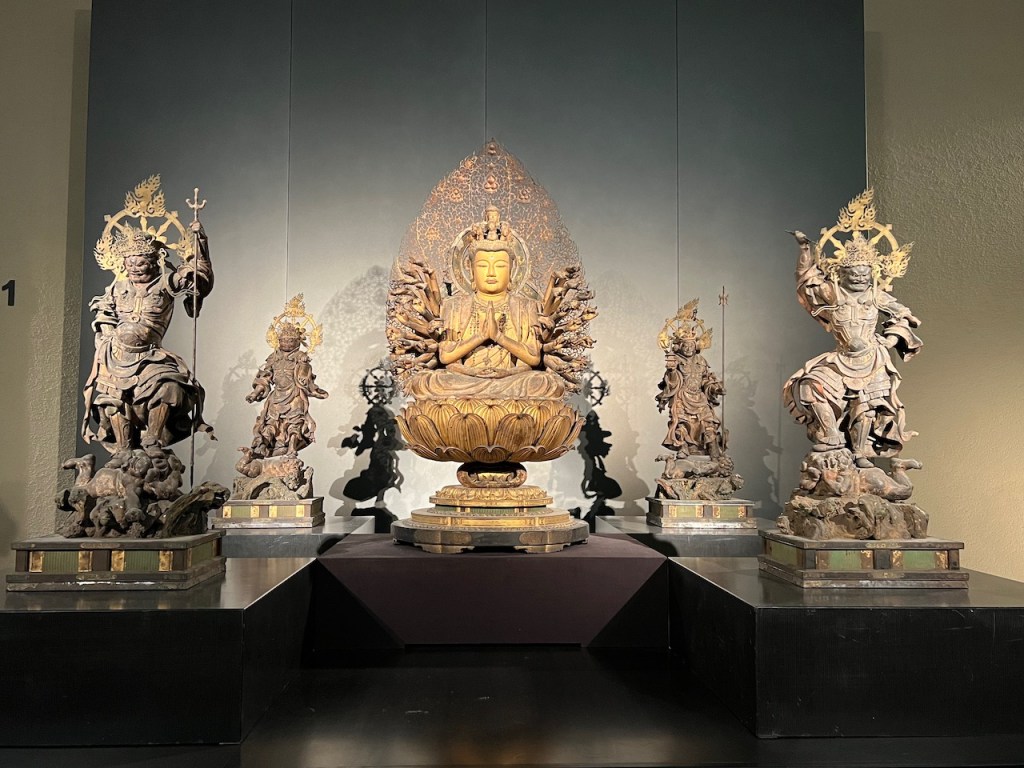
Before we left Tokyo we got in a few more city sights, though not as many as I had planned. The rainy weather and our energy levels made us a bit lethargic. Plus we had ignored our school schedule for a while and needed to get back to it. Despite being less strict than previous years, our goals for our last year of homeschooling need to be met to ease our transition back to a “regular” classroom. Headmistress Kate is demanding that way. That said, we did take advantage of our world schooling opportunities by learning about Japanese art and cultural history at the Tokyo National Museum. If you are into museums, Tokyo has loads, and Ueno Park in particular could keep you busy for several days.


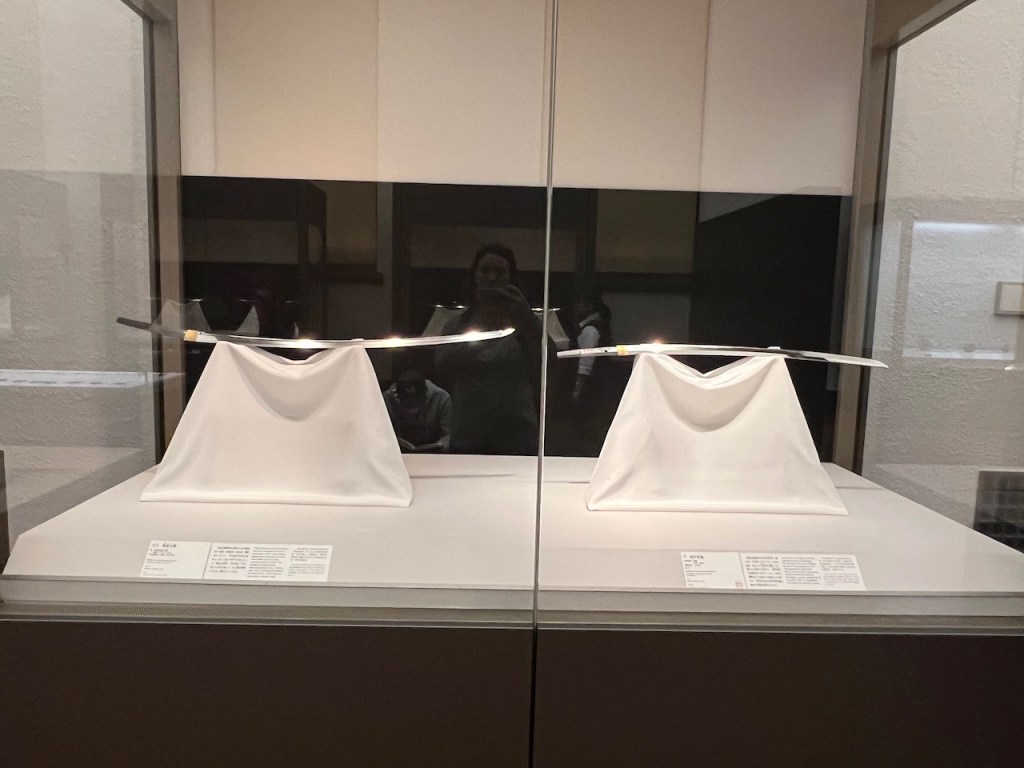
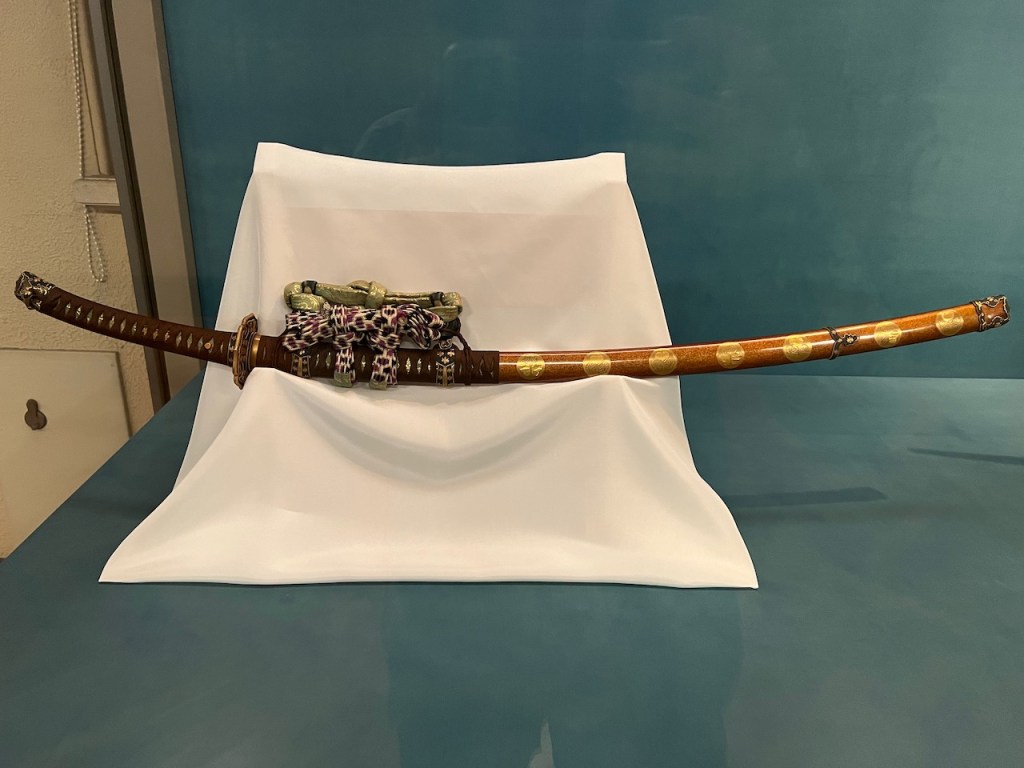
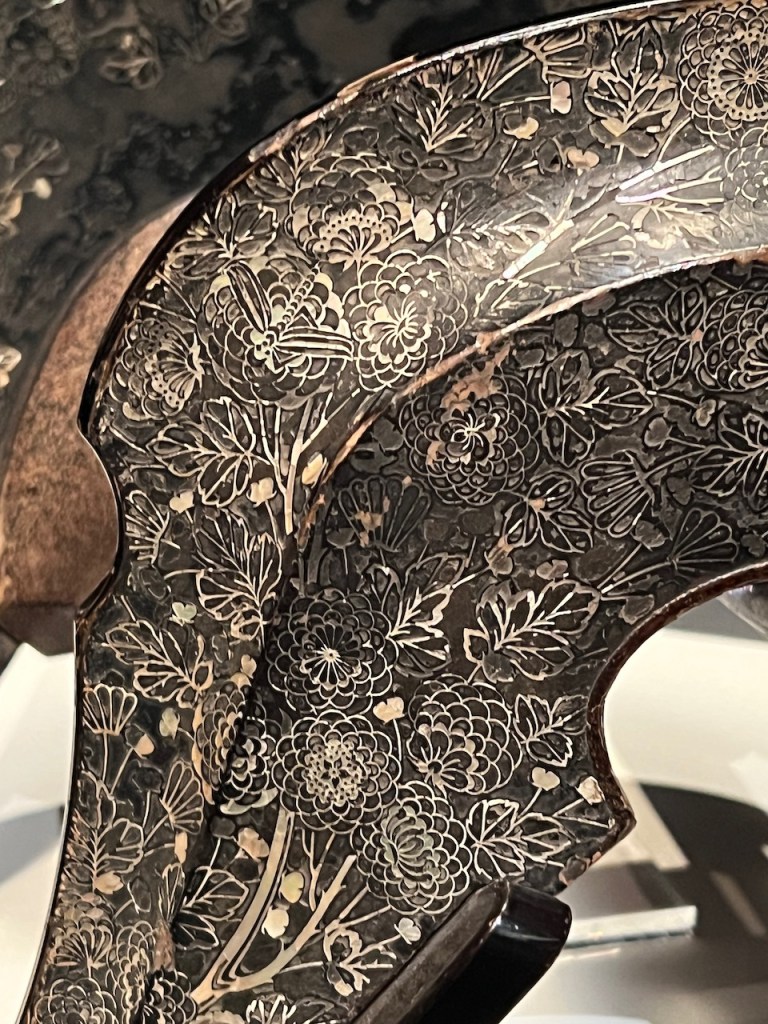


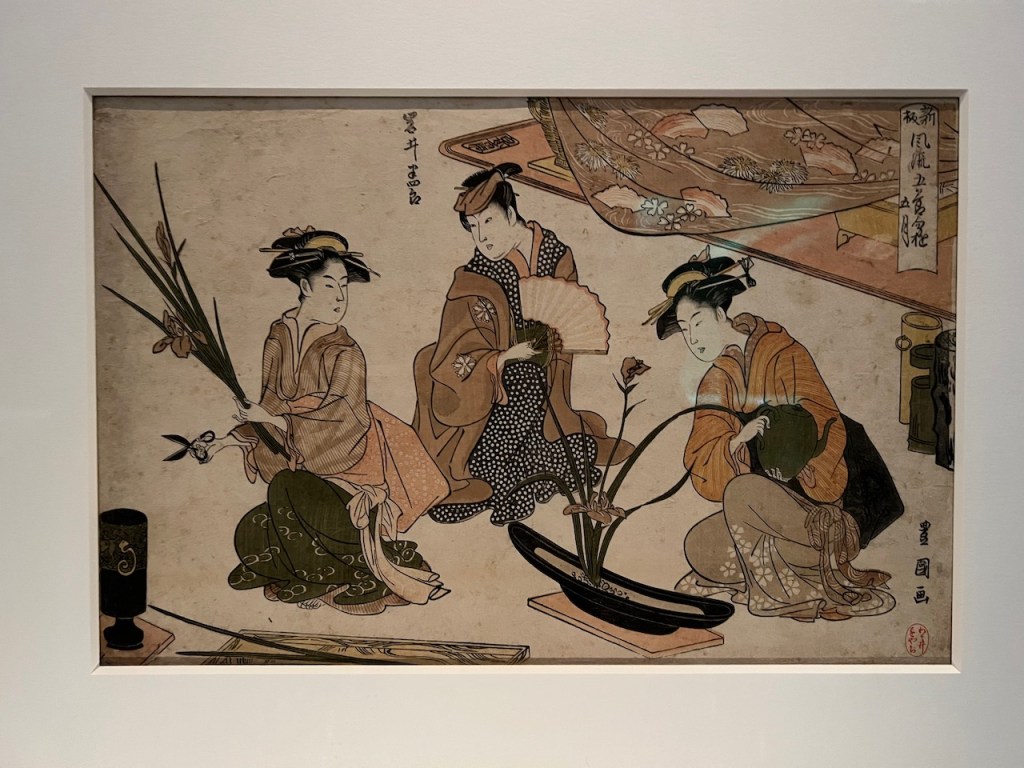
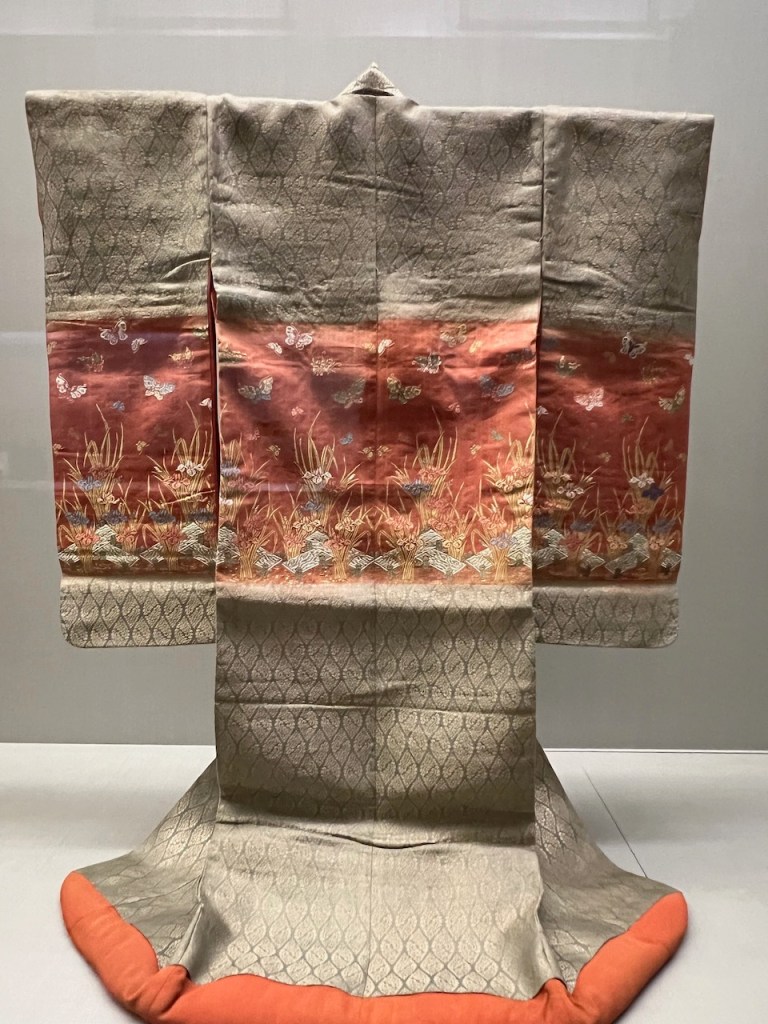
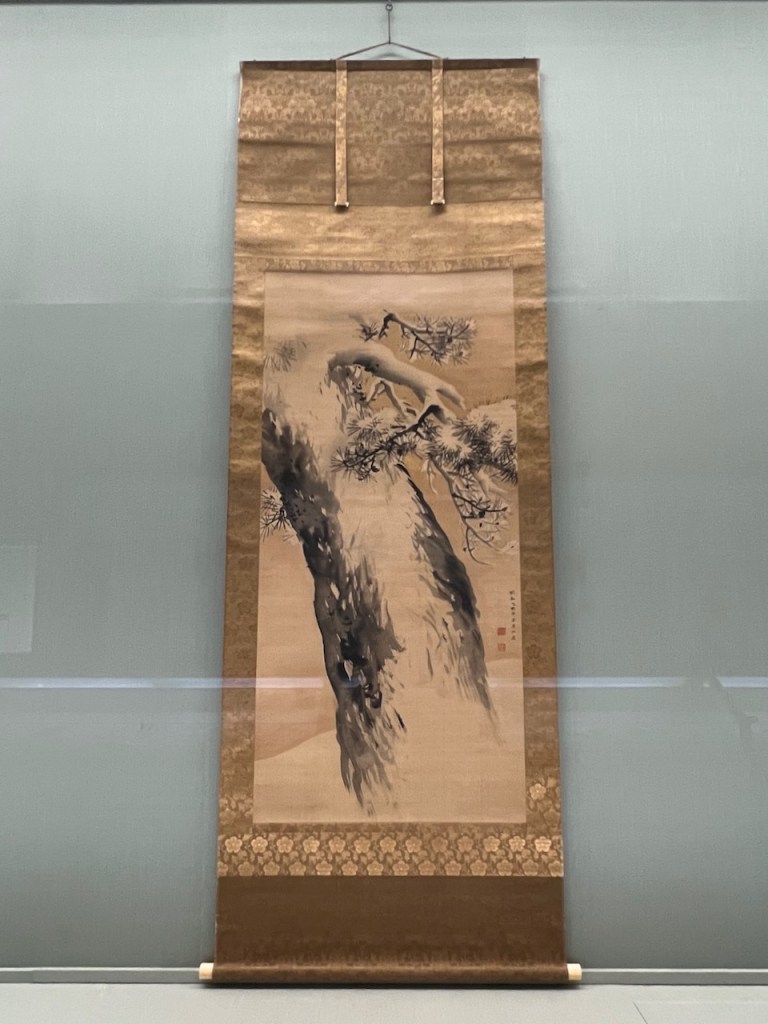
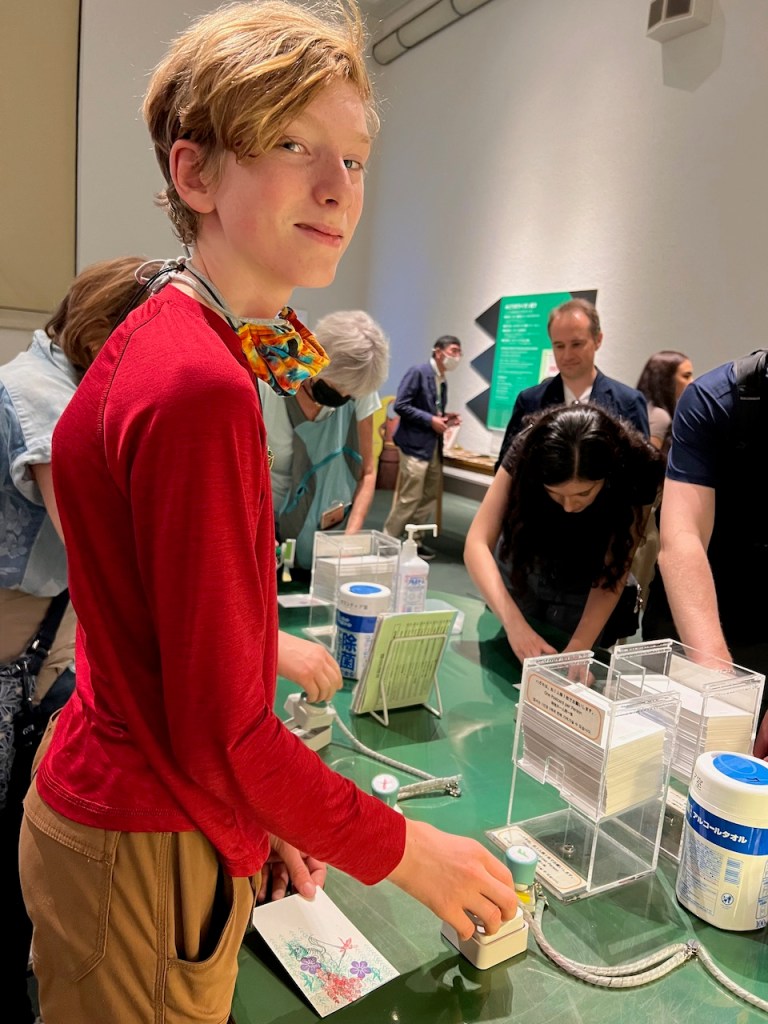
We are not big city people, but we relished exploring Tokyo by train, our day trip to the mountains, and starting to explore the unique Japanese culture that is both ultra-modern, and deeply traditional. We will return to this part of Japan, but in future I will probably stay in a smaller town like Hakone and take a day trip into Tokyo for sights we missed this time. We loved our next stop for its beautiful nature; stay tuned for our story and photos of Nikko!

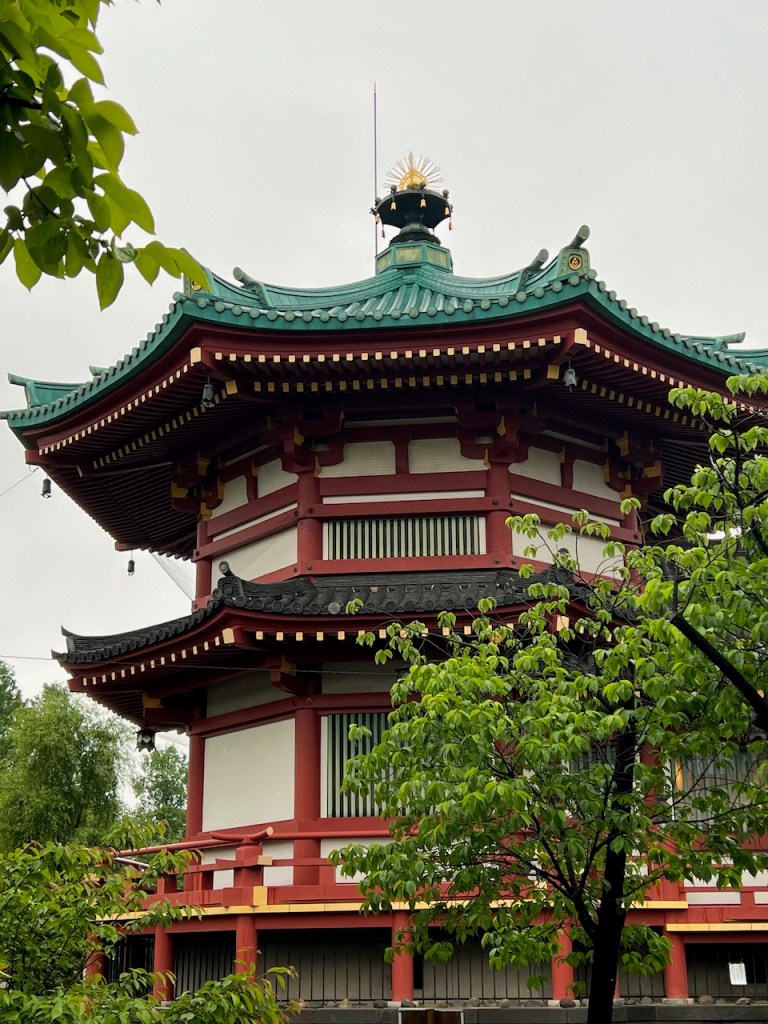

Thanks for reading to the end. Next up: Japanese Food! Don’t forget to check out our past stories and subscribe for future articles as well. Find us on Facebook and Instagram for bonus content! Please note that any links or business names provided are for information only, we did not receive any compensation for our opinions or recommendations. As always, if you are planning a trip to any location we visit we are happy to provide more details and opinions, so feel free to contact us!
 Vivid Travelers
2 responses to “Tokyo, Japan”
I read your travel descriptions with interest. We had all that without gps, internet or English signs.
I remember our trip through Tokyo the first time. Had a paper map in English and one in Kanji and one in hiragana….then some signs were in one, some in another … and it was busy even then.
It took us a while to venture out in our older Toyota and I’ll tell you a good story about the time I broke down on my way to shopping center and two guys in a truck helped me get river he side of the road pulling my car with a rope. No English. But smiles and bows helped.
☀️🌲💕🦋 Mom
LikeLiked by 1 person
[…] mentioned in the Tokyo story that a friend from college lived in Japan for a couple decades and was happy to help me plan our […]
LikeLike