by Pete Barba
To say that the Barba family loves food would be an understatement. If we were a breed of dogs, we would be Labs – always willing to do anything for a treat. From banh mi in Vietnam, to empanadas in Argentina, to mezze in the Middle East, we eat and enjoy it all. We also eat our favorites everywhere; just because we have been in a wide variety of cultures on this amazing journey doesn’t mean that we have forgotten our favorites. Pizza and gelato are now common around the world, and we can tell you our favorites and who needs improvement.
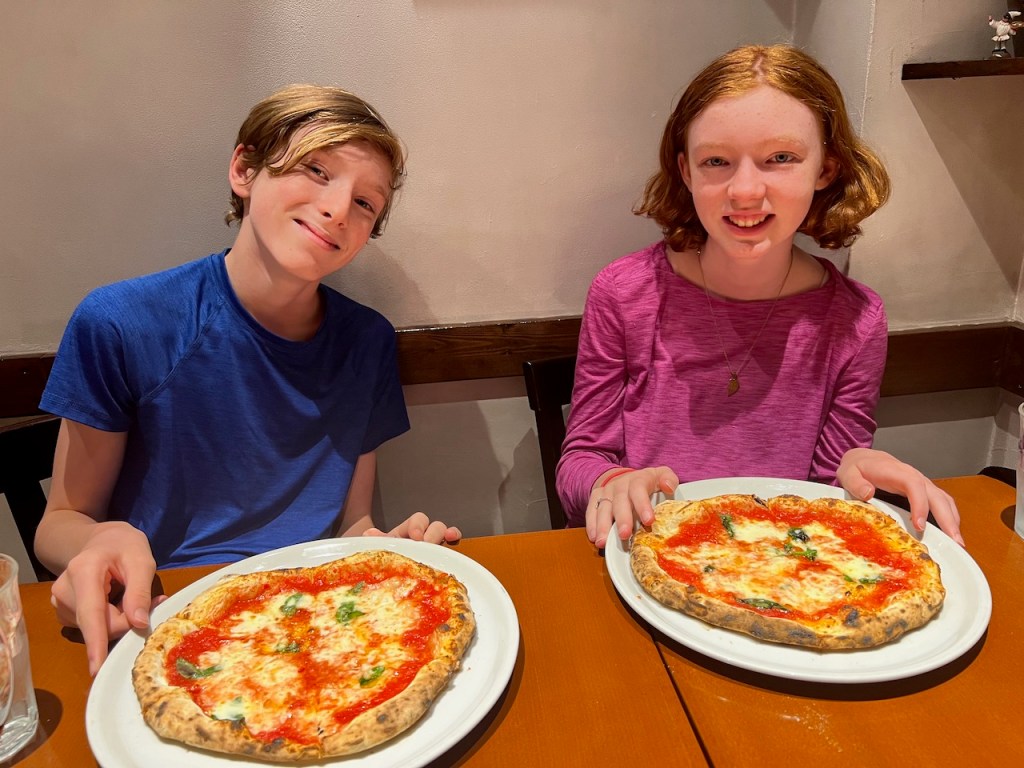

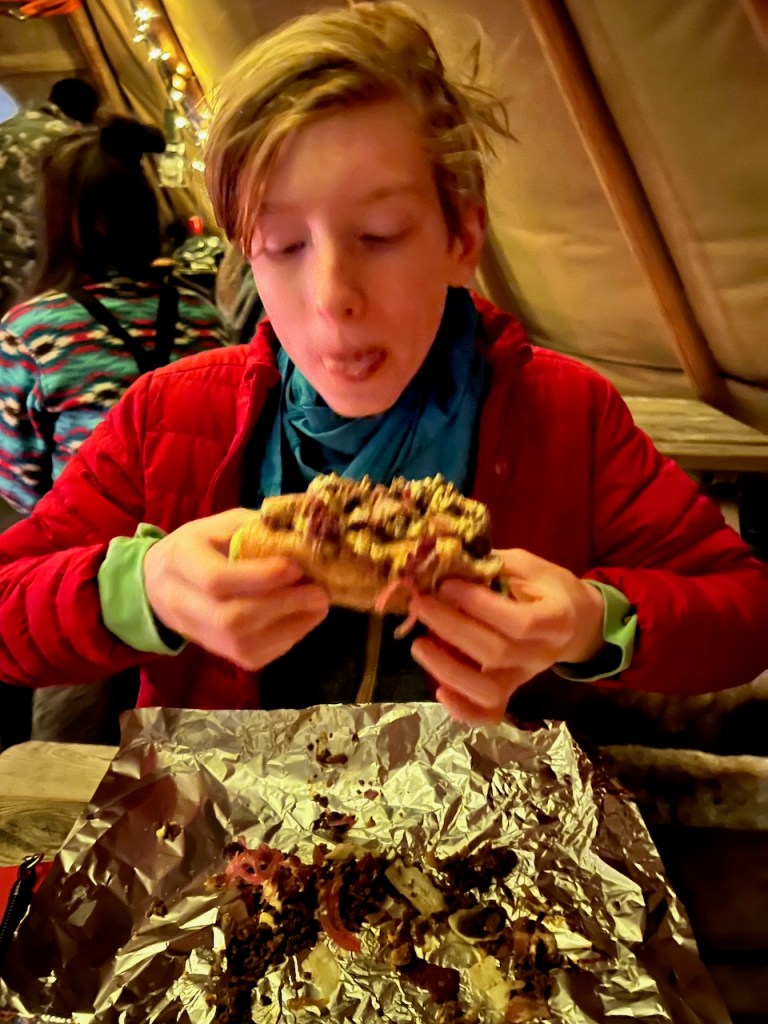
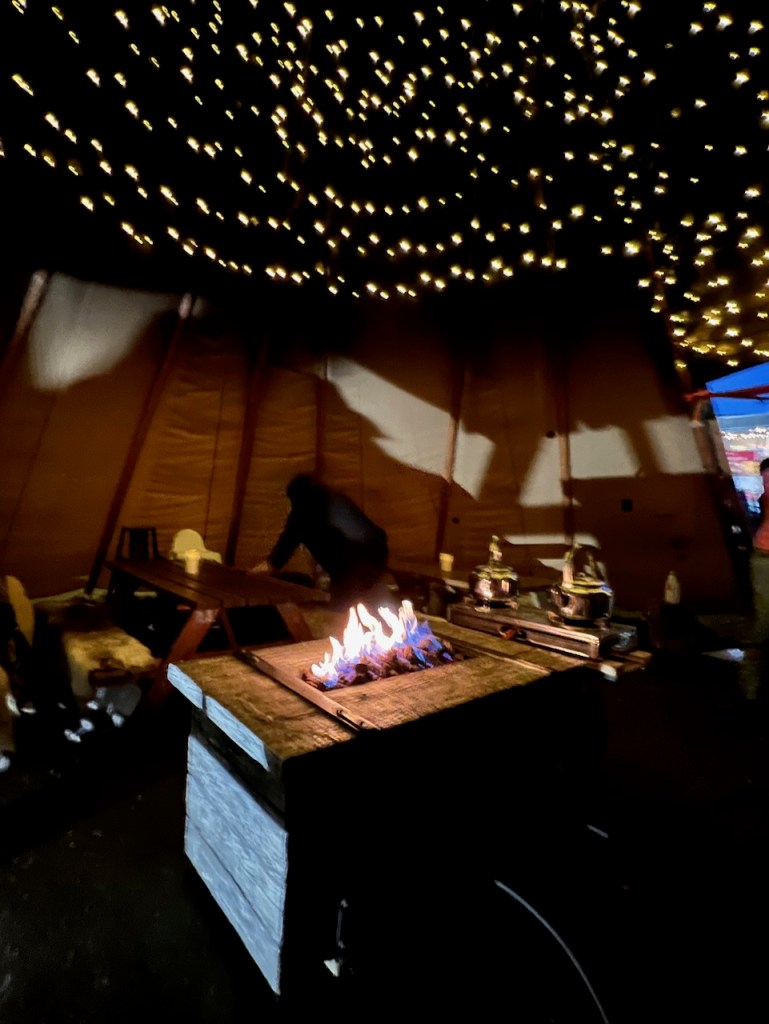
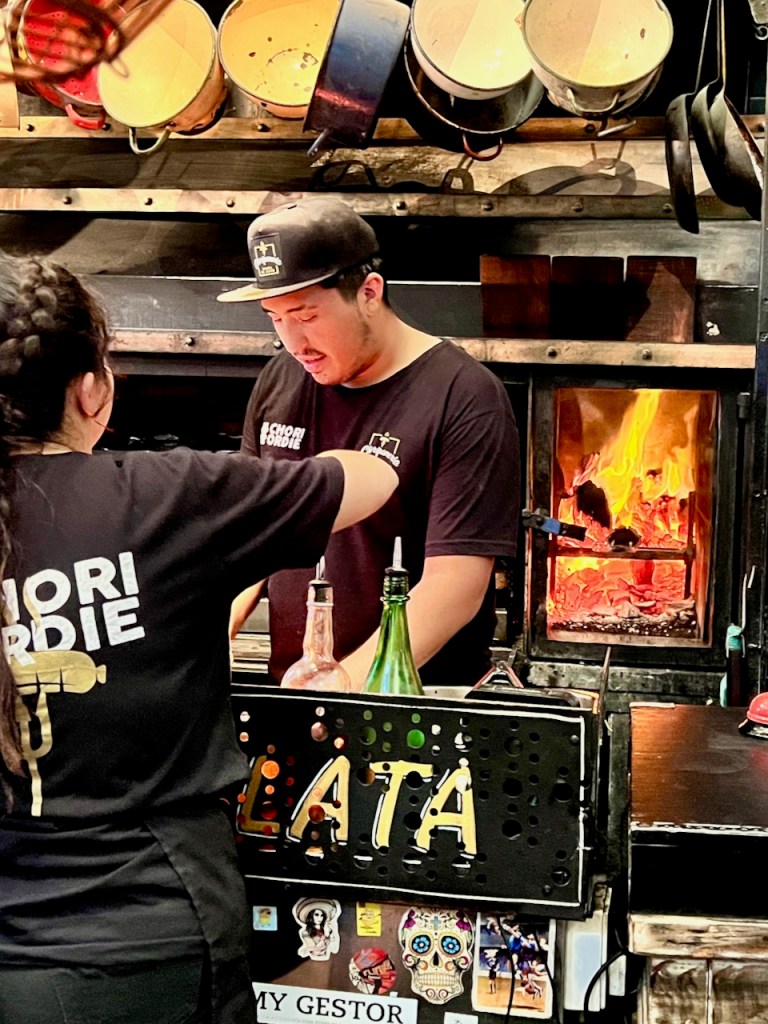
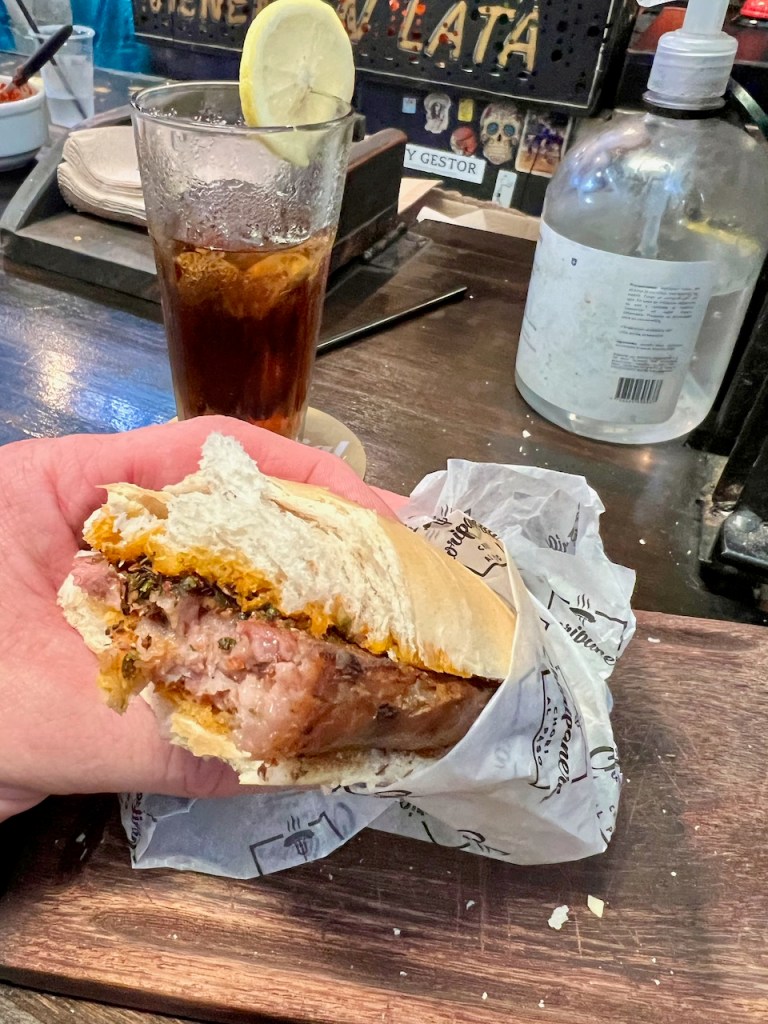
You see, we don’t just eat it all, we also remember it all. Like a highly trained rat, we remember where we enjoyed our favorite meals: fruitti di mare in Italy for our first international trip as a couple over 2 decades ago; homemade paella for our first shared meal with our best friends, 20 years ago; reindeer and moose cheesesteak in Kiruna, Sweden (in a teepee to boot) on my birthday last year; and choripan in Buenos Aires, surrounded by classic rock and served with cold beer just a few months ago.
With all our food experiences in mind, I do not lightly say the following bold statement. Of all the food cultures in the world, the best we have experienced is the food culture in Japan. I’m sure right now, Marco, our Italian friend, thinks I’ve lost my mind. I have no doubt insulted our fabulous cooking teachers in Vietnam, Thailand, Jordan, South Africa and Greece. I may even be banned from ever visiting Singapore again, considering their rightly earned pride as the Asian melting pot of food at their hawker stalls. Before anyone protests, however, let me explain.
Food culture is about far more than any meal, food, or style. In my definition, it is many high-quality meals consistent over time, price, and place, plus the pride and caring that go into the preparation and presentation of those meals that makes a food culture great. The meals don’t need to be expensive, or at a fancy table, if they come from people that put love and effort into making great food. It’s hard to find all of these factors in one place. For example, you can have the freshest and most flavorful food of your life, but if it’s prohibitively expensive and the environment is off-putting, then you can leave the meal unsatisfied. Or if one restaurant is phenomenal, but most other meals you eat aren’t worth their calories, that can lead to disappointment in the overall food culture.
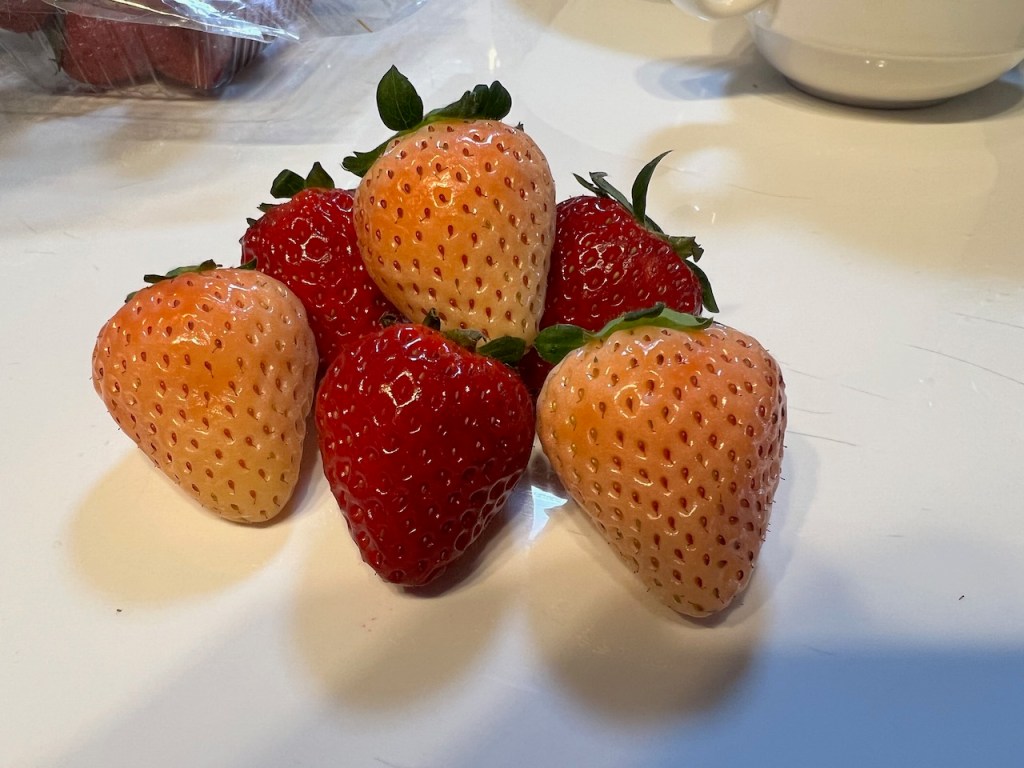
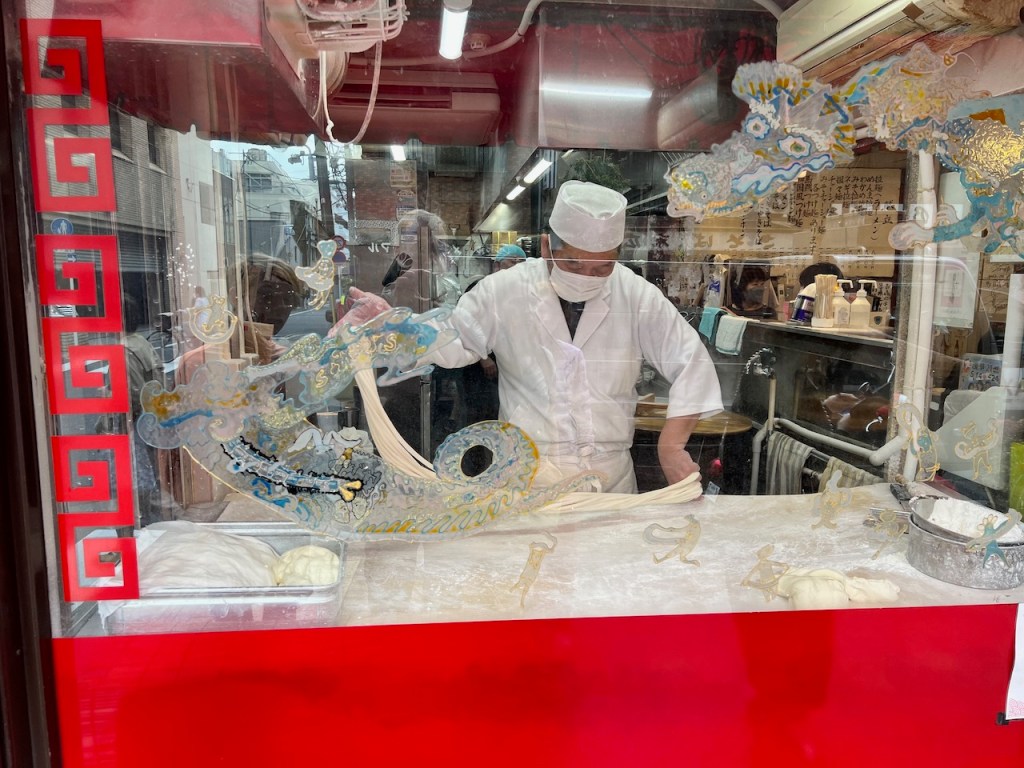
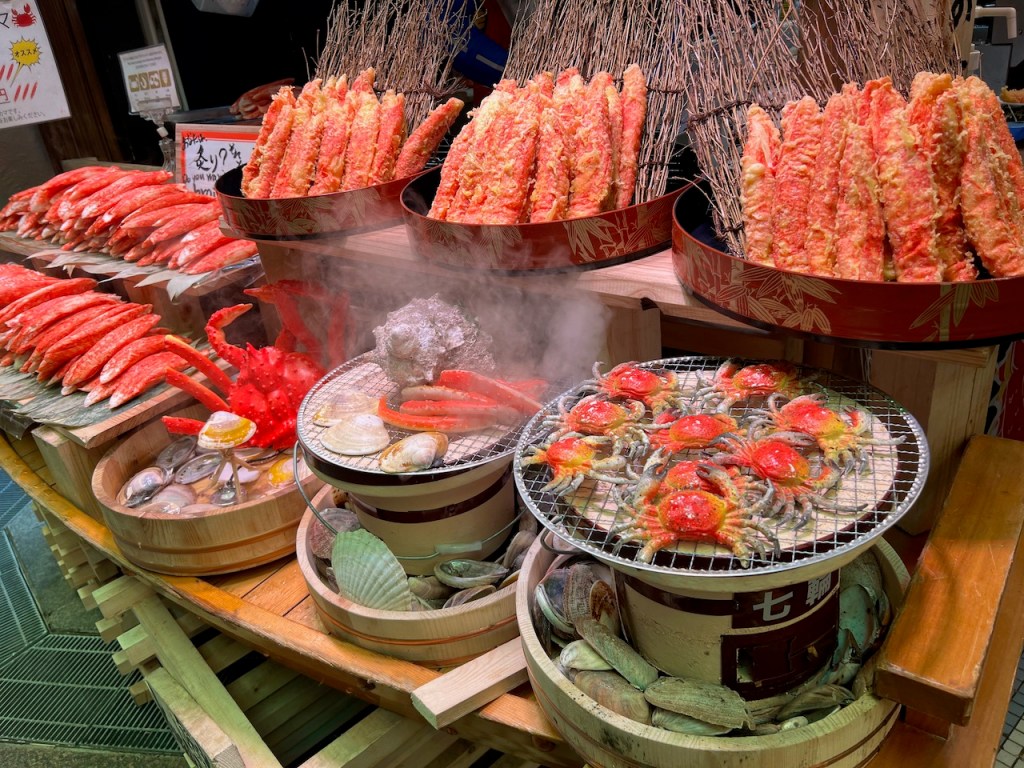
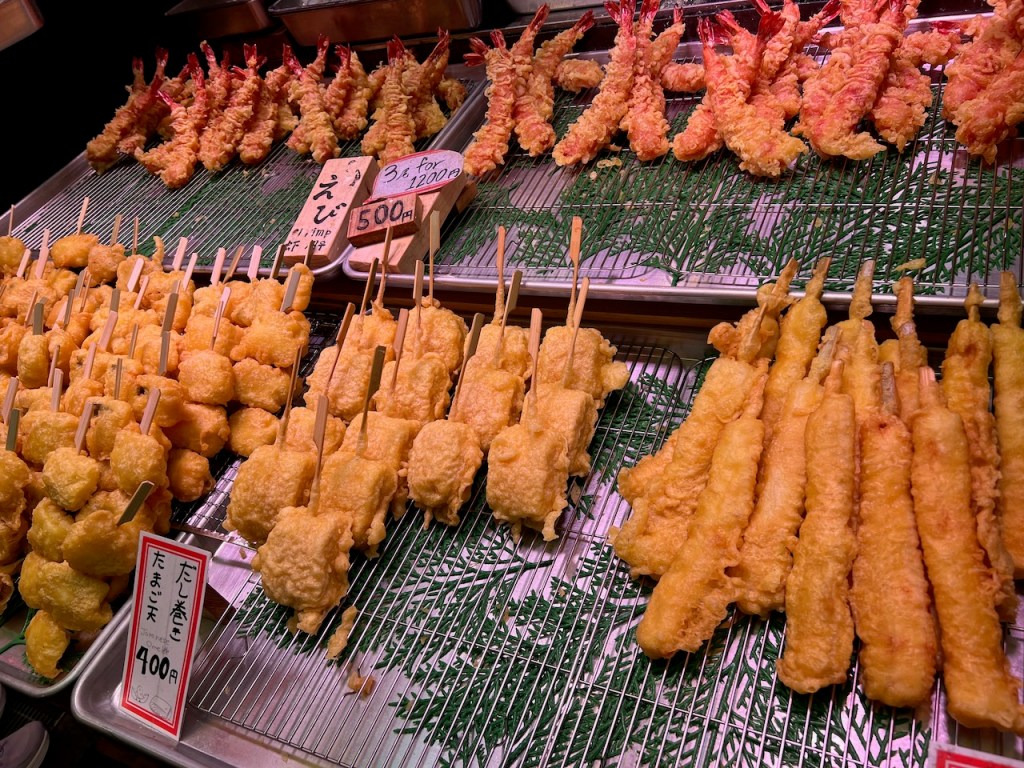
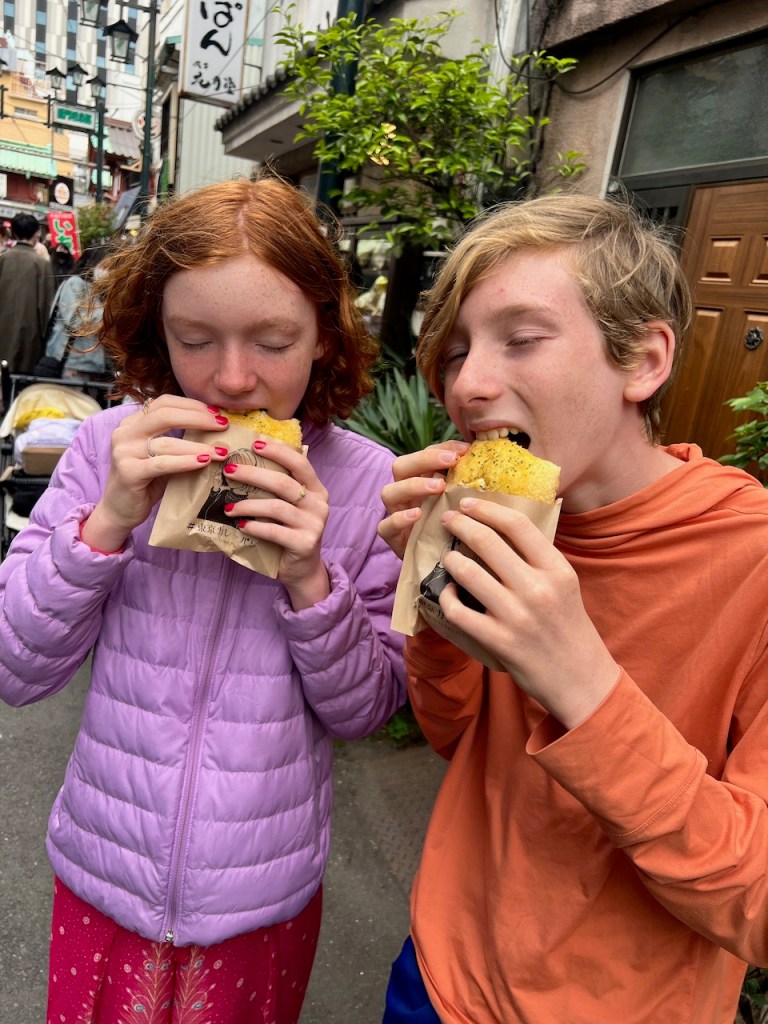
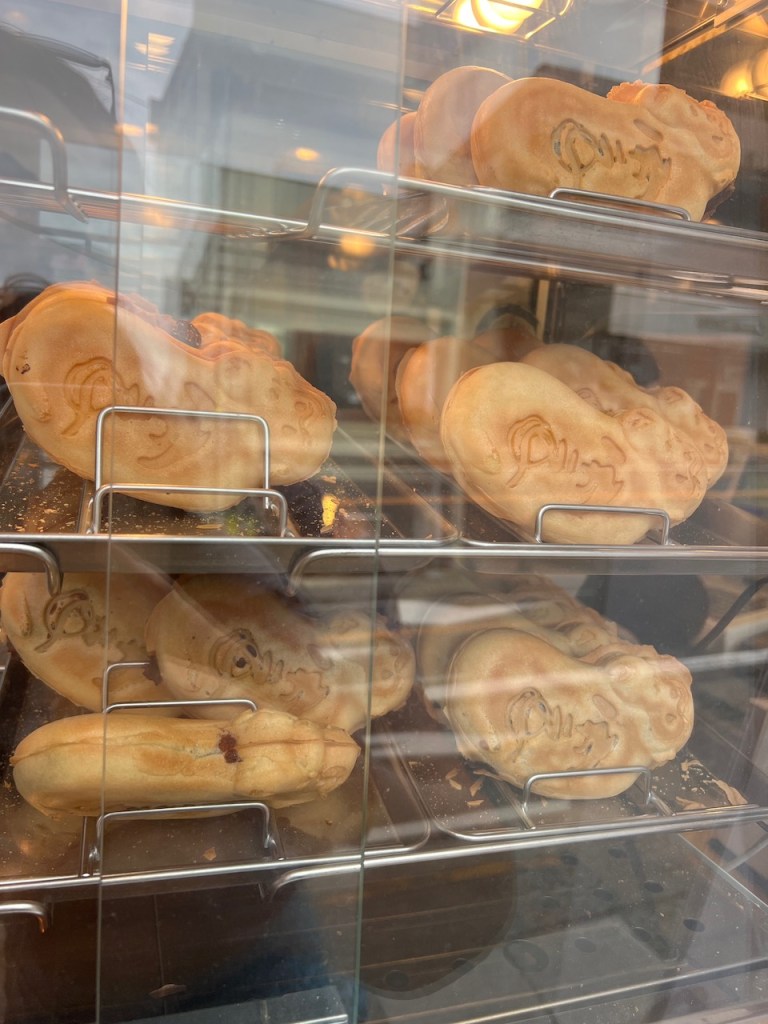
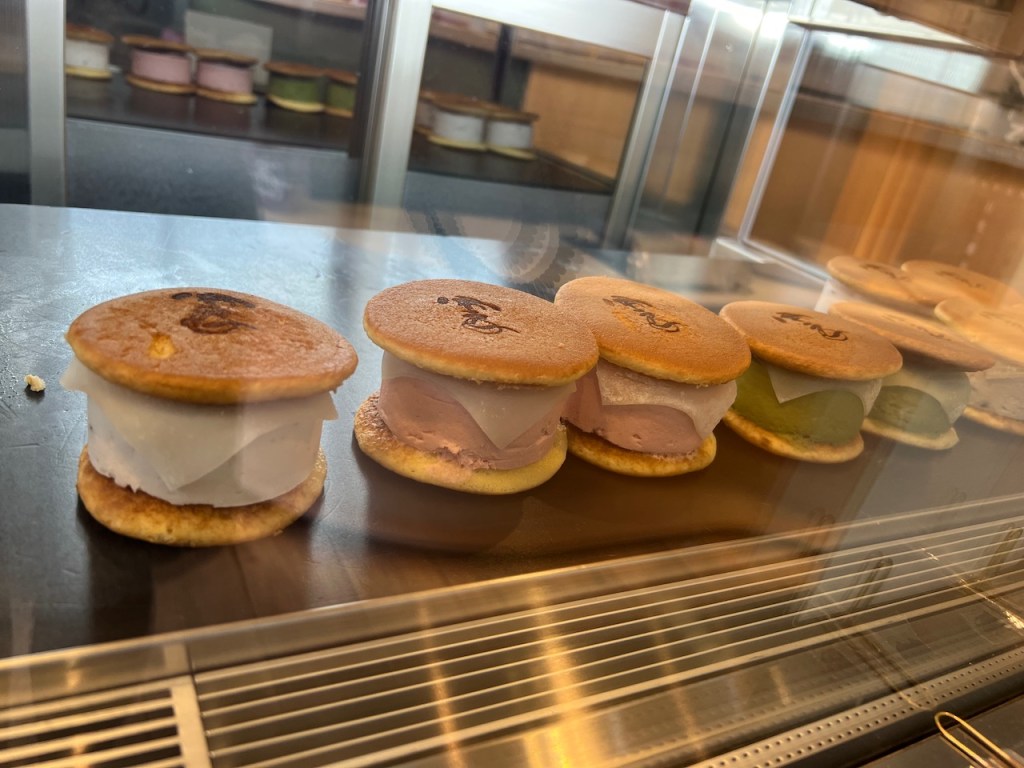
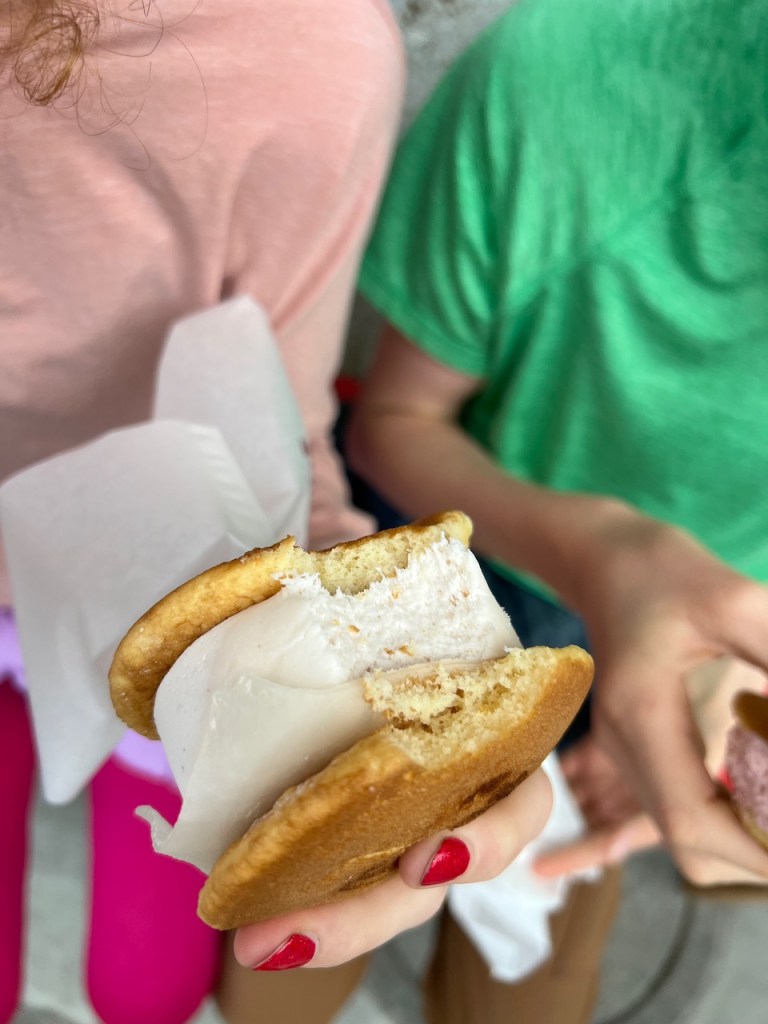
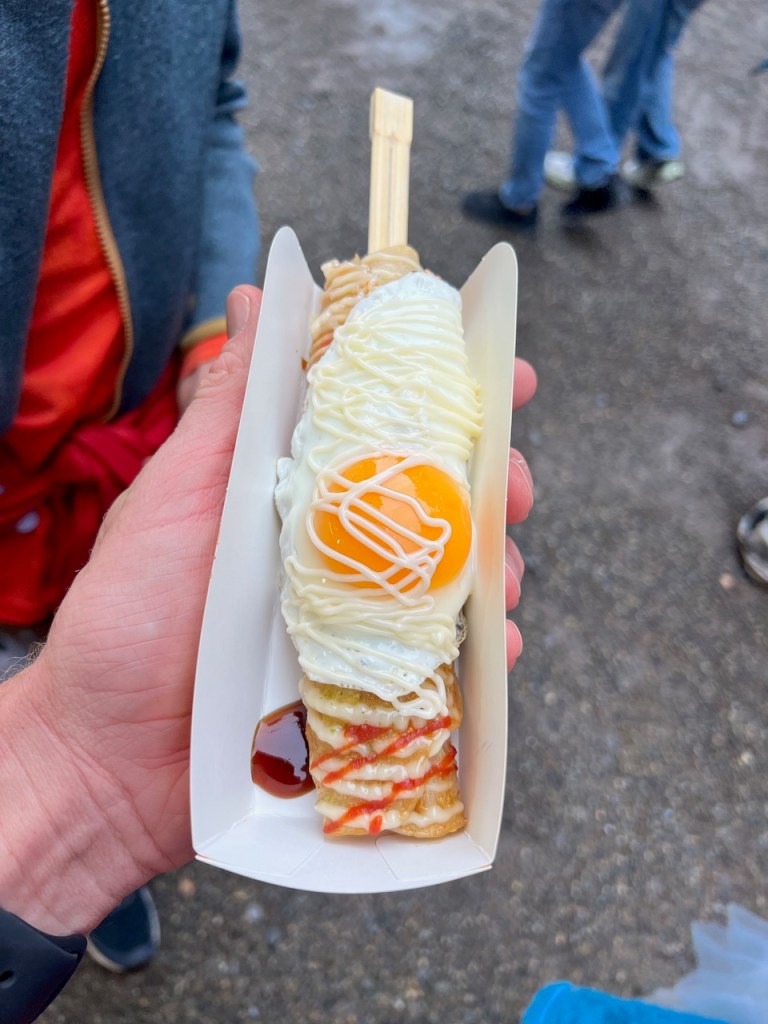
Japan is our favorite because everything we ate was exceptional, from the fanciest omakase sushi meal to 7-11 food, from traditional noodle soup to fried chicken, and from vending machine milk tea to high end sake. It was all fabulous. Thought, care, and quality ingredients went into nearly every piece of food we ate, no matter if it was the most famous or the most humble.
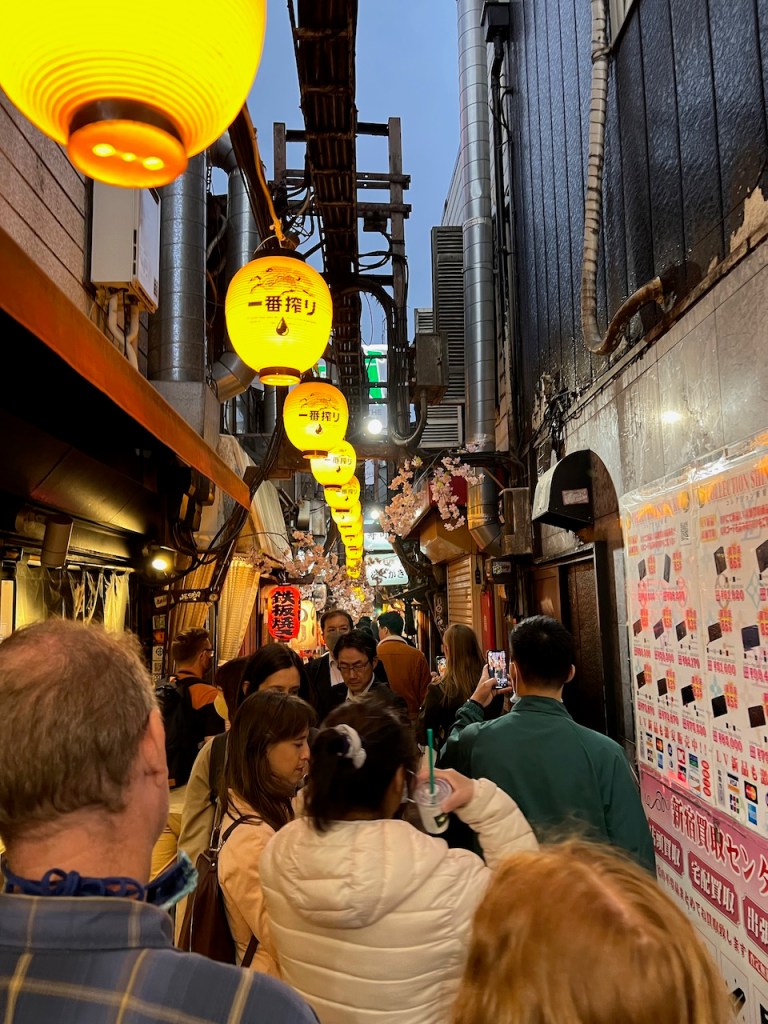
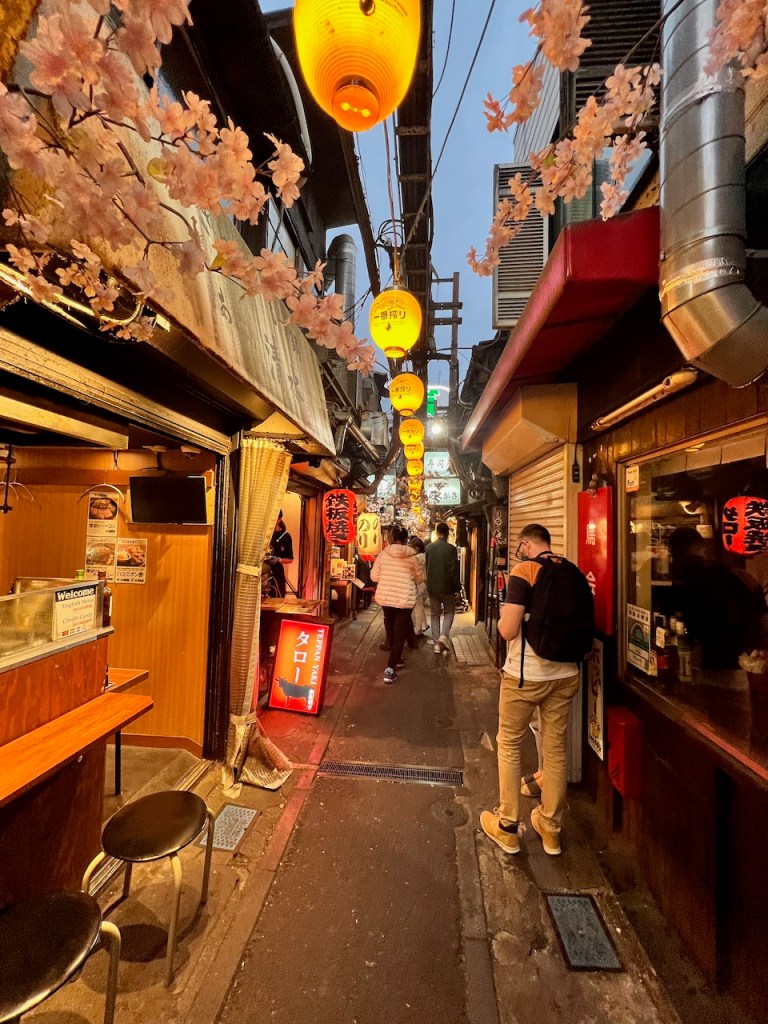
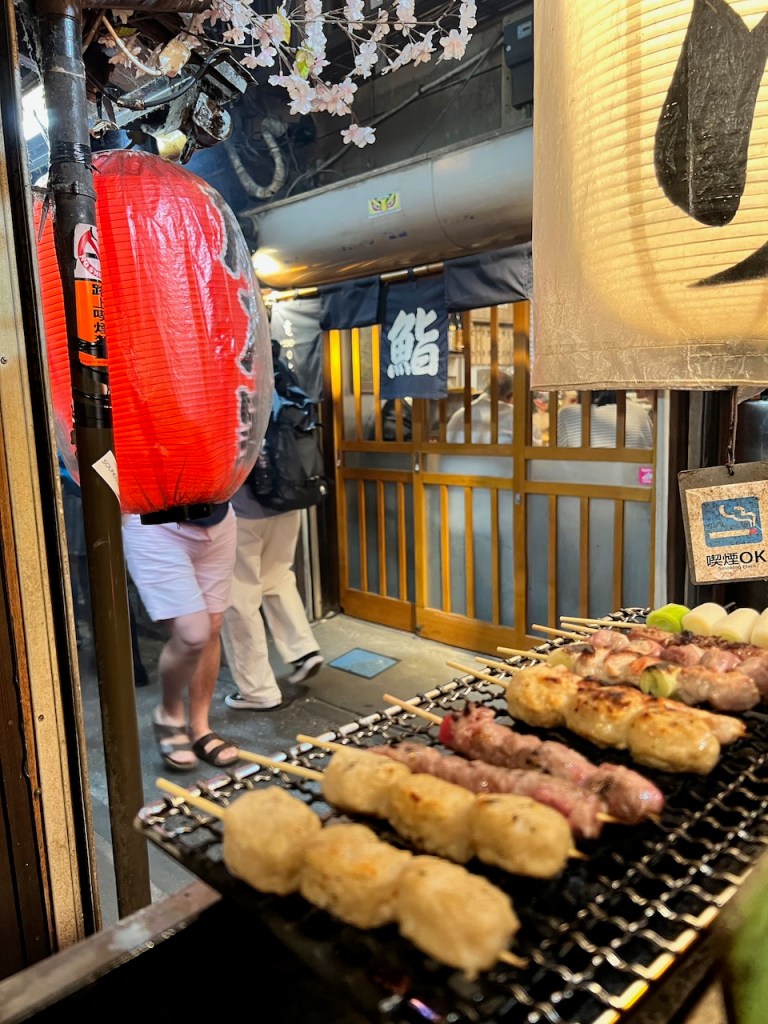
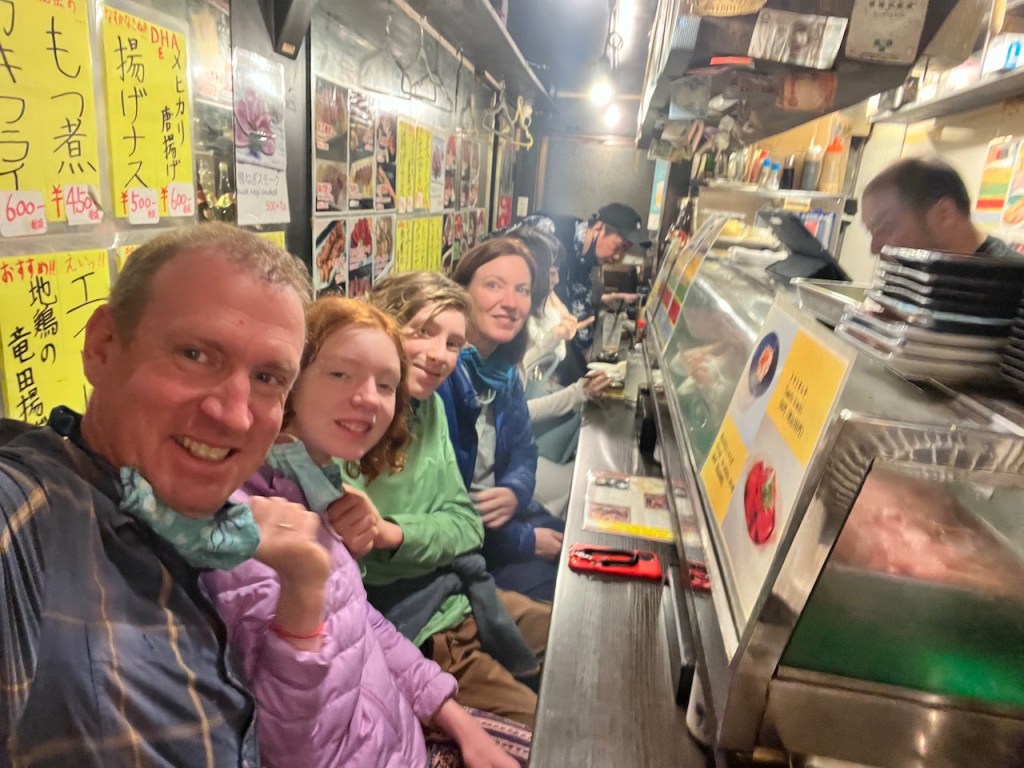
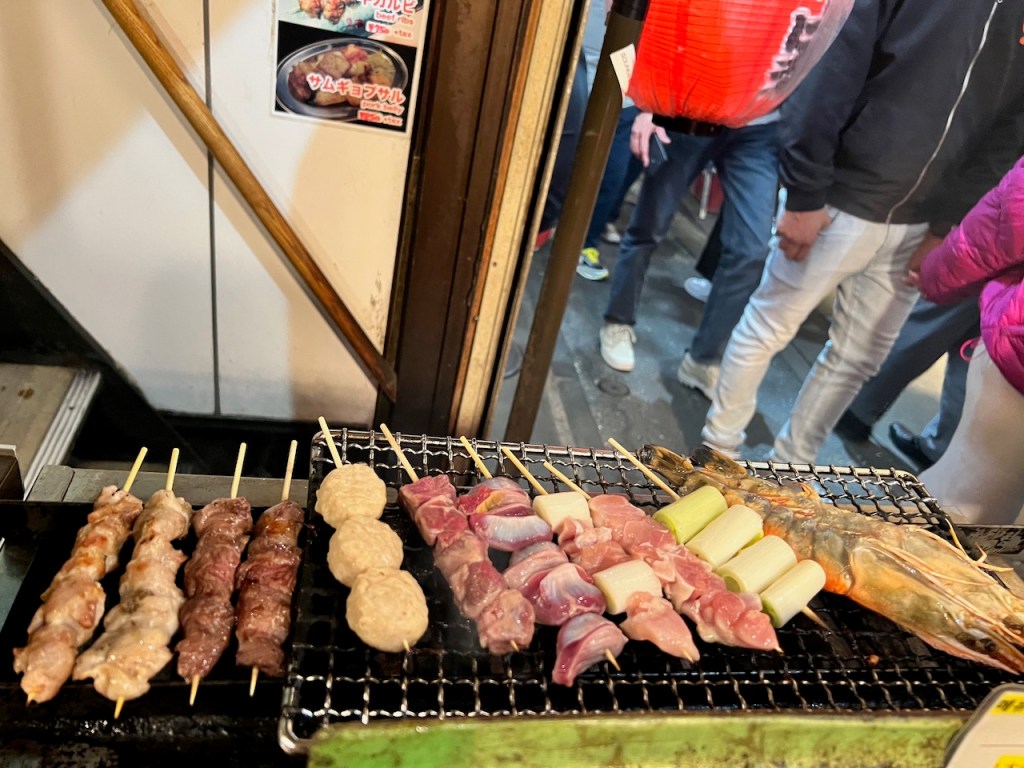
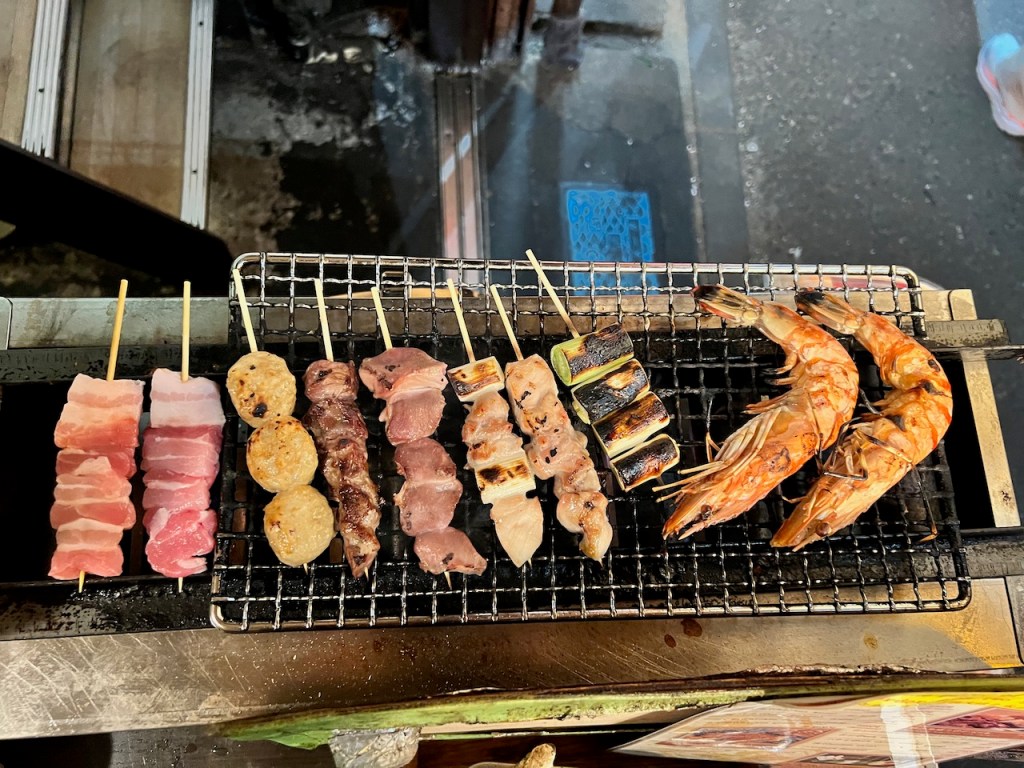

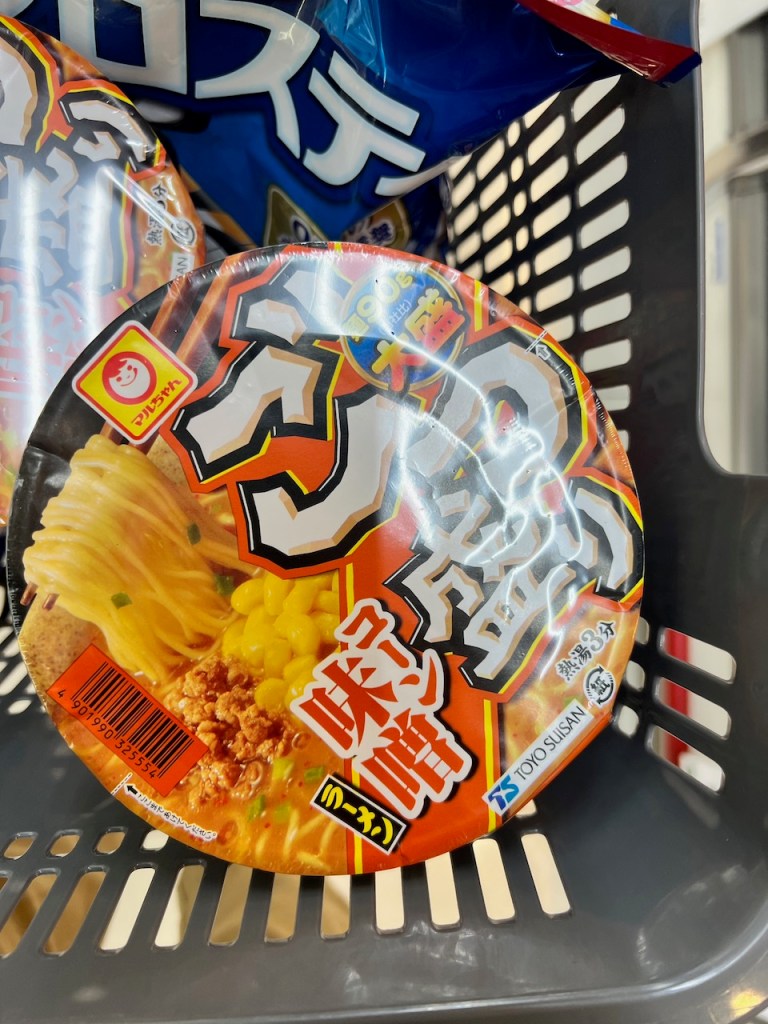
We started our culinary journey in Japan at a chain restaurant that serves ramen. This was not your typical American chain restaurant, serving hundreds of dishes (I’m talking about you, Cheesecake Factory), rather the menu had only three dishes. Miso based ramen, soy sauce based ramen, and spicy ramen. That’s it, no variation, no substitutions, no other choices. It’s rather liberating to only have three choices, with no need to study the menu for hours, worrying if you made the right choice. The broth and noodle soup did not disappoint. The flavor was unlike anything my taste buds had ever experienced- warm, salty richness that coated my mouth in a sheen of luxury for my tongue. Each bite made me crave more. Noodles and a small portion of fatty roasted pork floating in the broth gave substance to the dish. I added a small amount of heat with chili oil and it was perfect. All for less than $10 a bowl. My taste buds have never been so happy.
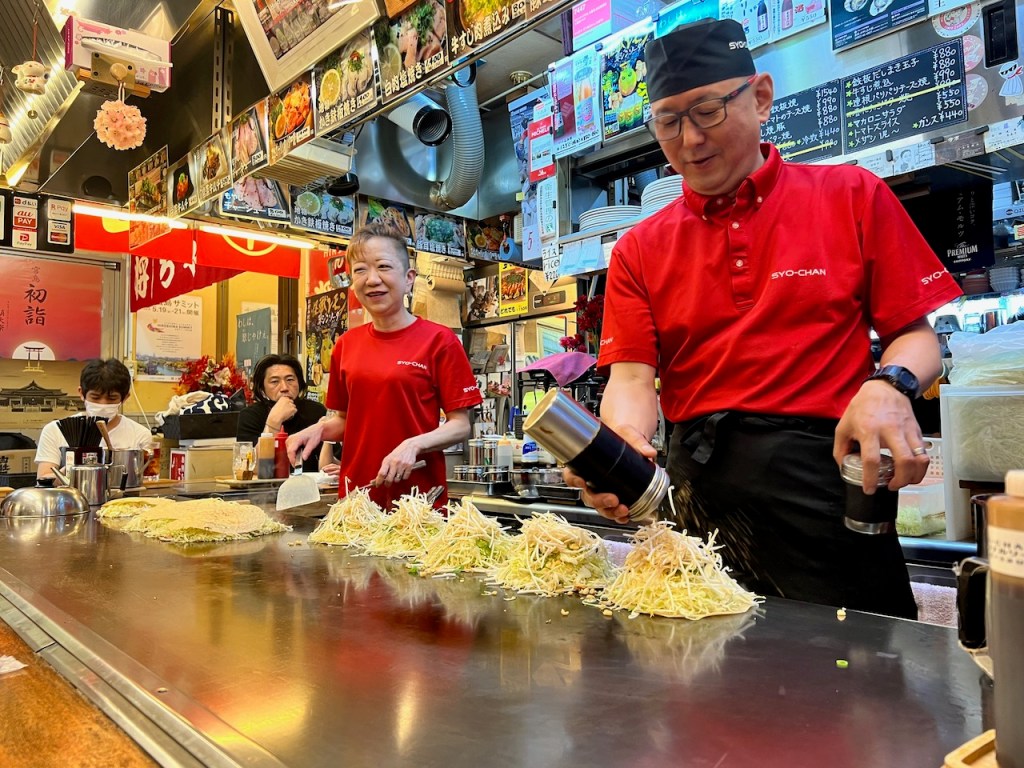
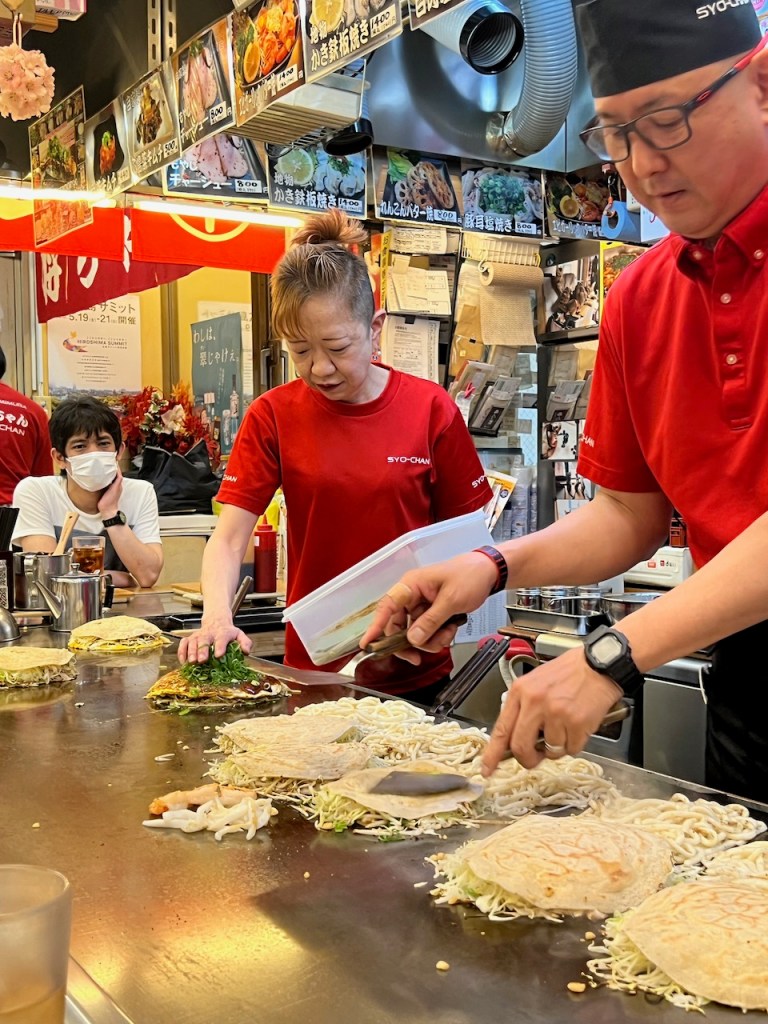

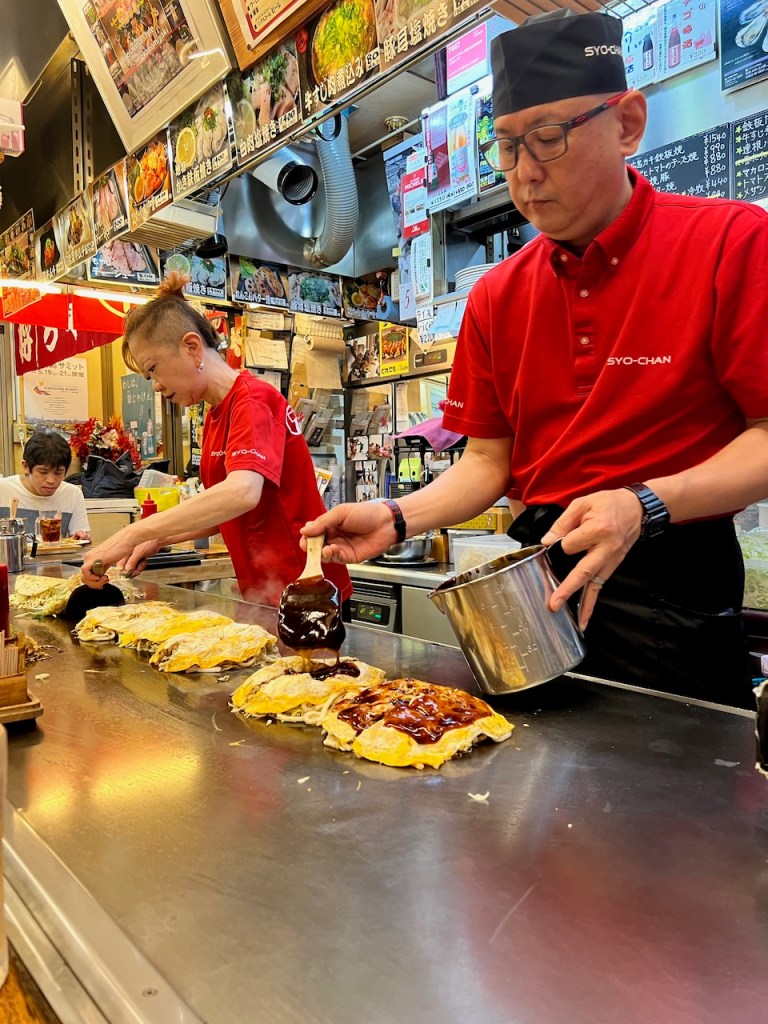
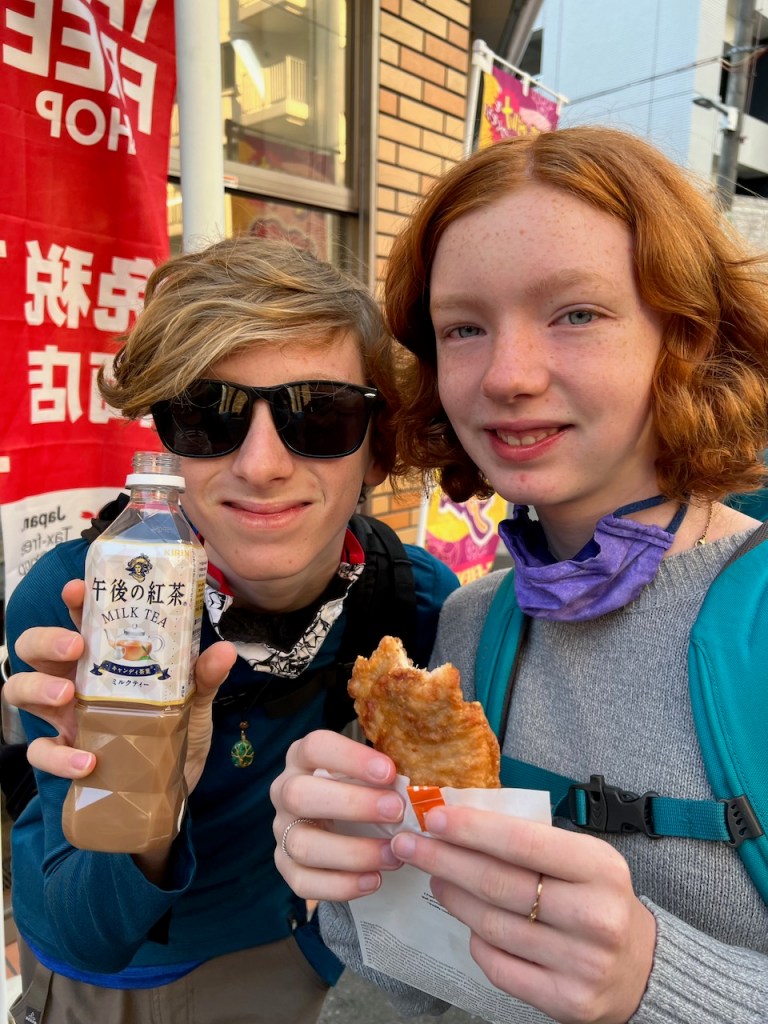
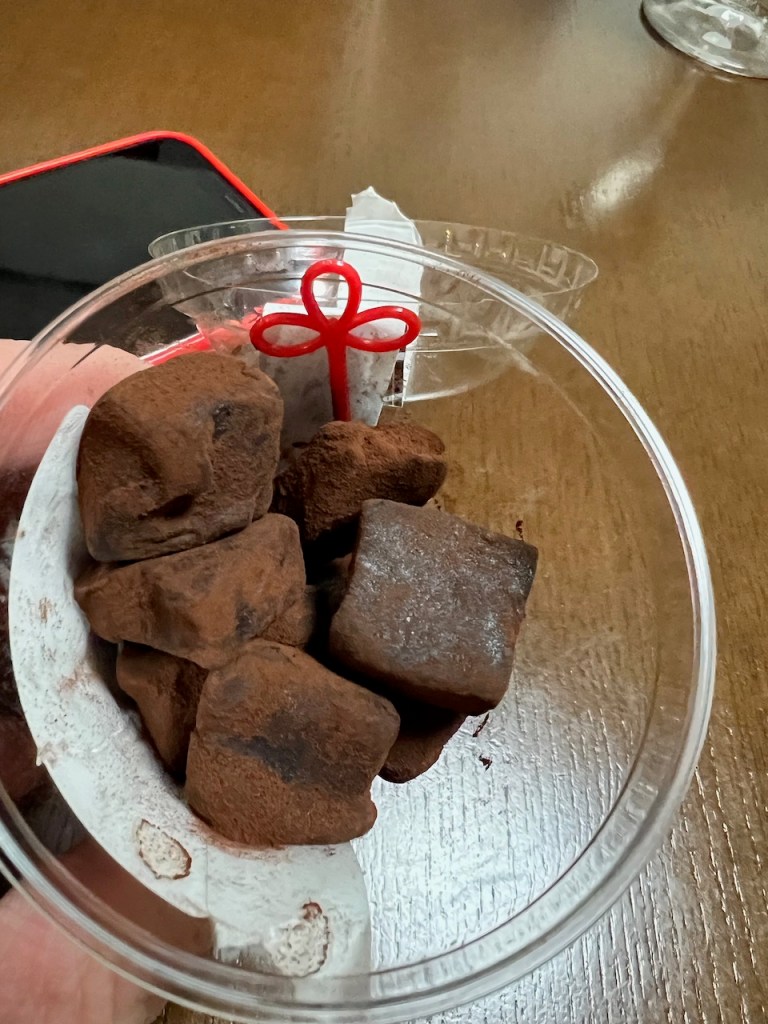
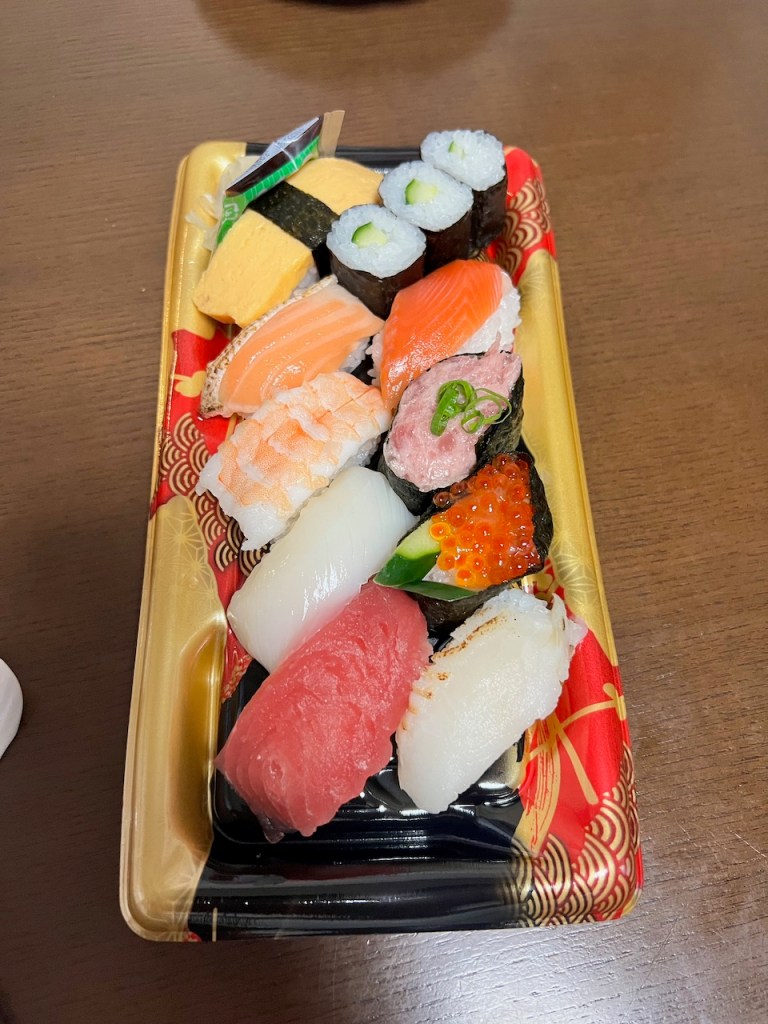
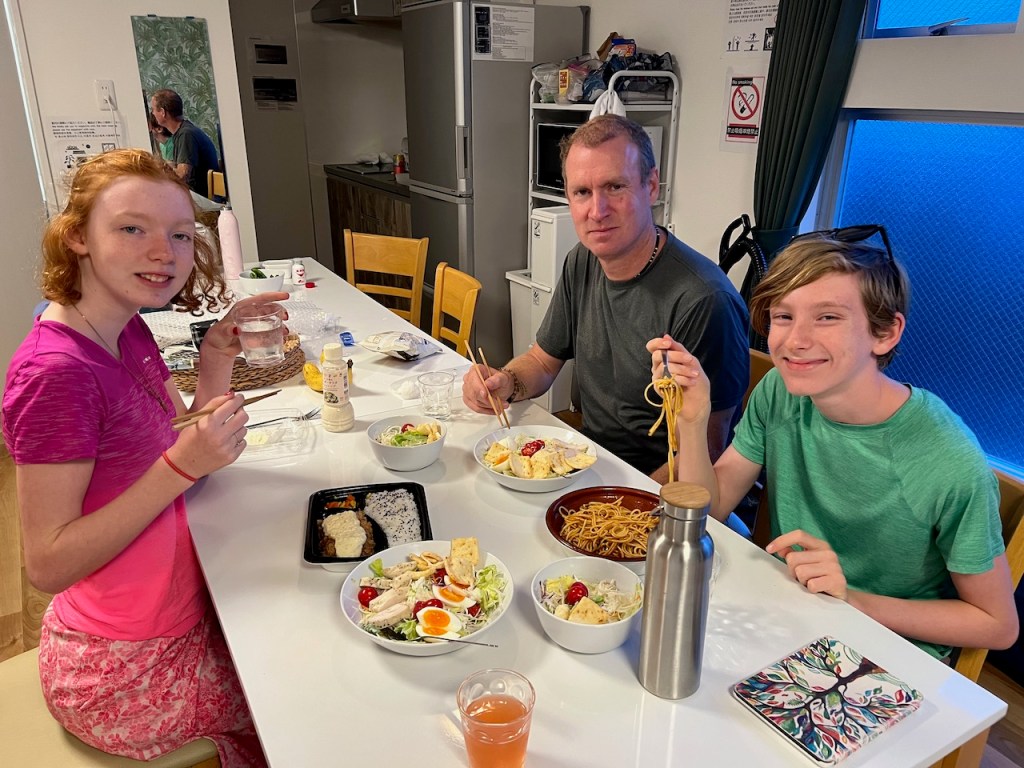
Before we went to Japan, we were concerned about the financial cost. Japan has one of the highest costs of living in the world, and we were worried that the daily spending, especially eating, was going to destroy our budget. Thank goodness for 7-11 and Lawson’s convenience stores. I sometimes wonder if fancy food is worth it. We’ve eaten our share of expensive meals in our lifetime, but oftentimes it’s the unexpected cheap meals that stand out. In Japan, it was the convenience stores that really shocked me with their high quality of food. The kids and I swear that the fried chicken from 7-11 is the best we’ve ever had in our lives. Move aside Colonel Sanders, 7-11 just beat you at your own game. 7-11’s chicken is moist succulent boneless thighs, coated in a thin layer of crumbs and spices, and fried on site for the bargain price of $1.50. Not to be overshadowed, the egg salad sandwiches, prepackaged at both Lawson’s and 7-11, became staples of our breakfast. They are made with rich and creamy eggs on white bread with the crusts cut off. Somehow these sandwiches (at a bargain 200 calories and $1.50) were able to fill us all morning despite our 20,000 daily steps. If we wanted something quick and easy for dinner, the convenience stores had affordable poached salmon filets, a wide variety of salads, soft boiled eggs (somehow flavored with soy sauce despite being in their shells), more than passable sushi, and hundreds of other fresh, prepackaged meals that were delicious and affordable. More often than not we would assemble a delicious dinner of salad with fresh seafood, or dried ramen with chicken and a poached egg, for under $20 for the 4 of us. Very budget friendly.

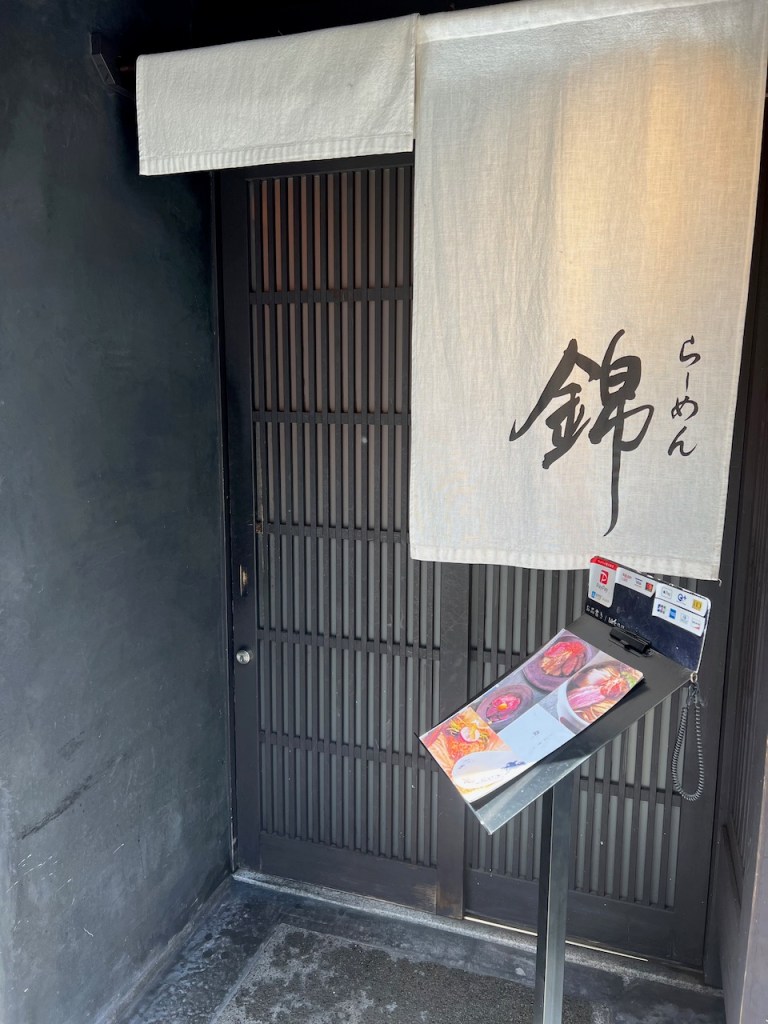
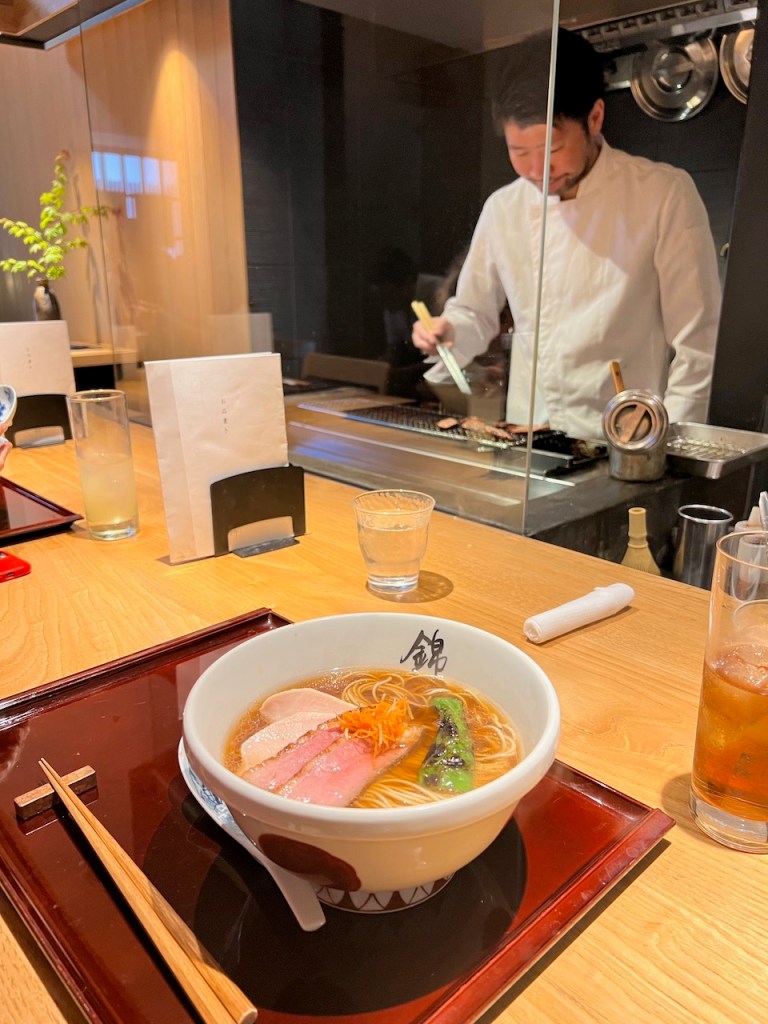
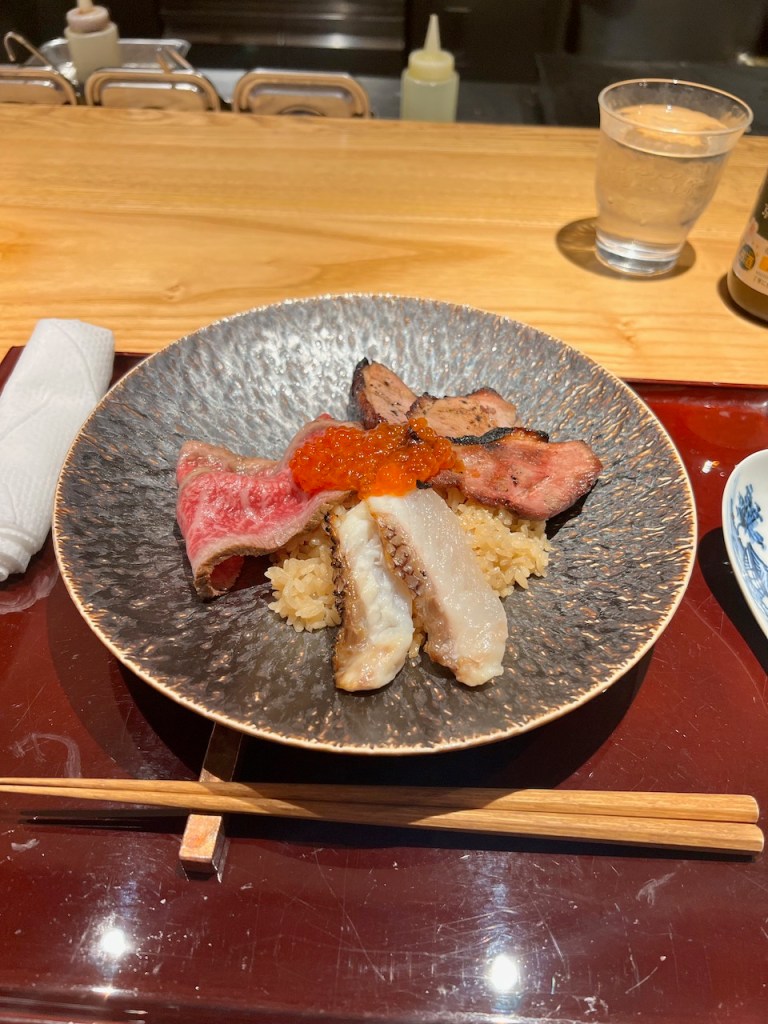
I think what really made Japanese food great was the commitment to making sure it was consistently done well, from 7-11 to higher end restaurants. This attention to detail and precision was evident in a small ramen restaurant in Kyoto we visited for lunch one day. The Japanese are patient people and will wait in line for food. We waited, and waited and waited some more, for over an hour to just get inside. Truth be told, we didn’t even know much about the place, but whenever I see a line of locals at a restaurant, I know it’s got to be good. Once inside, we saw the reason for the wait. The space was modern, clean, cool, and small, with only 8 seats at the counter. No extras and no anonymity here, just chairs, a polished wood counter, a grill, a pot of stock, the chef, and a tiny open kitchen. It was a one man show with the proprietor being the chef, dishwasher, waiter and host. The menu was limited to 8 dishes, 4 kinds of ramen and 4 meat over rice dishes, all for about $10 each. Once again, limited choices but unlimited perfection.
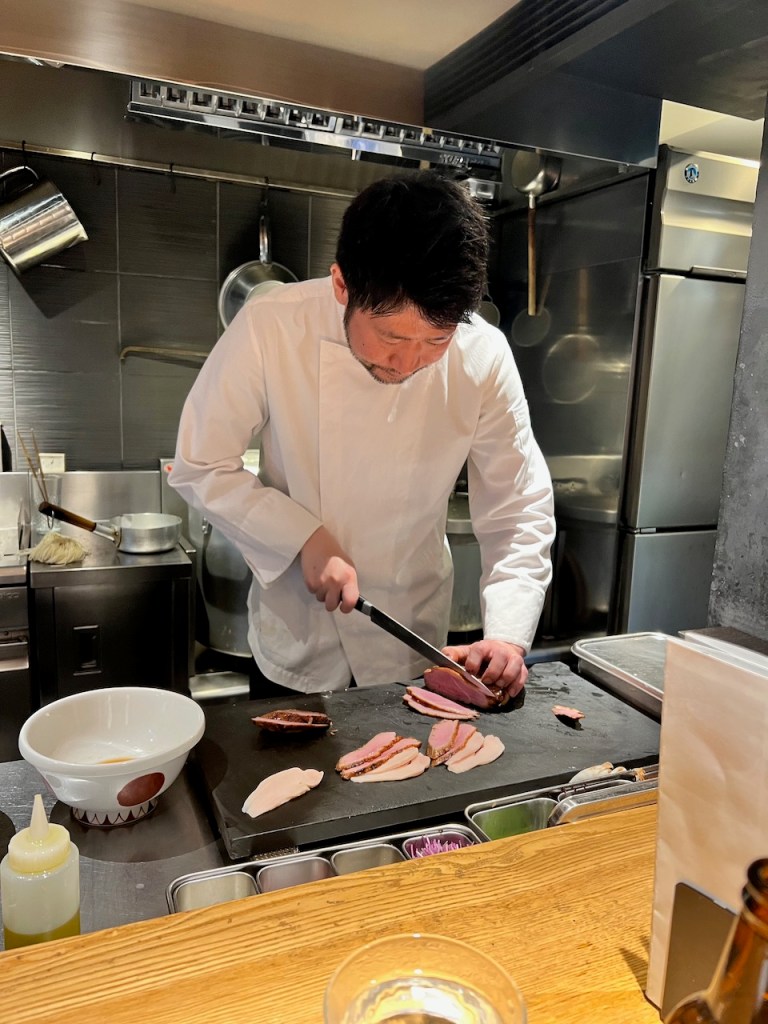

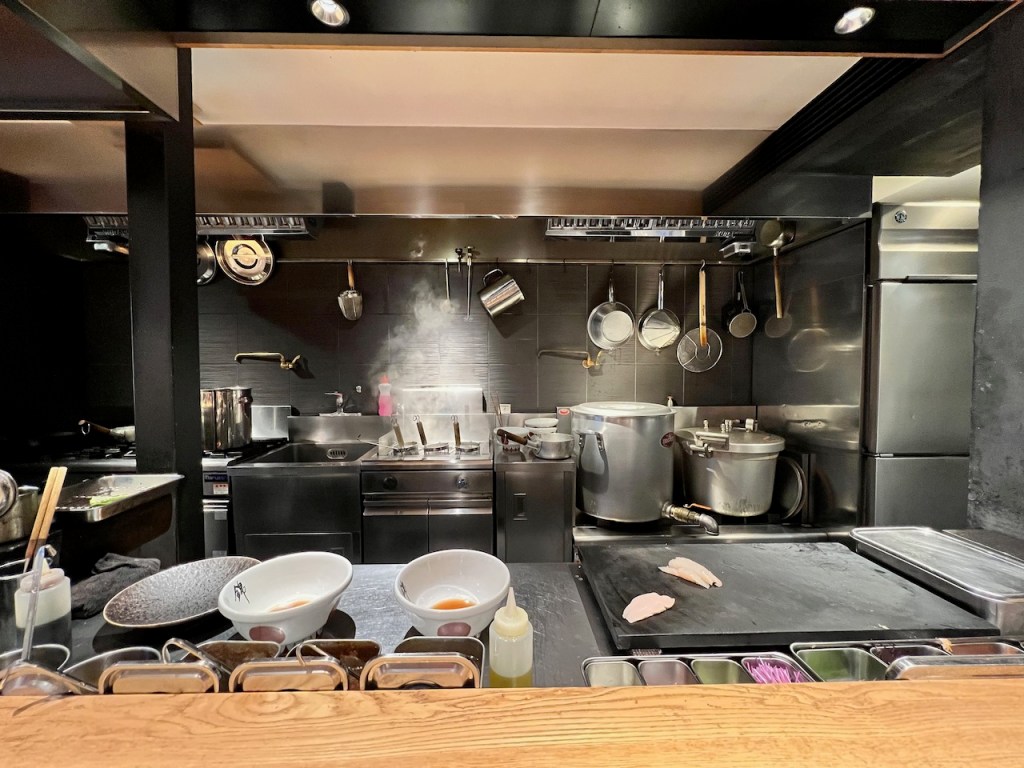
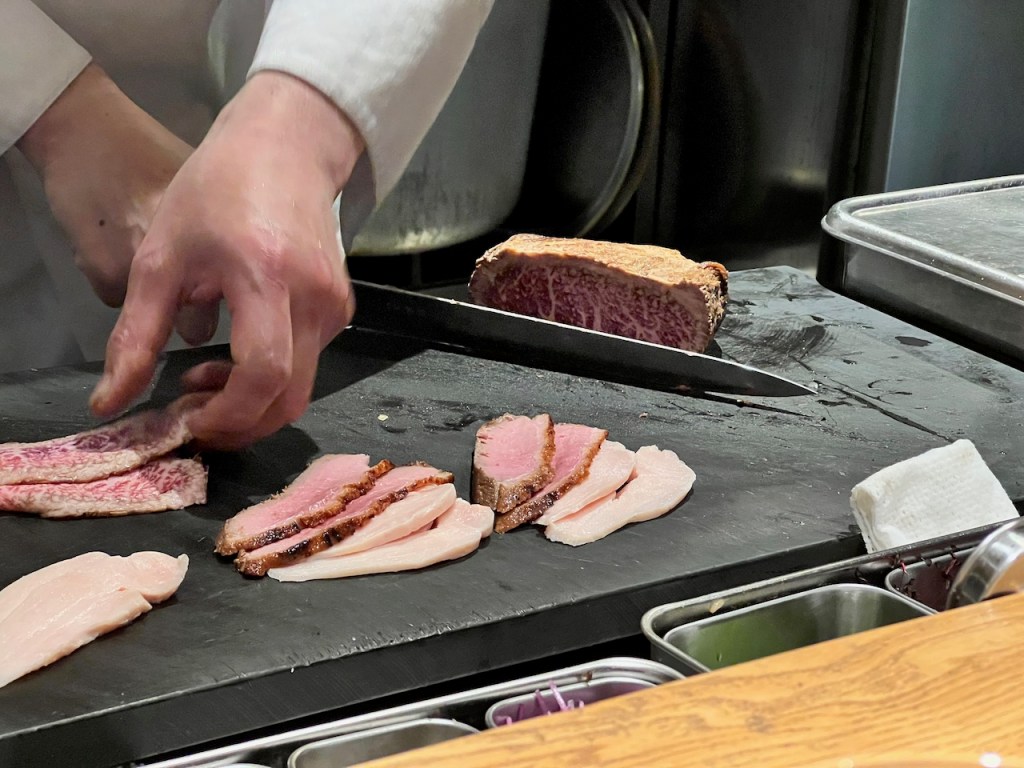
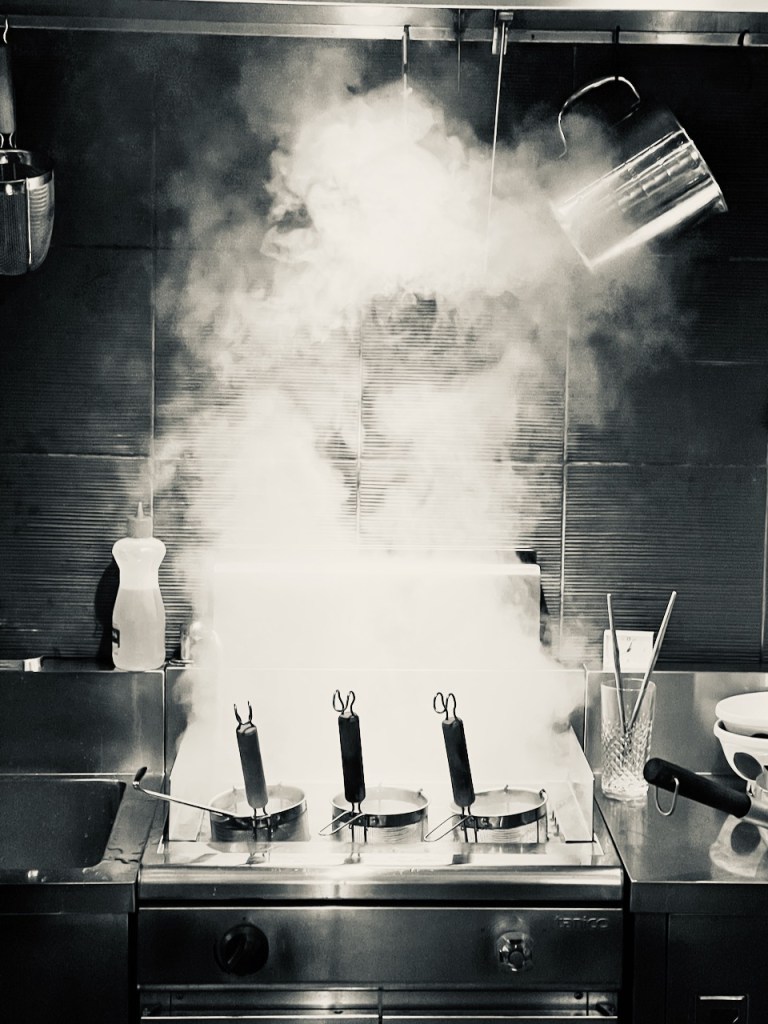
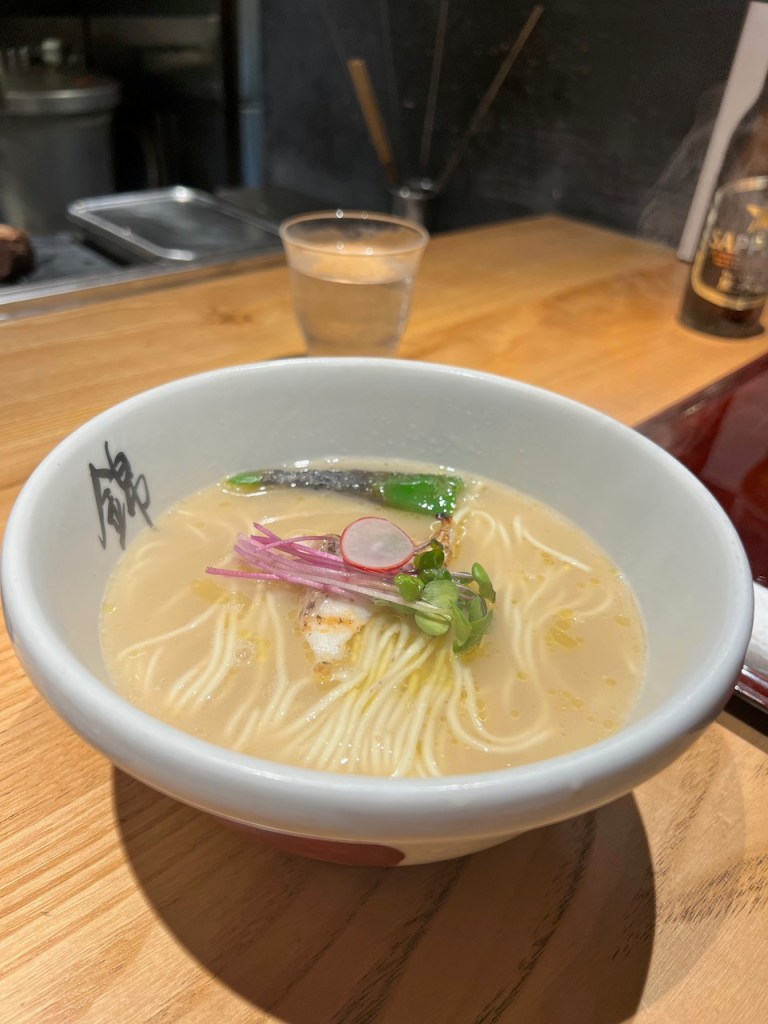
The chef was methodical in everything that he did, a true testament to Japanese culture and his trade. When making the ramen, he started by precisely cutting small shavings of meat or fish, searing it on his small charcoal grill. While the wagyu beef or fresh fish was searing, he warmed the noodles in hot water. When they were to temperature, he removed the noodles from the water, shook them off the exact same way every time, over and over again. SHAKE. SHAKE. SHAKE. shake, shake, shake, shake, shake, shake, shake. BIG LATERAL SHAKE. shake, shake. Like a drummer following a score, his beat was consistent, his rhythm steady, and his emphasis was on the exact same note each time. The noodles went into the bowl the same way each time, piled in the center, folded away and then back again, each noodle in its perfect position. The broth, warmed to the exact right temperature, flavored with truffle oil, filled with umami, and seasoned to perfection, was carefully poured over the noodles. Then, as our hungry eyes followed, it was topped with the perfectly sliced and seared meat. I’m fairly certain that rockets have flown to space and neurosurgery has been performed with less precision than this one man demonstrated while preparing a simple yet elegant bowl of noodle soup. (As I sit here writing this in Vietnam, my mouth still waters thinking about the ramen; it was really that good.)

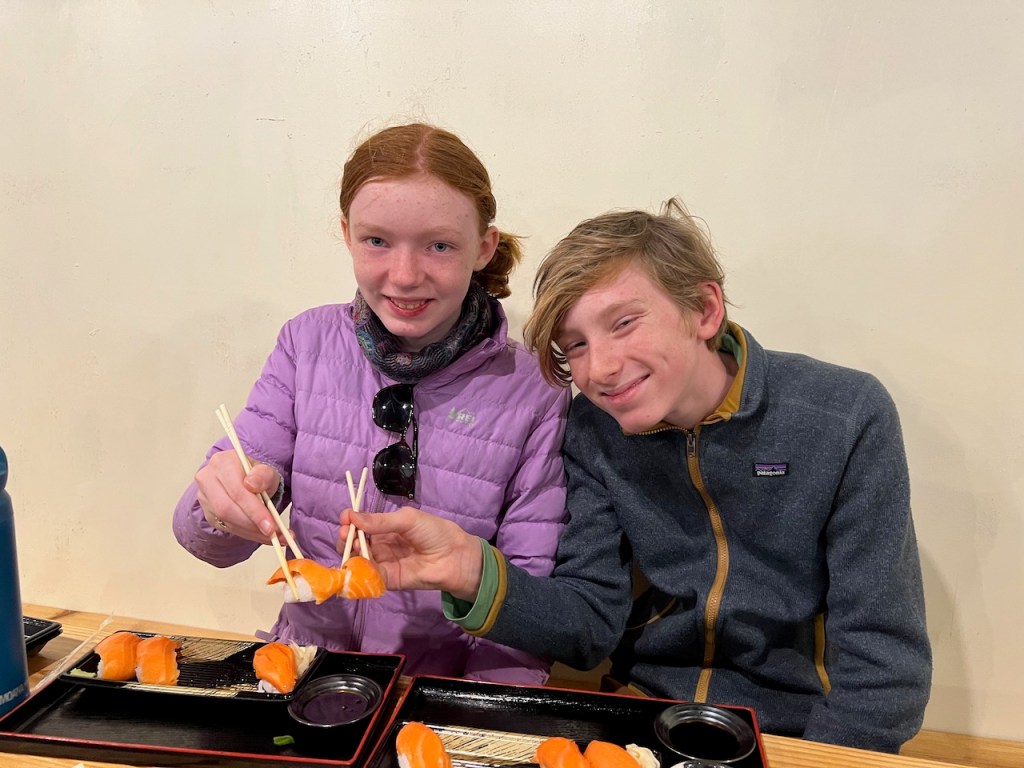
In Japanese food culture, the show and interaction with the chef is oftentimes an integral part of the experience. Just as we were face to face with the chef in the ramen restaurant, the sushi master at the famous Tokyo fish market restaurant Sushi Dai equally served us with precision and grace. We were honored to dine with one of the few female sushi chefs in Tokyo. As with the ramen, the sushi was made with expert precision. Each scoop of salty, vinegar flavored rice was hand molded into the perfect mouth-sized bite, topped with a smidgen of freshly grated wasabi. Then the finest fish you could ever imagine is perfectly sliced, and gently placed and molded to the rice. When it adds to the flavor, a spritz of lime juice is added or a piece of micro green finishes the artful bite, which is placed on the plate in front of you by the hands of a master. Bite after delightful bite is cut, molded and served with precision fit for watchmaking, but with the sole intention of serving a perfect meal showcasing the world’s finest seafood.
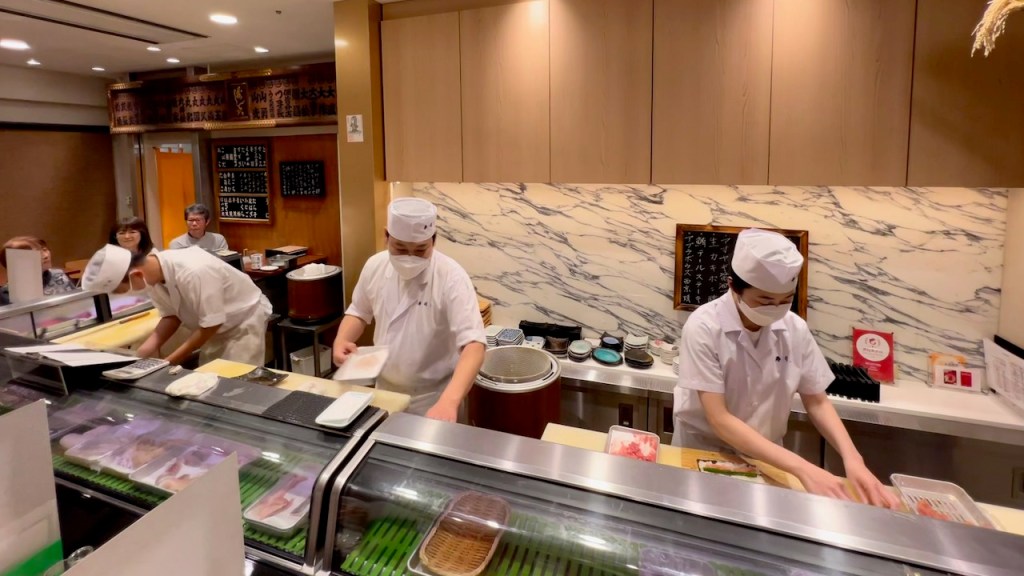
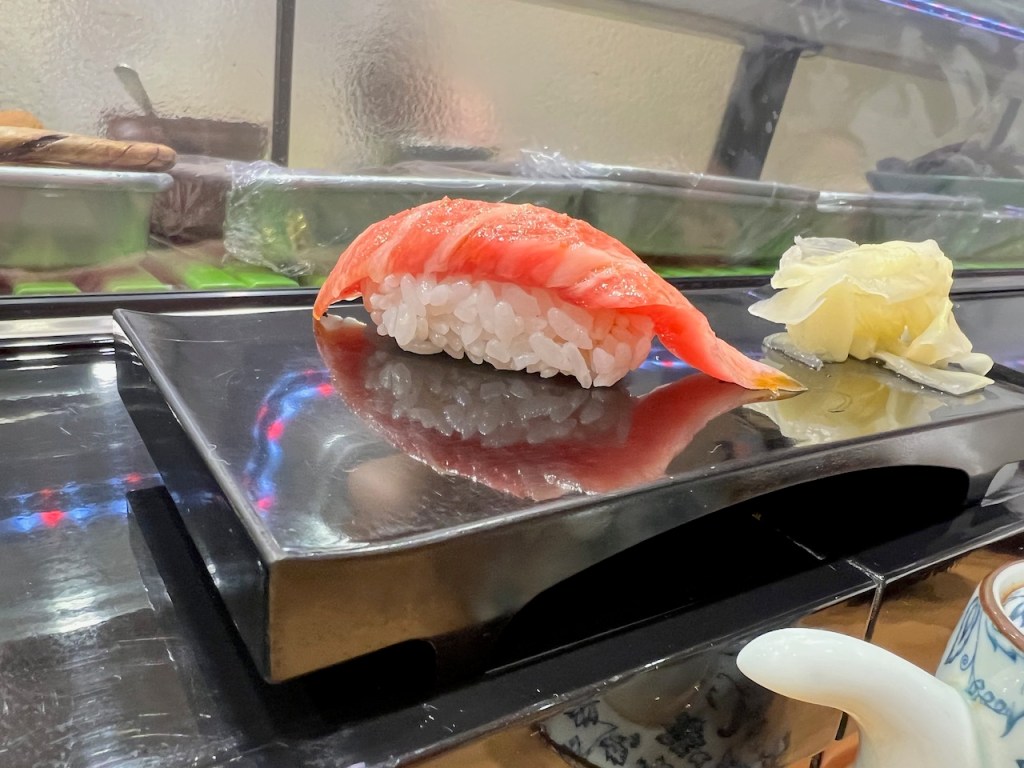
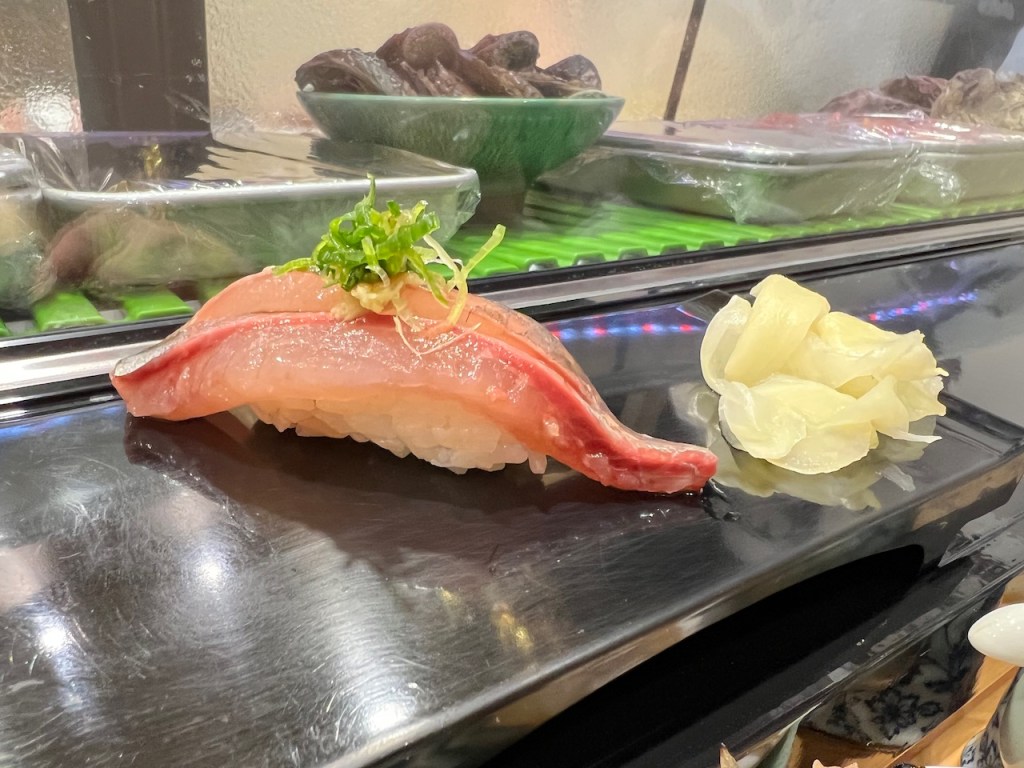
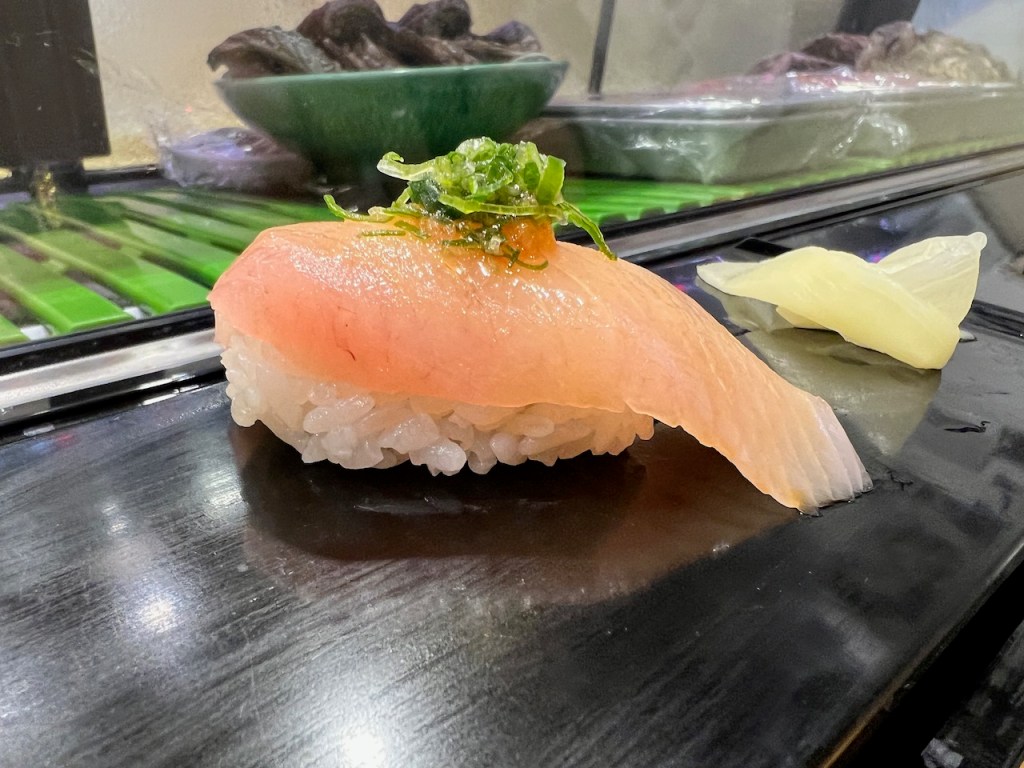

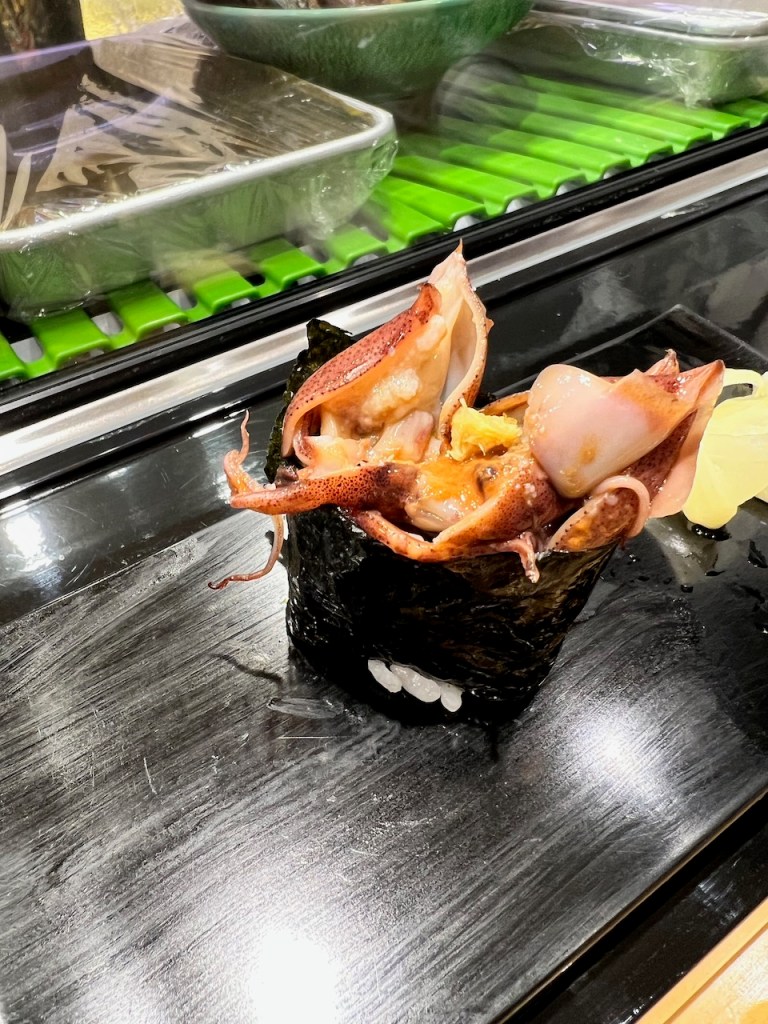
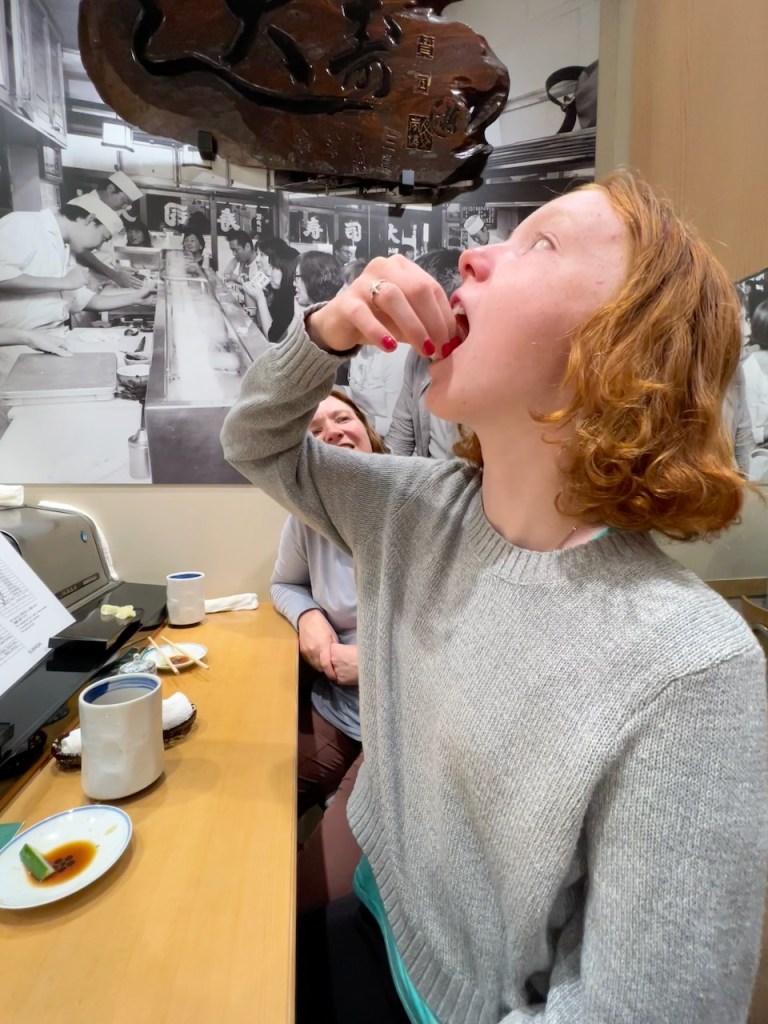

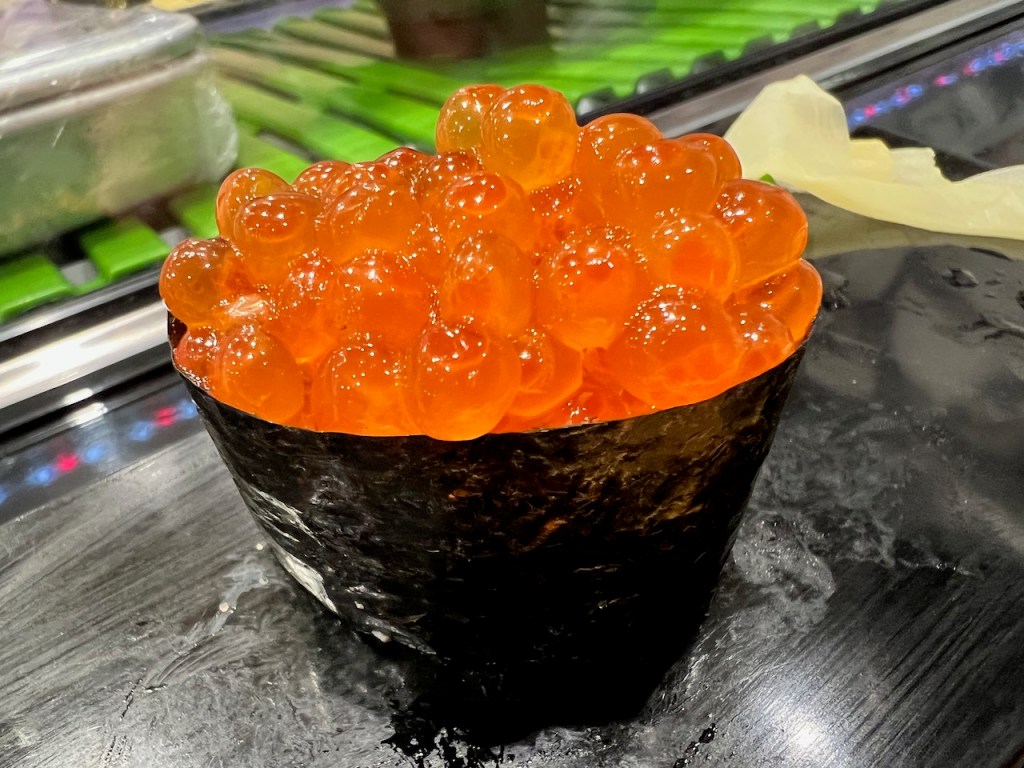
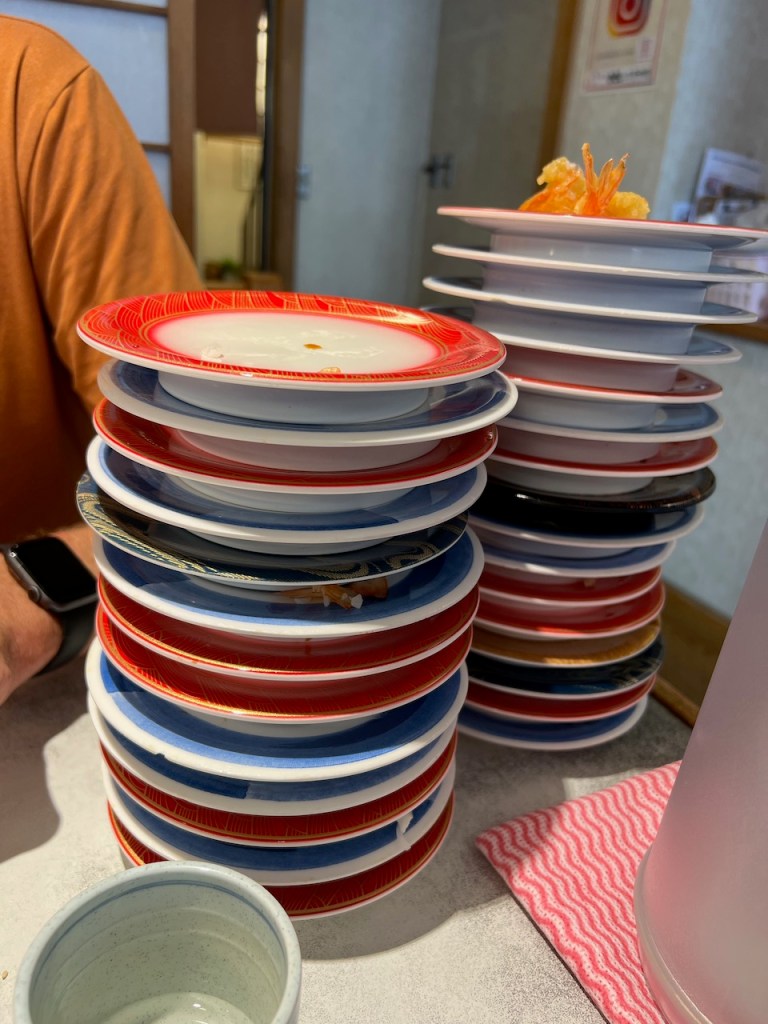
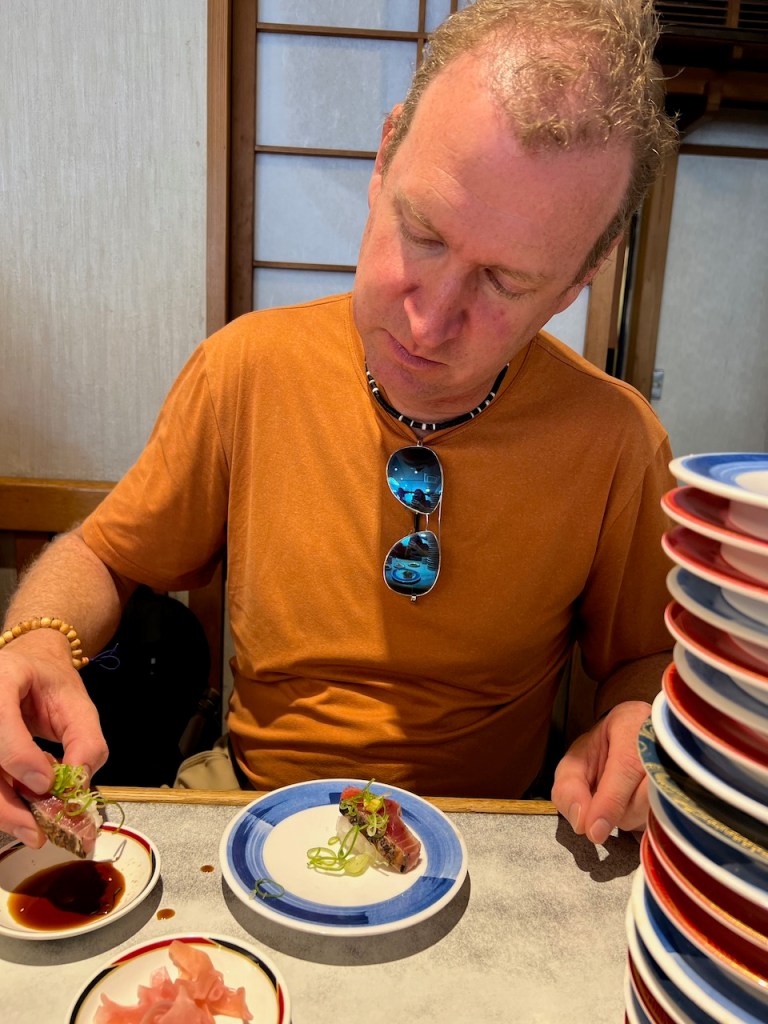
On another day, in Kyoto, we ate at the stereotypical conveyor belt sushi joint. It was so much fun to just grab whatever looked good. But a warning for parents of teenagers, they can rack up quite the bill as they meet their growing body’s needs by shoveling down rice and fish. We consumed over 40 plates (80 pieces) of sushi!



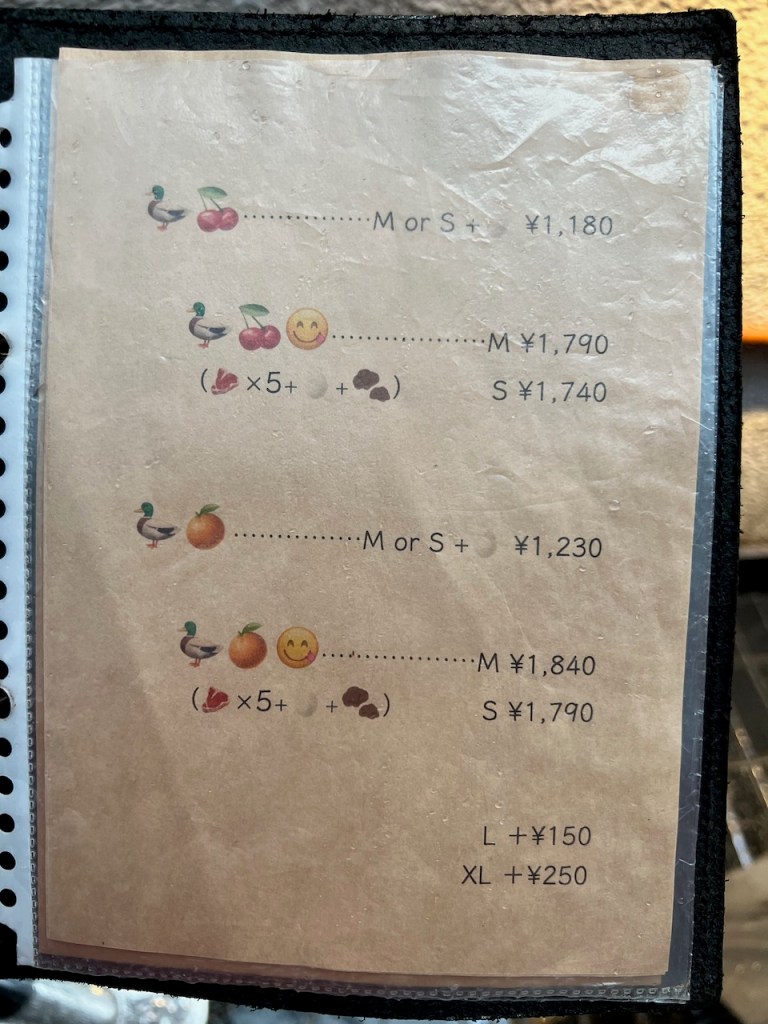
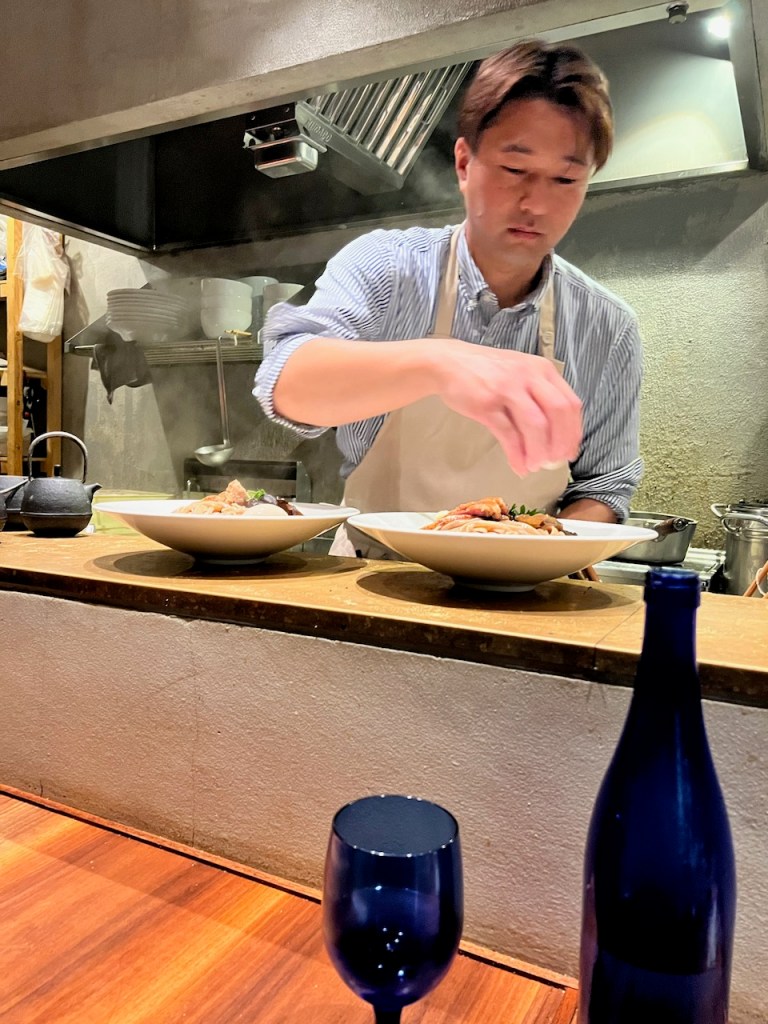
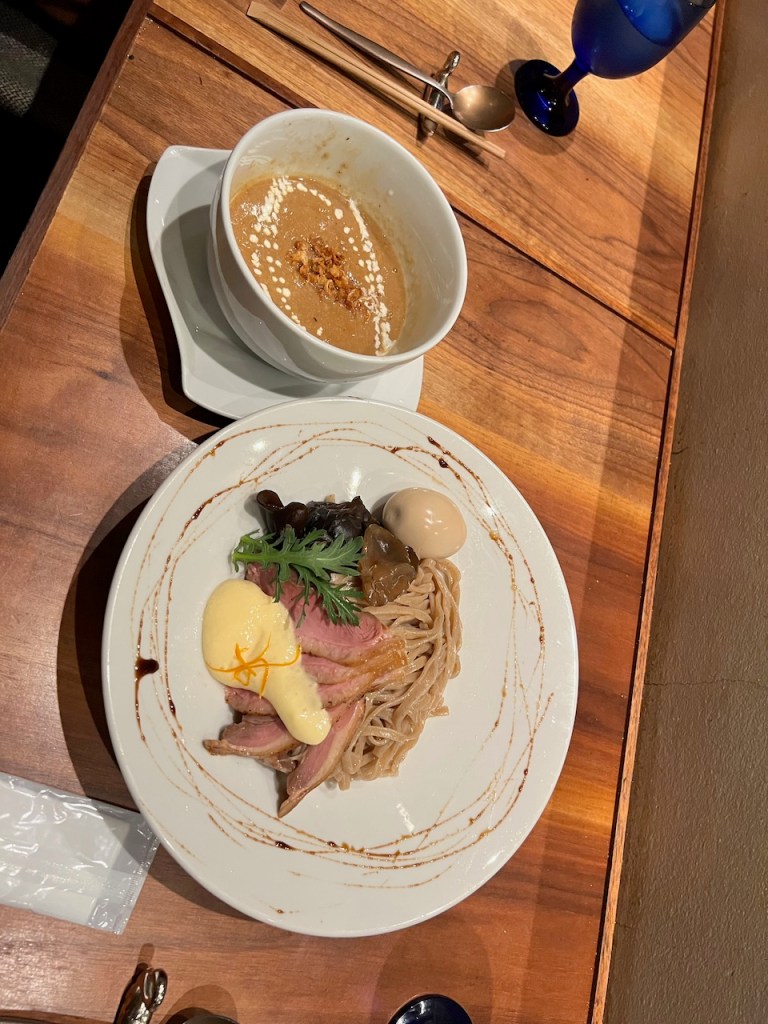
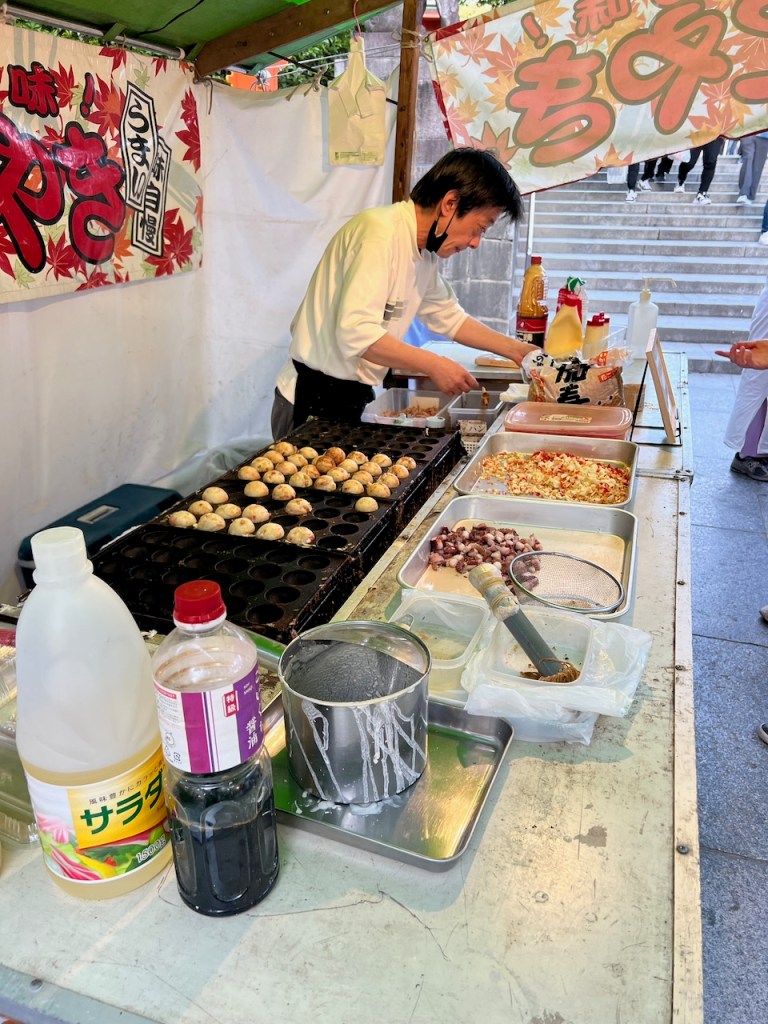
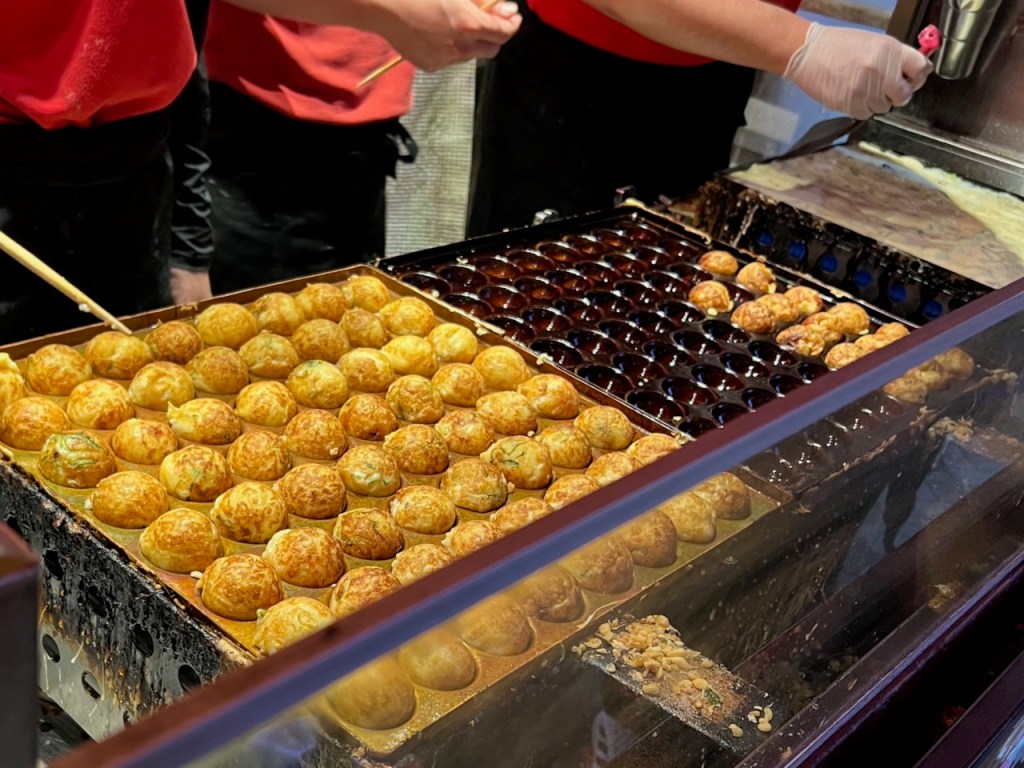
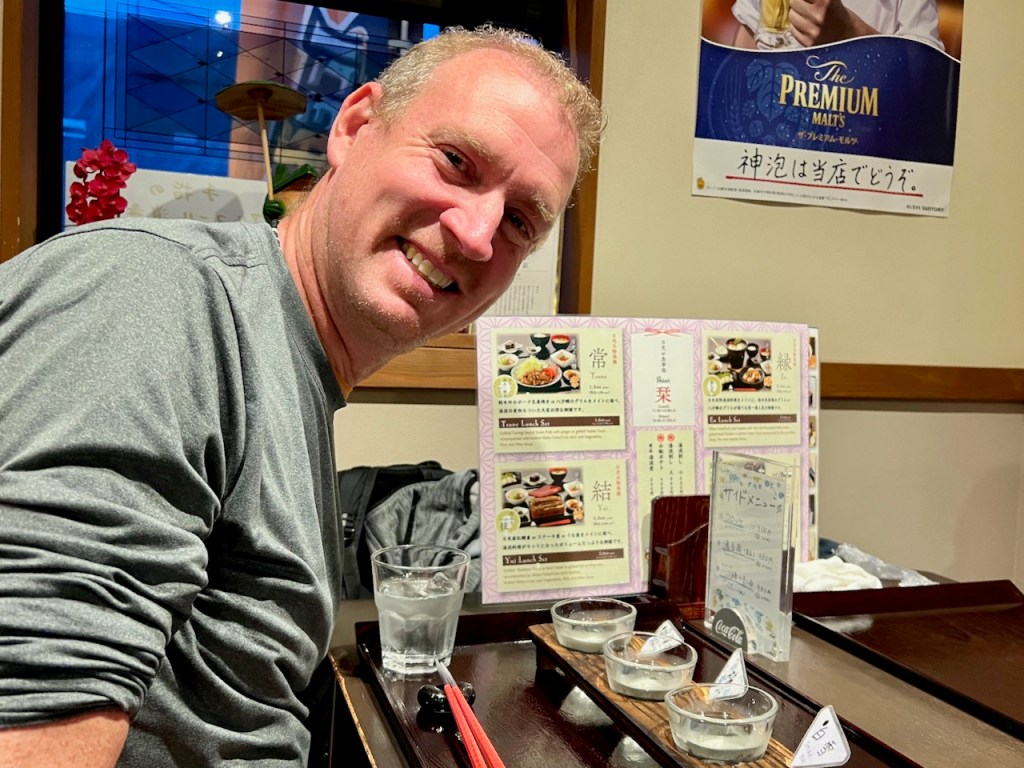
Finally and perhaps most importantly, what makes Japanese cuisine great is the pride they take in their food. Sure, you can still buy seaweed flavored Doritos, but the handcrafted food is easy to find and cheaper than the mass produced junk that fills the American grocery store. Maybe nothing showcases this pride more than another ramen restaurant we went to in Kyoto. This ramen joint specialized in duck ramen, and the owner and chef took so much pride in his work and made an extra effort to ensure that we were comfortable and satisfied with our meal. Like the other ramen restaurant, everything was made with precision and skill, and the flavors made our mouths happy with the belly-filling warmth of the soup and richness of the duck. The precision of the finely tuned restaurant didn’t prevent the staff from showing us warmth and acceptance. The staff personally explained the emoji menu to us to make sure we understood what we were ordering. The chef enquired about where we were from and how we found his back alley establishment. At the end of the meal, all four staff thanked us profusely for coming to their popular restaurant.



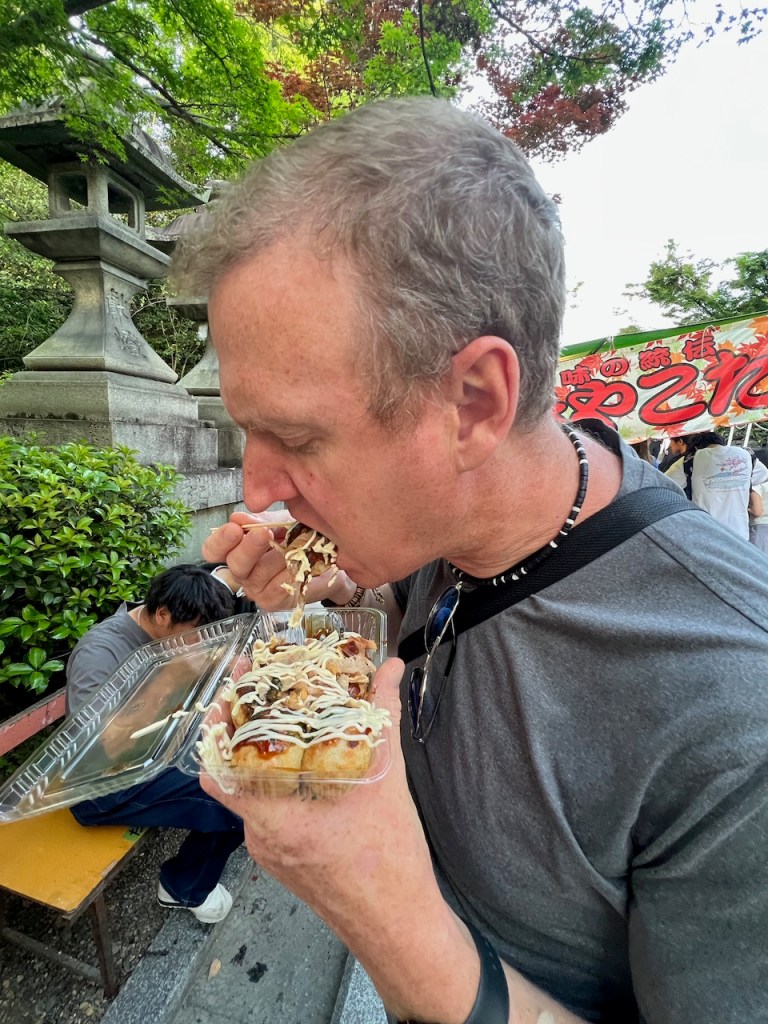
In Japan we found it reasonably easy and cheap to eat real handmade food, prepared with pride, because there is a food culture that values doing things well. We experienced food that was well made, with real ingredients, that tasted great, was served with pride, in an environment that was friendly and pleasing, at a cost that was reasonable. Even the convenience store food was obviously prepared and packaged with thought and care. Real food, affordable prices, pride in one’s work- what a novel concept.

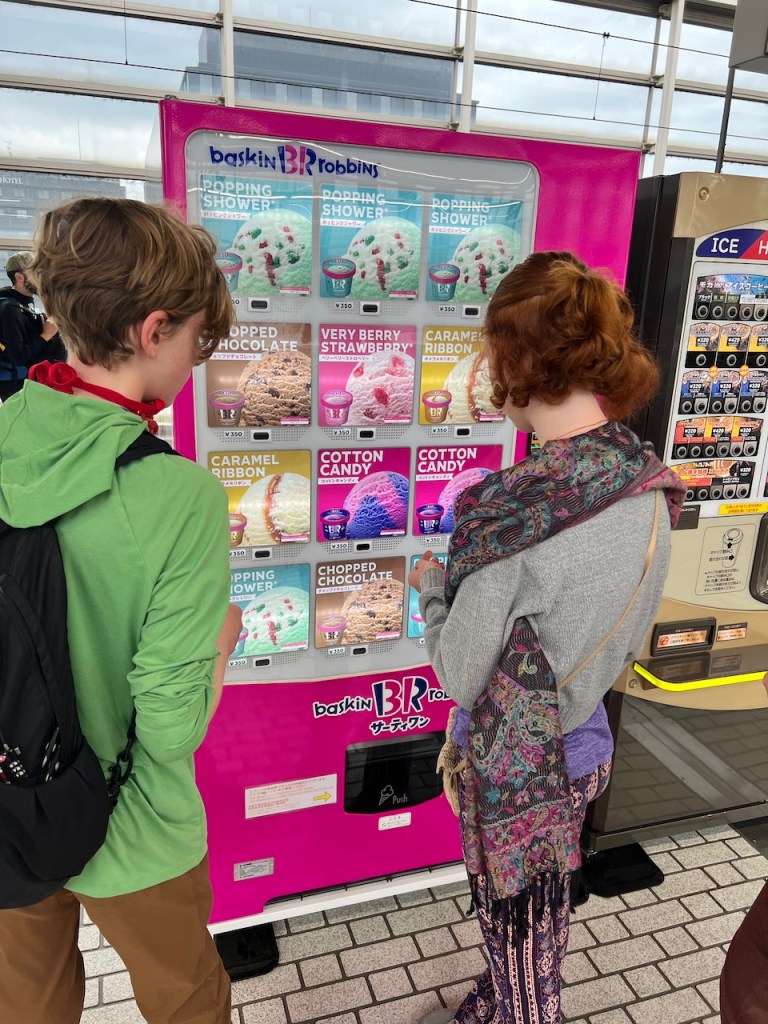
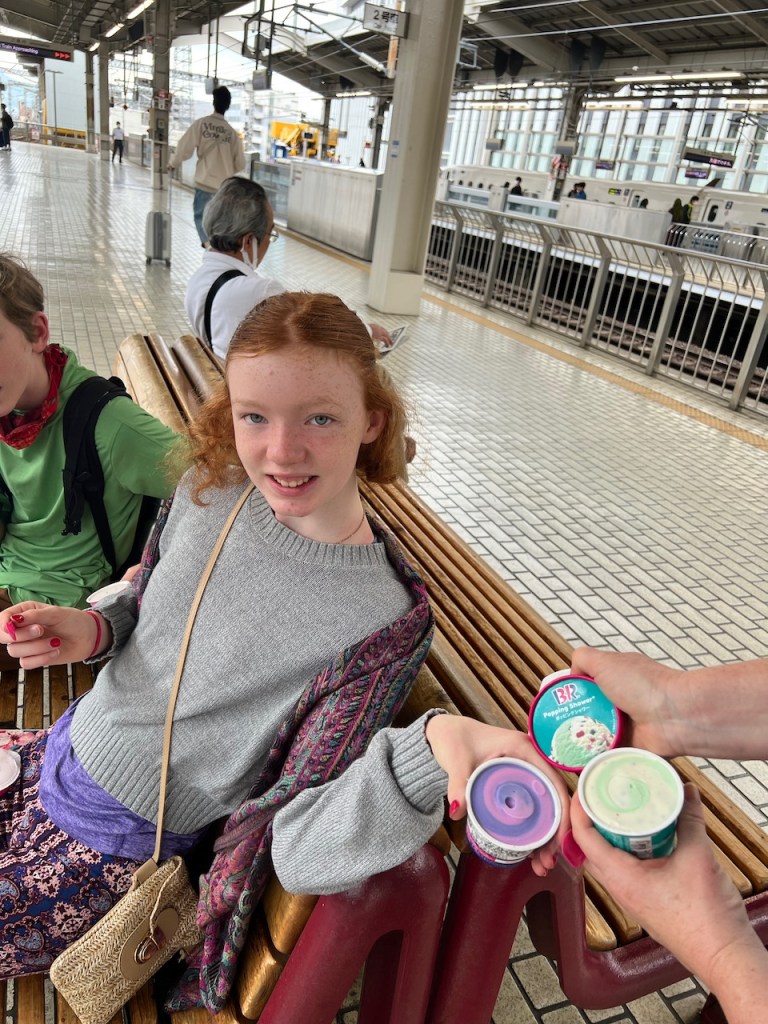
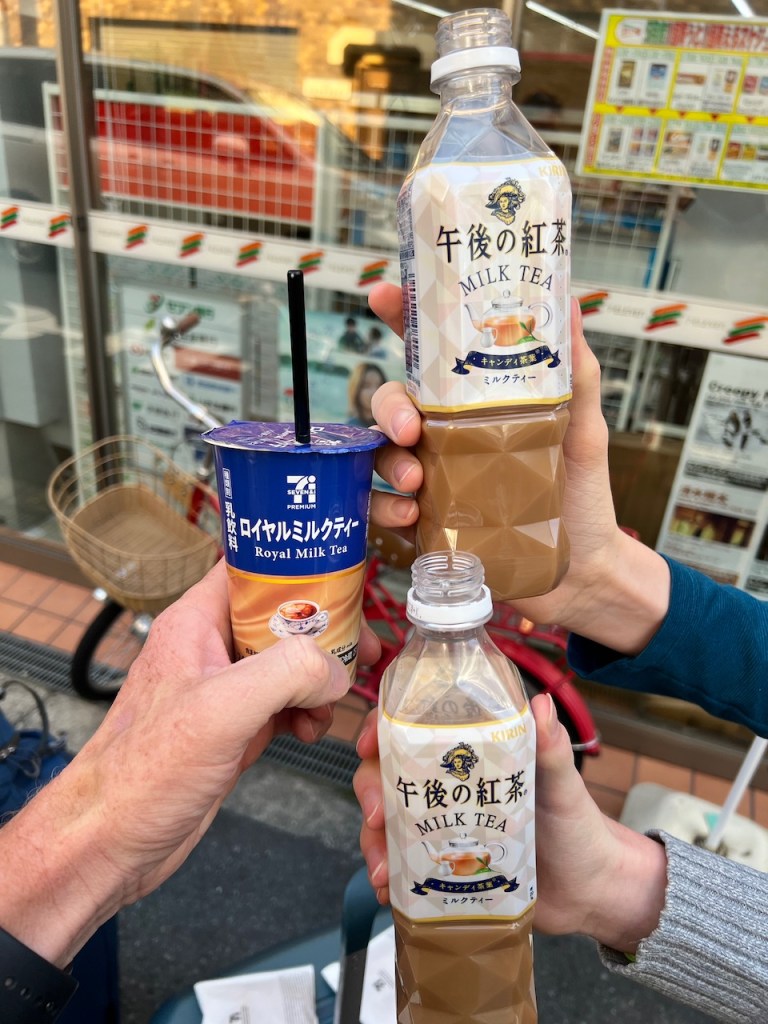

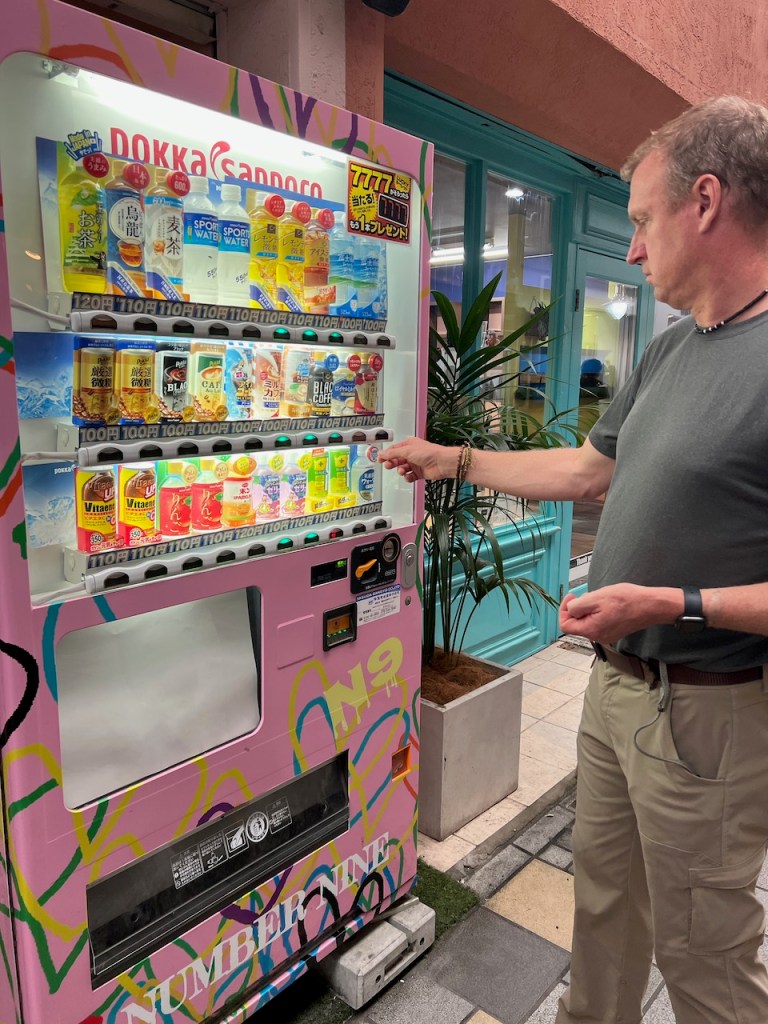
Some vending machines even serve it warm!
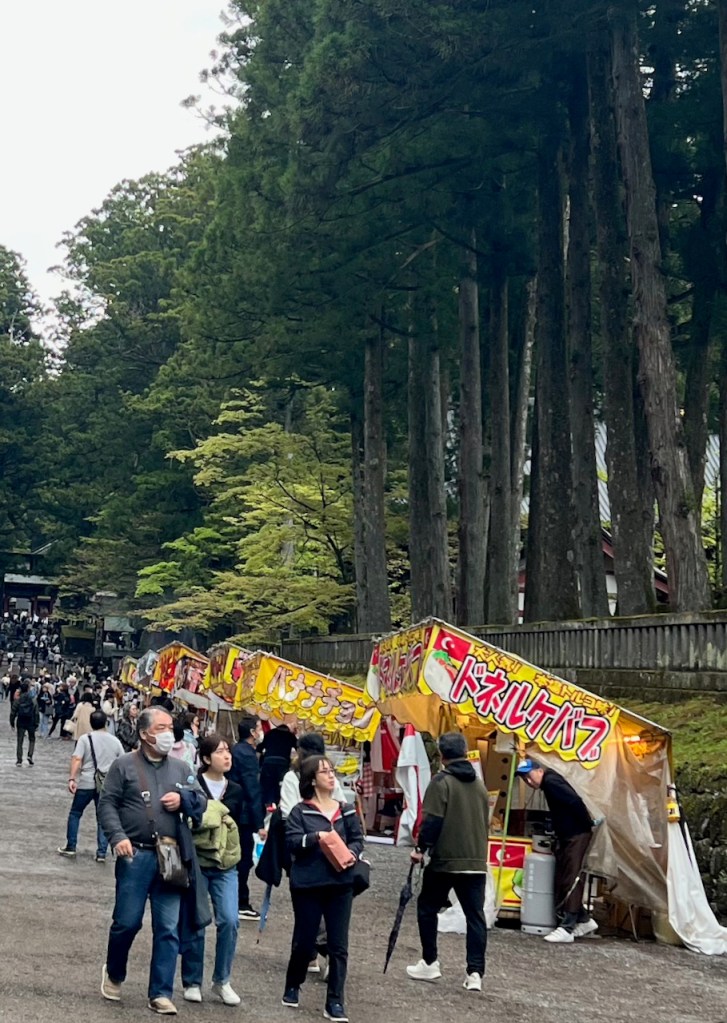
Thanks for reading to the end. Next up: Nikko, Japan! Don’t forget to check out our past stories and subscribe for future articles as well. Find us on Facebook and Instagram for bonus content! Please note that any links or business names provided are for information only, we did not receive any compensation for our opinions or recommendations. As always, if you are planning a trip to any location we visit we are happy to provide more details and opinions, so feel free to contact us!
 Vivid Travelers
3 responses to “Japanese Food”
Oh my, I did enjoy your food commentary.
I do remember lots of that, but we didn’t experience the 7-11 food.
But, wow, to place the Japanese food experience at the top of your list… very cool.
You’re making me want to go back.
☀️🌲💕🦋 Mom
LikeLiked by 1 person
Another fabulous post and now I
LikeLike
[…] I am so glad I did! Japan’s beauty can be found in its cities, architecture, people, and food, but it is also in the mountains, forests, and water. It was so nice to get out of the large […]
LikeLike